Thinking about your kitchen tiles in Montreal? They see a lot of action, from daily cooking spills to the occasional dropped pot. Over time, even the toughest tiles can start to look a bit tired or even get damaged. Knowing when it’s time for a refresh is key to keeping your kitchen looking good and functioning well. This guide will help you figure out if your kitchen tiles need a simple fix, a full upgrade, or if it’s time to rethink your whole backsplash.
Key Takeaways
- Kitchen tiles wear out from daily use, spills, and impacts, eventually needing attention.
- Look for cracked, chipped, loose, or stained tiles as clear signs replacement is needed.
- Upgrading is often better than repairing when damage is widespread or styles have drastically changed.
- Backsplash tiles can become dated or damaged, making replacement a good way to update the kitchen’s look.
- Choosing new tiles involves considering durability, style, maintenance, and how they fit with your overall kitchen design.
Kitchen Tile Montreal – Why Kitchen Tiles Wear Out Over Time

Even the most beautiful kitchen tile in Montreal isn’t built to last forever. Over time, the constant activity in a kitchen – think dropped pots, spilled liquids, and endless foot traffic – takes its toll. It’s just a fact of life for renovating kitchen floors in Quebec.
Several factors contribute to the wear and tear:
- Foot Traffic: Every step you take, every meal you prepare, adds microscopic scratches and dulls the finish. High-traffic areas, like the path from the fridge to the sink, will show wear faster.
- Moisture and Stains: Kitchens are prone to spills, from water and juice to oil and sauces. While many tiles are water-resistant, grout lines can absorb liquids, leading to discoloration and potential damage if not properly sealed.
- Impacts: Dropping a heavy pan or a glass can chip or crack tiles. Even smaller impacts over time can weaken the tile’s structure.
- Cleaning Products: Harsh chemicals in some cleaning agents can degrade the tile’s surface or grout over time, especially if used frequently.
- Temperature Fluctuations: While less common with modern tiles, extreme temperature changes can sometimes cause tiles to expand or contract, potentially leading to cracks or loosening.
The cumulative effect of these daily stresses means that even durable kitchen flooring options in Montreal will eventually show their age. It’s not a sign of poor quality, but rather a testament to how much life your kitchen has seen.
Understanding these common causes of wear helps in selecting the right materials for your next Laval & Montreal Home Renovation and knowing when maintenance is no longer enough.
Clear Signs It’s Time to Replace Your Kitchen Tiles
You know, sometimes your kitchen tiles just start to look a little sad. It’s not always a dramatic collapse, but more of a slow decline. If you’re finding yourself staring at your floors or backsplash and thinking, ‘Hmm, something’s not quite right here,’ it might be time for a change.
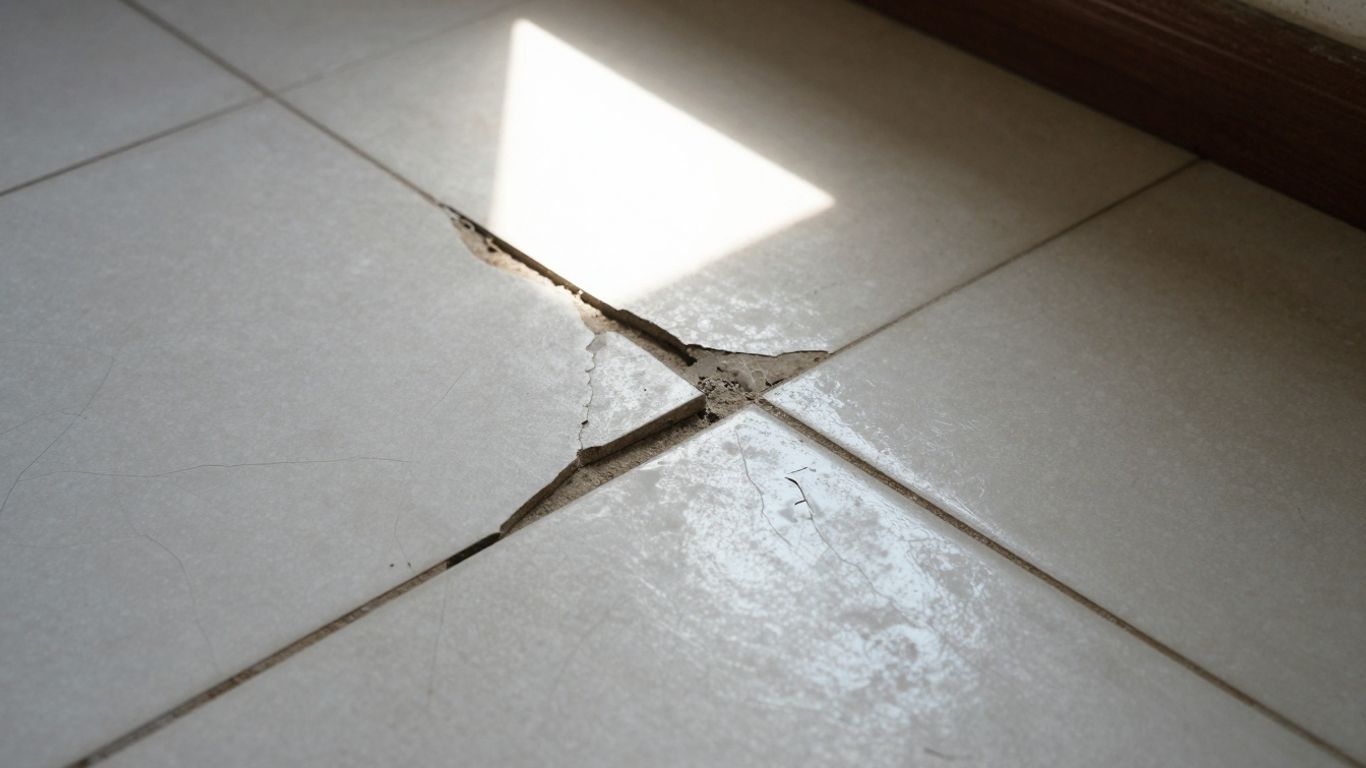
One of the most obvious indicators is when tiles start to crack or chip. Even a small crack can be a gateway for moisture and grime, leading to bigger problems down the line. You might also notice that the grout between your tiles is looking pretty rough. Is it stained beyond belief, crumbling, or just generally dingy? If cleaning it feels like a losing battle, that’s a pretty strong signal that replacement is in order.
Here are some specific things to look out for:
- Loose or Wobbly Tiles: If you can easily lift a tile or it shifts when you step on it, the adhesive has likely failed. This is not just an aesthetic issue; it can create tripping hazards and allow water to seep underneath.
- Persistent Stains and Discoloration: Some materials just can’t handle the daily grind of a kitchen. If your tiles are permanently stained from spills, cooking grease, or cleaning products, no amount of scrubbing will make them look new again.
- Uneven Surfaces: Beyond just loose tiles, you might notice your floor or backsplash has become uneven. This could be due to tiles lifting, grout issues, or even problems with the subfloor, all of which need attention.
- Outdated Style: While not a structural problem, a tile style that’s decades old can make your entire kitchen feel dated. If you’re planning to sell or just want a more modern feel, this is a good reason to upgrade.
Sometimes, the biggest clue isn’t a physical defect, but how you feel about your kitchen. If your tiles are actively making you unhappy or feel embarrassed when guests come over, that’s a sign they’re not serving you well anymore.
Don’t forget about the backsplash, too. It takes a lot of abuse from cooking splatters and grease. If yours is looking permanently grimy or has grout lines that are impossible to keep clean, it’s probably time to consider a fresh start. Replacing worn-out tiles isn’t just about looks; it’s about maintaining a clean, safe, and functional kitchen space.
When Upgrading Kitchen Tiles Is Better Than Repairing
Sometimes, you look at your kitchen tiles and think, ‘Can I just fix this one cracked tile?’ And sure, you might be able to patch up a small chip or replace a single broken tile. But honestly, when do you draw the line between a quick fix and a full-on upgrade? It often comes down to the extent of the damage and what you’re hoping to achieve with your kitchen.
If you’re seeing widespread issues like grout crumbling between many tiles, tiles that are loose or wobbly, or a general discoloration that paint just won’t cover, it’s probably time to think bigger than a simple repair. Trying to patch up too many spots can end up looking messy and might not even solve the underlying problem, like moisture getting under the tiles.
Here are a few situations where upgrading makes more sense:
- Widespread Damage: More than a few tiles are cracked, chipped, or loose. This suggests a larger issue with the subfloor or installation.
- Outdated Style: The current tiles are perfectly functional but just don’t fit your home’s aesthetic anymore. A new style can completely change the feel of your kitchen.
- Functional Limitations: The old tiles are hard to clean, stain easily, or don’t hold up well to daily use. Newer materials offer better performance.
- Preparing to Sell: If you’re thinking of putting your home on the market, updated kitchen tiles can be a significant selling point that outweighs the cost of a full replacement.
Think about it this way: you could spend time and money replacing a few tiles here and there, only to have another one break a few months later. Or, you could invest in a new tile floor that not only looks great but also lasts for years, potentially saving you hassle and money in the long run. Plus, a fresh tile upgrade can really make your kitchen feel brand new, which is a nice bonus for yourself and anyone who might buy your home down the line.
Sometimes, the cost and effort of repeated repairs add up to more than a one-time upgrade. It’s about looking at the bigger picture for your kitchen’s longevity and appeal.
Kitchen Backsplash Tiles Montreal – When Replacement Is Necessary
Your kitchen backsplash tiles in Montreal do more than just look pretty; they’re the first line of defense against splatters from cooking and spills from everyday life. Over time, even the most durable tiles can start to show their age, or maybe your style just needs a refresh. So, when does a backsplash cross the line from ‘charming character’ to ‘needs replacing’?
Several things can signal it’s time for a change. First off, look for cracks or chips. These aren’t just unsightly; they can create little hiding spots for bacteria and make cleaning a real chore. If you’re seeing a lot of grout that’s stained, crumbling, or even missing in spots, that’s another big clue. Grout can be sealed, sure, but if it’s beyond repair, it’s a sign the whole area might need attention. And let’s not forget about function – if your current backsplash isn’t doing its job anymore, meaning grease and grime are seeping through to the wall behind it, then replacement is definitely on the table.
Here are some common reasons you might need backsplash tile replacement:
- Visible Damage: Cracks, chips, or large missing pieces in the tiles.
- Persistent Stains: Stains that just won’t come out, no matter how much you scrub.
- Mold or Mildew: Especially if it’s deep within the grout or behind the tiles.
- Outdated Style: Your kitchen’s look has changed, and the backsplash just doesn’t fit anymore.
- Poor Installation: Tiles that are loose, uneven, or peeling away from the wall.
Sometimes, a full replacement of your kitchen backsplash tiles in Montreal is the way to go, especially if the damage is widespread or the style is completely out of sync with your kitchen’s current design. While repairing individual tiles or re-grouting can be a quick fix, it might not address underlying issues or give you the aesthetic upgrade you’re looking for. The cost of tile replacement in Montreal can vary, but often, a fresh start with new Kitchen Wall tiles Montreal offers a better long-term solution and a more significant visual impact than piecemeal repairs.
When considering backsplash tile replacement, think about the overall impact on your kitchen’s look and feel. A new backsplash can dramatically change the atmosphere of the room, making it feel more modern, clean, or personalized. It’s an opportunity to express your style and improve the functionality of a high-traffic area.
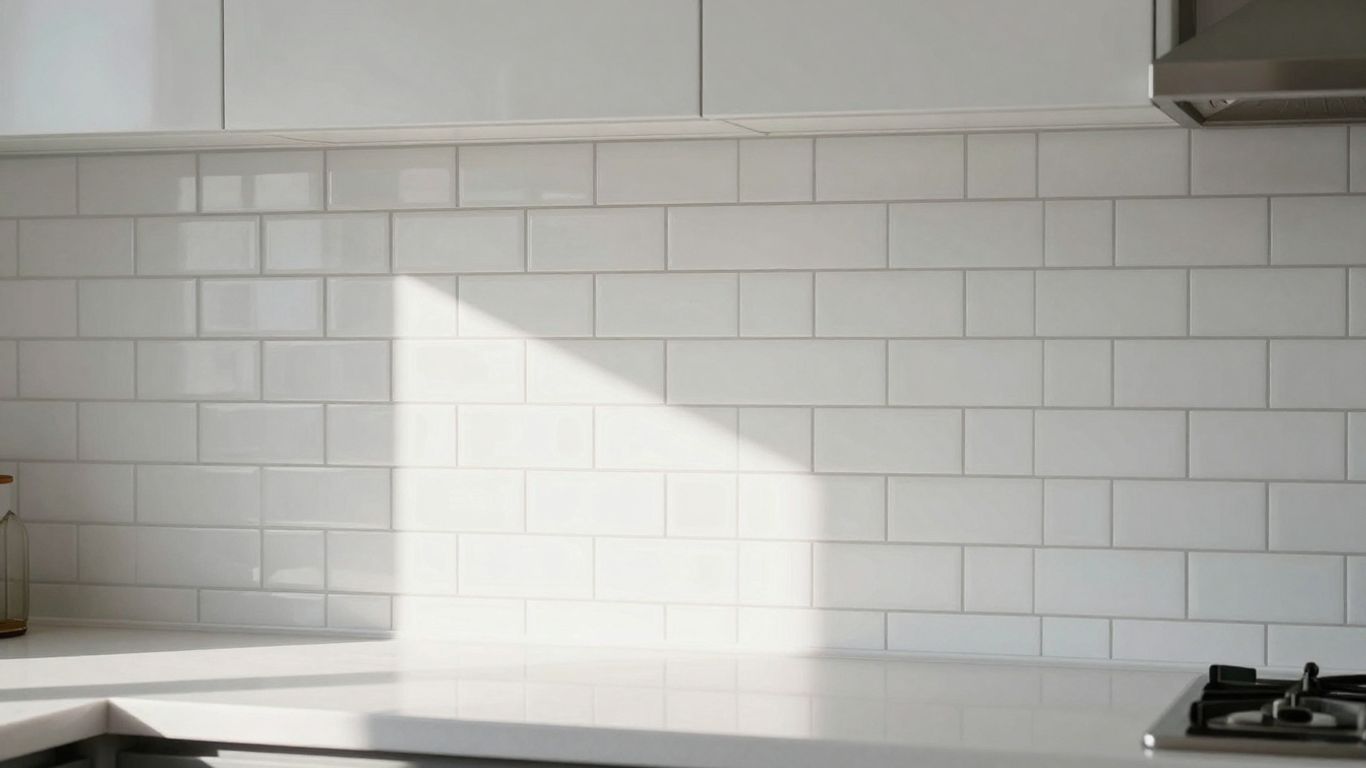
If you’re leaning towards a new look, exploring options for kitchen backsplash installation Montreal offers a wide range of materials and styles. From classic subway tiles to modern glass or natural stone, there’s something to suit every taste and budget. Don’t underestimate the power of a well-chosen backsplash to tie your entire kitchen design together.
Choosing the Right Tiles for Your Kitchen Upgrade

So, you’ve decided to give your kitchen a facelift with new tiles. That’s a smart move! But with so many options out there, picking the perfect ones can feel a bit overwhelming. Let’s break down some of the most popular choices to help you find what fits your style and needs.
The right tile can make all the difference in how your kitchen looks and functions.
When you’re looking at kitchen tile options, you’ll likely run into a few main categories:
- Porcelain kitchen tiles: These are a really solid choice for busy kitchens. They’re made from a denser clay fired at higher temperatures, making them super tough and practically waterproof. This means they hold up great against spills, stains, and heavy foot traffic. Plus, they come in a huge variety of looks, from mimicking natural stone to wood or even concrete.
- Ceramic kitchen tiles: Similar to porcelain, ceramic tiles are a classic for a reason. They’re durable, easy to clean, and come in countless colors and patterns. While generally a bit less dense than porcelain, they’re still a fantastic option for most kitchen floors and backsplashes. They’re often a bit more budget-friendly too.
- Natural stone kitchen tiles: For a touch of luxury and unique beauty, natural stone is hard to beat. Think granite, marble, slate, or travertine. Each piece is one-of-a-kind, bringing organic texture and color to your space. However, they can be more porous and might require sealing to prevent stains, especially in high-traffic areas like backsplashes. They can also be pricier.
Here’s a quick look at how these materials stack up:
| Tile Type | Durability | Water Resistance | Maintenance | Cost Range (per sq ft) |
|---|---|---|---|---|
| Porcelain | Very High | Excellent | Low | $3 – $20+ |
| Ceramic | High | Good | Low | $2 – $15+ |
| Natural Stone | High | Varies (needs sealing) | Medium | $5 – $100+ |
Think about how you use your kitchen. If you’re a serious cook who’s always splashing sauces or a parent with young kids, you’ll want something super durable and easy to wipe down. If your kitchen is more of a showpiece, you might lean towards something more decorative, even if it needs a little extra care.
Don’t forget about the grout! The color and type of grout you choose can really change the final look of your tiled area. Darker grout can hide stains better on backsplashes, while a contrasting grout can make a pattern pop. Consider epoxy grout for areas prone to spills, as it’s very stain-resistant and easy to clean.
How New Kitchen Tiles Improve Value and Function
Swapping out old, tired kitchen tiles for new ones is more than just a cosmetic fix; it’s a smart move that can really boost your home’s appeal and how well your kitchen works day-to-day. Think about it – the kitchen is often the heart of the home, and its appearance and usability matter a lot. New tiles can make a huge difference.
A fresh tile installation can significantly increase your home’s market value and make your kitchen a more enjoyable space to be in. It’s one of those upgrades that buyers notice and appreciate, and it makes a big difference for you while you’re living there too.
Here’s how new tiles contribute:
- Aesthetic Upgrade: New tiles can completely change the look and feel of your kitchen. Whether you go for a classic subway tile, a modern large format tile, or something with a bit more flair like a mosaic, the visual impact is immediate. This modernization makes the whole kitchen feel updated and more inviting.
- Improved Durability and Maintenance: Older tiles might be chipped, cracked, or have grout that’s seen better days. New tiles, especially modern porcelain or ceramic options, are often more durable and resistant to stains and moisture. This means less time spent scrubbing and worrying about spills, and more time enjoying your kitchen.
- Enhanced Functionality: The right tile choice can improve the kitchen’s practical side. For example, choosing tiles with a bit of texture can make floors less slippery. For backsplashes, easy-to-clean surfaces are a lifesaver, protecting your walls from cooking splatters.
- Increased Home Value: When it comes time to sell, a kitchen with updated features, including attractive and well-maintained tile work, is a major selling point. It signals to potential buyers that the home has been cared for and doesn’t require immediate renovation.
Choosing the right tiles involves balancing looks with practicality. Consider how the tiles will hold up to daily use, how easy they are to clean, and how they fit with your overall kitchen design. It’s about making a choice that looks good now and continues to serve you well for years to come.
For instance, consider the potential return on investment. While the upfront cost varies, the long-term benefits in terms of home value and daily convenience are substantial. It’s an investment in both your current lifestyle and your property’s future.
Professional Tile Replacement vs DIY Installation
So, you’ve decided it’s time for new kitchen tiles. That’s great! Now comes the big question: should you tackle it yourself or hire some pros? It’s a common dilemma, and honestly, there’s no single right answer. It really depends on your comfort level with home projects, the complexity of the job, and how much time you’ve got.
For smaller, simpler tile jobs, a DIY approach might be totally doable. Think about replacing a few cracked tiles in a small area or maybe just updating a simple backsplash. You can find tons of tutorials online that break down the steps. Plus, doing it yourself can definitely save you some money on labor costs. You’ll need to get the right tools, of course, and be prepared for a bit of a learning curve. It’s not always as easy as it looks on TV!
Here are a few things to consider when weighing your options:
- Skill Level: Are you comfortable with measuring, cutting, and precise placement? Do you have experience with tile adhesive and grout?
- Time Commitment: DIY projects often take longer than you expect, especially if you’re learning as you go. Professionals can usually complete the job much faster.
- Tools and Equipment: You’ll need specific tools like tile cutters, trowels, and possibly a wet saw. Renting or buying these can add to the DIY cost.
- Project Scope: A large floor area or a complex backsplash pattern will be significantly more challenging than a small, straightforward repair.
When you start looking at the overall cost, remember to factor in everything. Sometimes, the cost of tools and potential mistakes can make DIY less of a bargain than you initially thought. For bigger projects or if you want a flawless finish, bringing in experienced contractors is often the smarter move. They have the know-how and the right equipment to get the job done efficiently and correctly, saving you stress and potential headaches down the line. Plus, they can often source materials at better prices than what’s available to the general public.
Deciding between DIY and professional installation comes down to a realistic assessment of your skills, available time, and the project’s complexity. While DIY can save money, professional installation offers speed, precision, and peace of mind, especially for larger or more intricate jobs.
Planning Your Kitchen Tile Replacement Project
So, you’ve decided it’s time to give your kitchen tiles a facelift. That’s great! But before you start ripping out old tiles or ordering new ones, a little planning goes a long way. Think of it like prepping for a big meal – you wouldn’t just throw ingredients in a pot, right? Same goes for your kitchen tile project.
First off, figure out your budget. This isn’t the most exciting part, but it’s super important. How much are you willing to spend on new tiles, materials, and maybe even professional help? Knowing this upfront stops you from falling in love with something way out of reach.
Next, consider the timing. When is the best time to retile your kitchen? Generally, avoiding holidays or big family gatherings is smart. You don’t want to be stuck with a messy kitchen when guests are expected. Spring or early fall often works well, giving you decent weather for any work that might need to happen outside, like disposing of old materials.
Here’s a quick checklist to get you started:
- Define your scope: Are you just replacing the floor, or are you doing the backsplash too? Maybe even the countertops?
- Set a budget: Be realistic about costs for materials, labor, and unexpected extras.
- Choose your materials: Research tile types, colors, and durability. Think about how they’ll look and feel.
- Find a contractor (if needed): Get quotes from a few different Kitchen Renovation services if you’re not doing it yourself.
- Schedule the work: Pick a time that minimizes disruption to your daily life.
Don’t forget about the practical stuff like underlayment, grout, and sealants. These small details can make a big difference in the final look and how long your new tiles last. Skipping these steps is like building a house without a solid foundation – it just won’t hold up.
Finally, think about who’s doing the work. Are you a DIY whiz, or would you rather leave it to the pros? If you’re hiring someone, get references and check their past work. A well-planned project is a happy project, and it leads to a kitchen you’ll love for years to come.
Conclusion
So, you’ve been thinking about your kitchen tiles, weighing whether it’s time for a full replacement or just a simple upgrade. It’s a big decision, for sure. You’ve looked at the signs – the cracks, the stains that just won’t budge, maybe even tiles that are starting to feel loose underfoot. These aren’t just cosmetic issues; they can affect how your kitchen functions and even lead to bigger problems down the line if left unchecked.
When you’re deciding between fixing what you have or going for something new, think about the long game. Sometimes, a few cracked tiles can be replaced, but if the whole floor is looking tired, or if you’re aiming for a completely different look that matches new trends – like those warmer, natural tones that are popular in Montreal right now – then a full upgrade makes more sense. It’s about more than just looks; it’s about creating a space that feels right for you and works for your life.
Replacing or upgrading your kitchen tiles is a significant project, but it’s also a chance to really transform the heart of your home. It’s an investment that pays off in both daily enjoyment and potential resale value.
Here’s a quick rundown of what to keep in mind:
- Assess the Damage: Really look at what’s wrong. Is it just a few tiles, or is the whole area showing wear?
- Consider Your Goals: Are you looking for a minor refresh or a major style overhaul?
- Budget Realistically: Factor in materials, labor, and any unexpected costs.
- Think About Trends (but don’t be a slave to them): What looks good now might not in a few years, but timeless choices are always a safe bet.
Ultimately, whether you’re patching up a few spots or installing a whole new kitchen tile floor, the goal is to create a space that’s both beautiful and practical. Making informed choices about your tiles can truly shape how your kitchen looks, feels, and functions every day. Don’t rush the process—take time to plan and choose wisely. And if you’d like to see the quality of our work and hear from satisfied clients, check out our reviews to feel confident in your decision. Your kitchen will thank you for it.
In conclusion, we’ve covered the key aspects of our services. If you’re ready to start your next project or have questions, don’t hesitate to reach out. Visit our website today to learn more and get a free quote!
Frequently Asked Questions
How do I know if my kitchen tiles need replacing?
Look for obvious signs like cracked or chipped tiles, loose tiles that move when you step on them, or grout that’s crumbling and stained. If water has seeped underneath, causing tiles to lift or the subfloor to rot, it’s definitely time for a change.
What is the best type of kitchen tile in Montreal?
Porcelain and ceramic tiles are the most popular choices in Montreal kitchens. They handle temperature changes well, resist moisture, and are easy to clean. Porcelain tiles are especially durable, making them ideal for high-traffic kitchens.
Can I just repair my kitchen tiles instead of replacing them all?
Sometimes, a simple repair works for a small crack or a single loose tile. But if many tiles are damaged, or if the damage is widespread, replacing them all is often more cost-effective and gives you a much better, updated look. Plus, it’s a chance to pick a fresh style!
What are the best tile materials for a Montreal kitchen?
For durability and water resistance, porcelain and ceramic tiles are excellent choices. They handle spills and moisture well, which is great for busy kitchens. Luxury Vinyl Tile (LVT) is also popular because it looks like wood or stone but is very water-resistant and easier on the wallet.
How do kitchen tiles wear out over time?
Kitchen tiles face a lot of daily action! Foot traffic can cause them to dull or chip. Spills, especially acidic ones like from lemon juice or wine, can stain the tiles or grout if not cleaned quickly. Constant exposure to moisture, particularly around sinks and dishwashers, can also weaken the grout and even the tiles themselves.
Are there specific signs that my kitchen backsplash tiles need replacing?
Yes, similar to floor tiles, check for cracks, chips, or loose tiles on your backsplash. Stains that won’t come off, or grout that’s falling apart, are also clear indicators. If the backsplash is no longer protecting your wall from cooking splatters, it’s time for an upgrade.
What’s the difference between upgrading and just replacing tiles?
Replacing means swapping out old tiles for new ones, often of the same type or size. Upgrading means you’re not just replacing them, but choosing better, more stylish, or more functional tiles. It’s an opportunity to improve the look and performance of your kitchen, like choosing a more durable material or a trendier design.
How do new kitchen tiles add value to my home?
Updated kitchen tiles make your kitchen look more modern and attractive, which buyers notice. They can improve the overall feel and functionality of the space. A stylish and well-maintained tile floor or backsplash can be a significant selling point and potentially increase your home’s market value.
Should I hire a professional for tile replacement or do it myself?
For simple repairs or small areas, DIY might be an option if you’re handy. However, for a full kitchen tile replacement, hiring a professional is usually recommended. They have the tools, experience, and skills to ensure the job is done correctly, efficiently, and looks great, preventing potential problems down the line.