
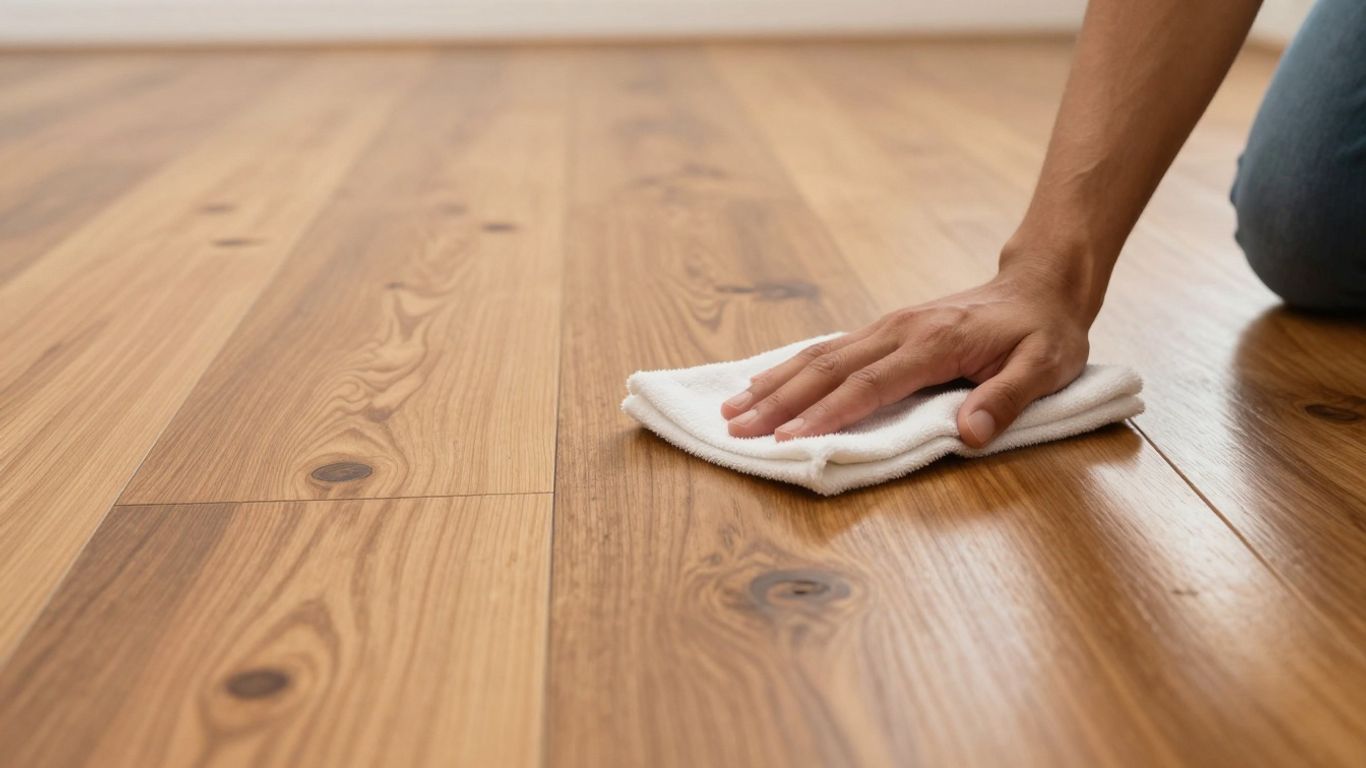
New floors look great on installation day — that part’s easy. What actually determines whether they still look great five or ten years later is what happens after we leave. I’ve installed a lot of flooring across Montreal and Laval since 2013, and the calls I get back are rarely about the material failing. They’re almost always about maintenance habits that quietly wore the floor down faster than it should have.
Why Montreal Flooring Contractors Keep Coming Back to Maintenance
Ask most Montreal flooring contractors what actually protects a floor long-term, and it’s not the installation — it’s what the homeowner does in the years after. Without regular care, even durable materials — hardwood, laminate, tile — start looking worn well before their time. A few concrete reasons this matters:
- Appearance — regular cleaning stops dirt and grit from scratching the surface and dulling the finish
- Lifespan — small, consistent habits delay the need for refinishing or replacement by years
- Resale value — well-maintained floors are something buyers actually notice
- Damage prevention — catching spills quickly avoids staining, warping, or finish damage before it sets in
This matters even more in basements, where moisture is a constant factor, and in commercial spaces, where high foot traffic wears surfaces down faster than any residential setting.
Daily Habits That Actually Make a Difference
Floor care doesn’t need to be complicated — it needs to be consistent. What we recommend to every client after installation:
- Sweep or vacuum daily, using a soft-bristle broom or a vacuum without a beater bar, which can chew up wood finishes
- Wipe up spills immediately, especially in kitchens and bathrooms where moisture sits longest
- Use doormats at every entrance to catch dirt and moisture before it ever reaches the floor
A quick daily routine consistently beats an infrequent deep clean — small habits prevent the kind of buildup that actually damages a finish. For weekly cleaning, a mop that’s just barely damp — not wet — is right for most flooring types, and especially important for hardwood.
Protecting Hardwood Specifically
Hardwood is the material we field the most maintenance questions about, and moisture management is the single biggest factor in how long it lasts:
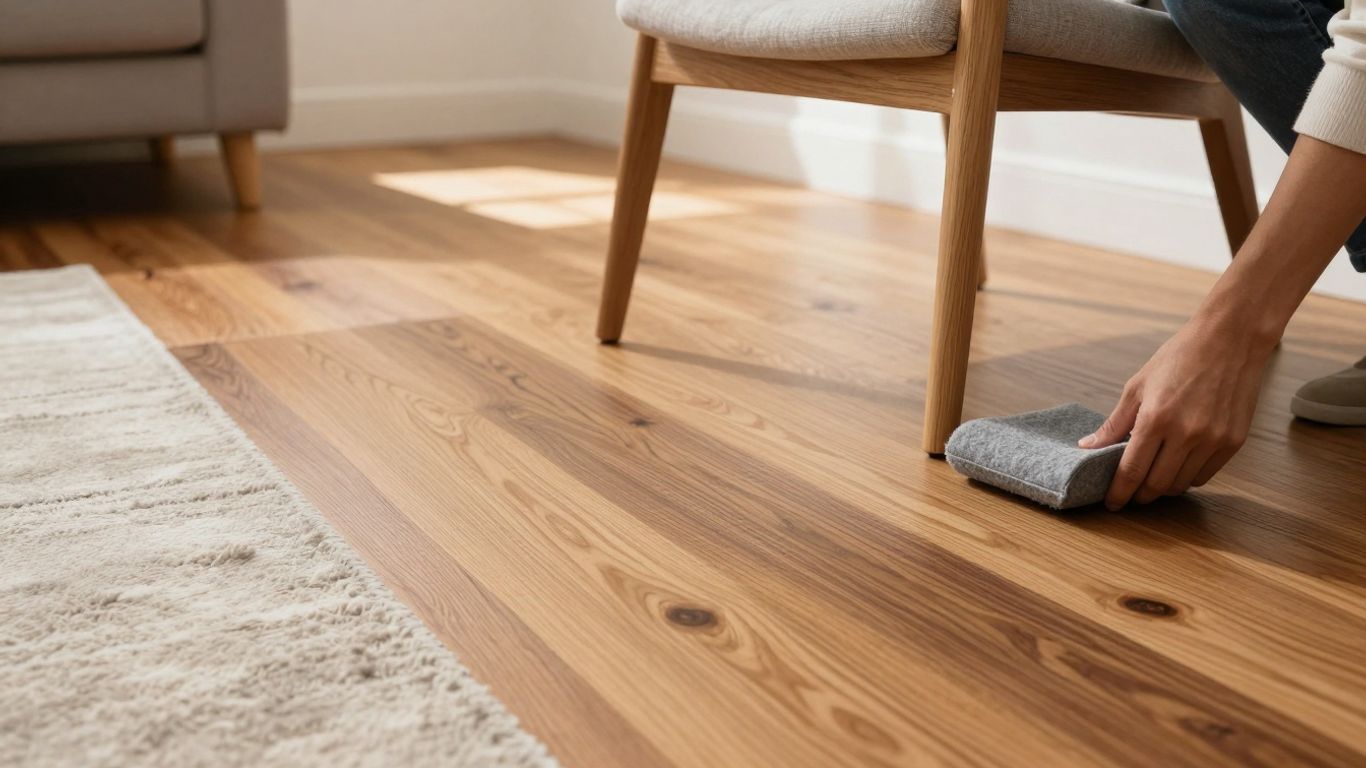
- Protective mats and felt pads — mats at entrances catch dirt and moisture from shoes; felt pads under furniture legs prevent scratches and dents from everyday movement
- Humidity control — aim for 35–55% relative humidity year-round; a humidifier in dry winters and a dehumidifier in humid summers keeps wood from expanding, contracting, or gapping
- The right cleaning products — stick to cleaners made specifically for hardwood; harsh or abrasive products strip the finish over time, and a pH-neutral, barely-damp mop is usually all you need
The upfront cost of hardwood is real, and proper care is what protects that investment — it’s genuinely cheaper to maintain well than to refinish early.
Seasonal Care in Montreal’s Climate
Quebec’s seasons each bring their own demands:
Winter. Salt and moisture tracked in from outside are hard on finishes if left to sit — mats at every entrance and prompt cleanup matter most this time of year. A deep clean before winter really sets in helps too.
Spring and summer. General upkeep — regular sweeping and mopping — keeps dust from building up. If you have an outdoor deck, this is the season to clean and reseal it against sun and rain exposure.
Fall. A thorough clean and a check for any minor scratches or dents from summer use, addressed before winter adds more stress to the floor.
Mistakes We See Most Often
The floors that age fastest usually share a few habits in common:
- Wrong cleaning products — a cleaner that works fine on a kitchen counter can be too harsh for hardwood or laminate, stripping finish over time
- Missing felt pads — dragging furniture without them is one of the most common causes of scratches and dents we see
- Skipping manufacturer care instructions — every flooring type has specific requirements, and skipping them tends to show up as premature wear
- Over-wetting during cleaning — excess water seeping into seams causes swelling or warping, particularly in wood and laminate
- Letting spills sit — even a short delay can be enough for staining or finish damage to set in
When It’s Time to Call a Professional
Regular care handles most of it, but a few signs mean it’s worth bringing in a contractor rather than trying to fix it yourself:
- Deep scratches or gouges that go beyond what buffing can address
- Warping or buckling, almost always a moisture issue that gets worse if ignored
- Loose or squeaky boards beyond an occasional minor creak, which can point to a structural issue underneath
- Fading or uneven discoloration from sun exposure or wear
- Stains that won’t lift with standard cleaning, especially on porous materials
Catching these early is significantly cheaper than waiting until a full refinish or replacement is the only option. Some larger repair or refinishing jobs also require permits depending on scope, so it’s worth checking with your contractor or the city if you’re unsure.
Extending Hardwood’s Lifespan Further
A few extra habits worth building in beyond the basics: keep pet nails trimmed, since long nails scratch finishes even with careful pets; use area rugs in high-traffic spots like hallways and in front of sinks for an extra layer of protection; and stay consistent with humidity control year-round rather than only during extreme weather.
Frequently Asked Questions
How often should I clean my floors?
Daily sweeping or vacuuming for dust and debris, with a weekly damp-mop clean for most flooring types — always check the manufacturer’s specific recommendations for your material.
What’s the best way to clean hardwood floors?
Regular sweeping to remove grit, followed by a barely-damp mop with a hardwood-specific, pH-neutral cleaner. Excess water is the biggest risk to avoid.
How do I prevent scratches on my floors?
Felt pads under furniture legs, doormats at entrances, and area rugs in high-traffic areas are the three habits that make the biggest difference.
When should I call a professional flooring contractor?
Deep scratches, warping, persistent squeaking, or stains that won’t lift with normal cleaning are all good reasons to bring in a professional rather than keep treating it yourself.
Is humidity really a big deal for floors?
Yes, especially for hardwood — too much moisture causes swelling and warping, too little causes shrinking and cracking. Keeping humidity between 35–55% year-round prevents both.
Should I clean up spills right away?
Always, particularly on wood or laminate. A delay of even a few hours can be enough for staining or finish damage to set in.
Need a Professional Opinion?
If you’re noticing warping, persistent squeaks, or damage that’s beyond a simple cleanup, our team at SKLZ Construction offers free inspections to help you catch small issues before they become expensive repairs. Reach us at (438) 826-7584 or info@sklzconstruction.com.
Sebastien Lalonde is the founder of SKLZ Construction, a Home renovation company based in Laval, Quebec, serving the greater Montreal area since 2013.