
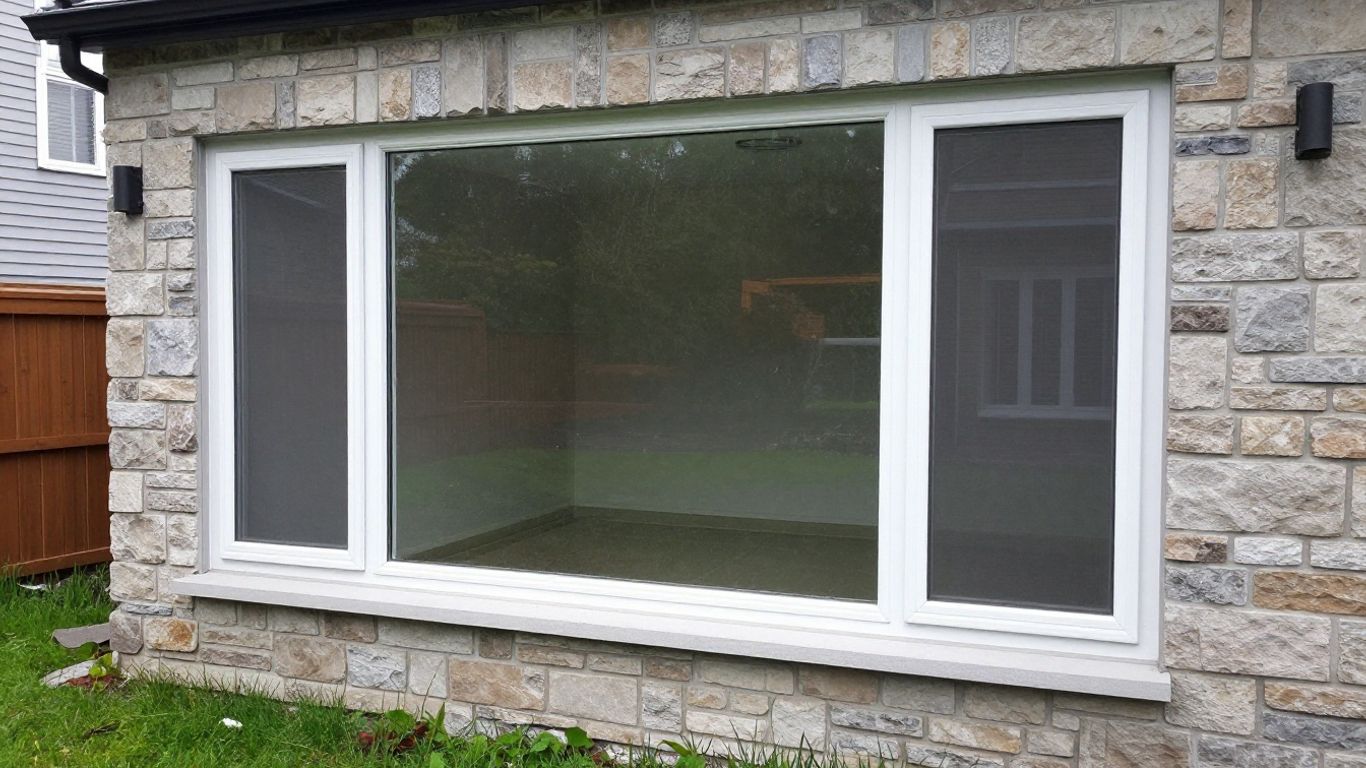
Basement waterproofing in Montreal starts with one question: where is the water coming from? Spring thaws, heavy rain and freeze-thaw cycles put constant pressure on foundations across Montreal and Laval, and the same damp patch can come from a cracked wall, poor grading or a plumbing leak. SKLZ Construction has renovated basements across Laval and Montreal since 2013, and moisture control is the first thing we check before any project starts. This guide explains the warning signs to watch for, how a professional assessment and the waterproofing process work, and what to ask before you hire.
Key Takeaways
Water in a basement can have several causes, so the right fix starts with understanding where it comes from. A careful assessment can help you distinguish a localized issue from a broader drainage or foundation problem.
- Watch for recurring dampness, musty odours, cracks, water pooling, and mineral deposits.
- Seasonal rain, snowmelt, freeze-thaw cycles, and site drainage can all contribute to basement moisture.
- An assessment should consider your home’s history, the foundation, plumbing, and the surrounding property.
- Exterior waterproofing, interior drainage, and crack repairs address different problems and are not interchangeable.
- Ask for a clear scope, project timeline, drainage plan, and maintenance guidance before work begins.
Warning signs your basement may need waterproofing
Basement moisture does not always announce itself with a puddle. You may first notice a change in smell, a mark on a wall, or a patch of paint that will not stay in place. If a symptom keeps returning, note where it appears and whether it follows rain, snowmelt, or a plumbing event.
Damp spots, water stains, and peeling paint
A dark patch near the floor, a tide-like stain, or paint that bubbles and flakes can indicate that moisture is reaching a basement surface. The location matters: a mark below a window, for example, may call for a different investigation than dampness along a long stretch of foundation wall. Avoid covering the area before you understand why it is wet; a fresh coat of paint can hide a symptom without resolving its cause. The same applies to flooring: laying basement tile over a damp slab traps moisture underneath instead of solving it.
Musty odours and persistent humidity
A stale or earthy smell can linger even when you cannot see water. Stored belongings, carpeting, and finished walls may hold moisture, while limited air circulation can make the space feel clammy. Pay attention to whether the odour gets stronger after wet weather or remains in one particular area. Persistent humidity deserves investigation, but smell alone cannot identify the source.
Cracks, seepage, or water pooling after rain
A crack in concrete is not automatically a sign of a major foundation problem, but moisture appearing through it should not be ignored. Look for fresh wetness, a recurring trickle, or water collecting at the floor-wall joint after a storm. Keep notes about timing and location, and take photos if the condition changes. If water is near electrical equipment, avoid the area and contact a qualified professional promptly.
Efflorescence and other signs of moisture moving through masonry
White, powdery deposits on concrete or masonry may form when water moves through the material and leaves mineral residue as it evaporates. The deposits do not tell you by themselves how much water is entering or whether the foundation is structurally damaged. Still, recurring residue, dampness, or crumbling surface material is worth documenting. A professional can assess these signs alongside the site and other symptoms.
Why basements in Montreal are vulnerable to water
In Montreal, your basement is affected not just by the foundation itself, but by changing weather and the way water moves around your property. Rain, melting snow, and shifts in soil moisture can place changing demands on the areas around a home. Houses also differ in age, construction, grading, and drainage, so the same symptom may have different causes from one property to the next.
Freeze-thaw cycles and shifting soil
When water in soil freezes and thaws, conditions around a foundation can change over the course of a season. The degree of movement depends on factors such as soil type, moisture, drainage, and the structure itself. These cycles may contribute to stress around existing weak points, but they do not prove that a particular crack or leak has one specific cause. A site assessment puts visible changes in context.
Heavy rainfall, snowmelt, and seasonal groundwater
A long period of rain or a rapid thaw can send more water toward the ground around your home than usual. If that water cannot drain away readily, it may collect near foundation walls or reveal a weakness that was not apparent during drier weather. Seasonal groundwater conditions can also vary by property. The timing of a leak is useful evidence, so record whether it follows a downpour, thaw, or other change in conditions.
Foundation age, construction, and drainage conditions
A foundation’s materials, construction details, past repairs, and current drainage all influence how it handles moisture. Older construction may have details that differ from those in a newer home, but age alone does not determine whether waterproofing is needed. If your home is decades old, our guide to renovating older homes explains how to assess the building before any work begins. Previous patching can also affect what an assessor sees. When planning future finishes, it can help to review basement design planning with moisture prevention and ventilation in mind, before covering walls or floors.
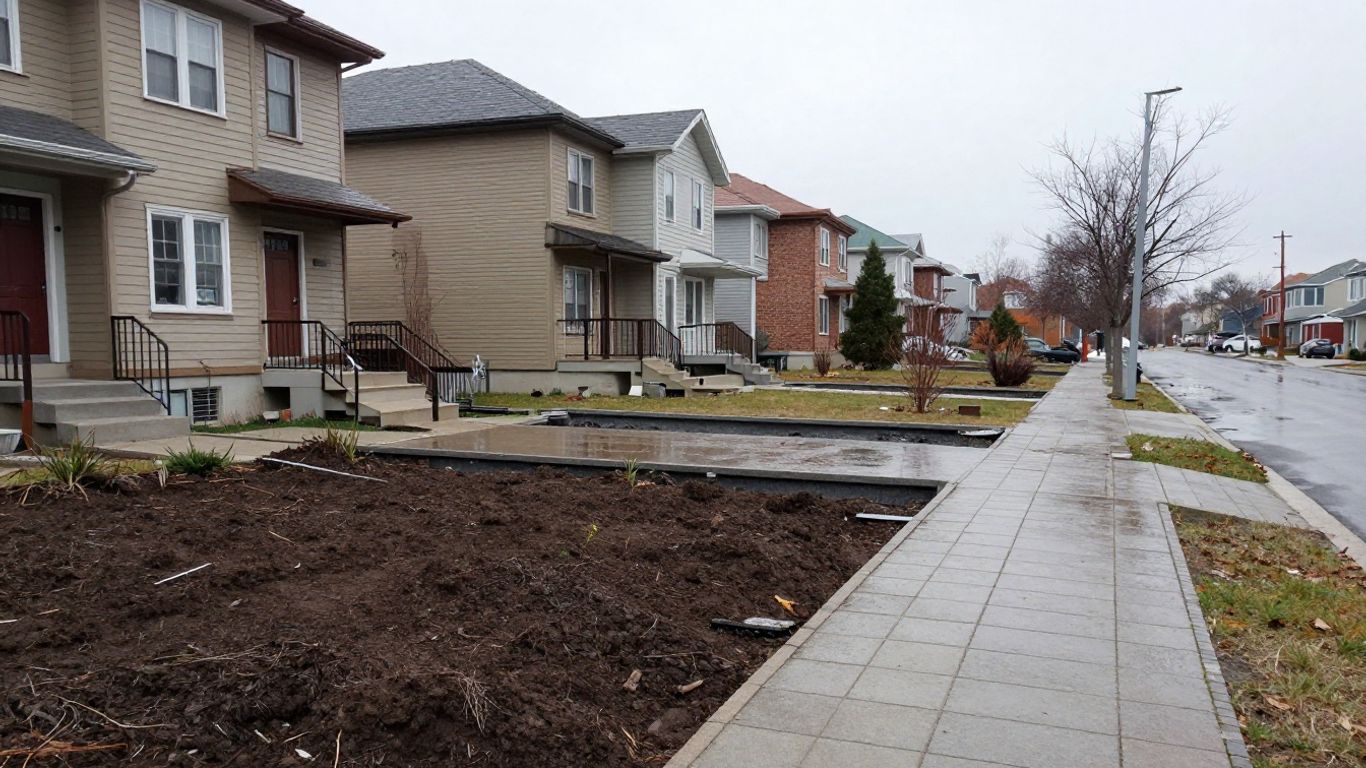
How grading, downspouts, and hard surfaces affect water flow
Water that drains toward the house has a different path than water carried away from it. Sloped ground, downspout discharge, walkways, driveways, and patios can all influence where rainwater collects. During an assessment, it helps to consider the whole route rather than looking only at the wet spot indoors. This simple comparison can organize what you observe before a visit:
| What you notice | What to check outside | Why it helps |
|---|---|---|
| Dampness after rain | Where downspouts discharge | Shows whether roof runoff may collect nearby |
| Water near one wall | Ground slope and nearby surfaces | Helps identify where surface water travels |
| Seasonal seepage | Timing of snowmelt or heavy rain | Connects symptoms with changing conditions |
| A recurring wet corner | Nearby openings and drainage paths | Helps focus the site inspection |
These observations are clues, not a diagnosis. A professional can use them alongside the foundation inspection to determine whether surface water, drainage, or another issue needs attention.
How a professional waterproofing assessment works
A useful assessment is more than a quick look at the dampest spot. It connects what you have noticed inside with the foundation, the property, and the conditions that might be directing water toward the home. You can make the visit more productive by sharing a clear history and asking how each recommendation relates to the symptoms.
Reviewing the home’s history and visible symptoms
Before the inspection, gather details about when the problem began, how often it occurs, and whether it changes with weather or household use. Mention past repairs, renovations, plumbing work, and any periods when the basement was especially wet. Photos taken during or shortly after an event can be useful when the area has since dried. A moisture inspection checklist can help you keep observations organized without treating any single sign as a diagnosis.
Inspecting the foundation inside and out
An inspection may include visible foundation surfaces, the basement floor and wall junctions, openings, and accessible areas outside the home. The assessor looks for patterns: whether moisture is isolated or spread across a wall, whether a crack appears wet, and how exterior conditions relate to the interior signs. The extent of an inspection depends on access and the property. Ask what was examined and what could not be seen.
Identifying whether water comes from the surface, foundation, or plumbing
Water can enter or appear in a basement for different reasons, and not every wet floor points to a foundation leak. A plumbing leak, surface runoff, condensation, and water moving through or around the foundation call for different responses. The assessor should explain what evidence supports the likely source and whether further investigation is needed. Finding the source first helps prevent a repair from addressing the wrong problem.
Comparing findings with local site and drainage conditions
The final recommendation should make sense for your property, not just for a generic basement. An assessor can compare the symptoms with grading, downspouts, nearby paved areas, foundation details, and the timing of water entry. If several factors could be involved, ask which ones are confirmed and which remain possibilities. Clear distinctions help you understand both the proposed work and any remaining uncertainty.
Seeing water or damp in your basement? Call SKLZ Construction at (438) 826-7584 to book a basement inspection in Montreal or Laval.
What the basement waterproofing process involves
The work varies with the source of the water, the foundation, and access around the home. Some projects focus on a specific crack; others may involve excavation and drainage work. Before work starts, make sure you understand what is included, what areas may be disturbed, and how the completed work will be reviewed.
Preparing the work area and protecting the home
Preparation may include clearing access, protecting nearby surfaces, and agreeing on how people and equipment will move through the property. If work is inside, ask how stored items, finishes, and household access will be handled. If the project involves the yard, discuss landscaping and the location of utilities or other features. A clear plan can reduce surprises once the work is underway.
Excavating the exterior foundation when access allows
Exterior work may require soil to be removed beside the affected foundation area so the surface can be inspected and treated. Whether excavation is practical depends on access, property features, and the scope of the repair. Ask how much of the foundation will be exposed and how the excavation area will be protected during the project. The proposed extent should connect to the findings from the assessment. Depending on your borough and the scope of work, excavation may require a permit, so confirm this before work is scheduled.
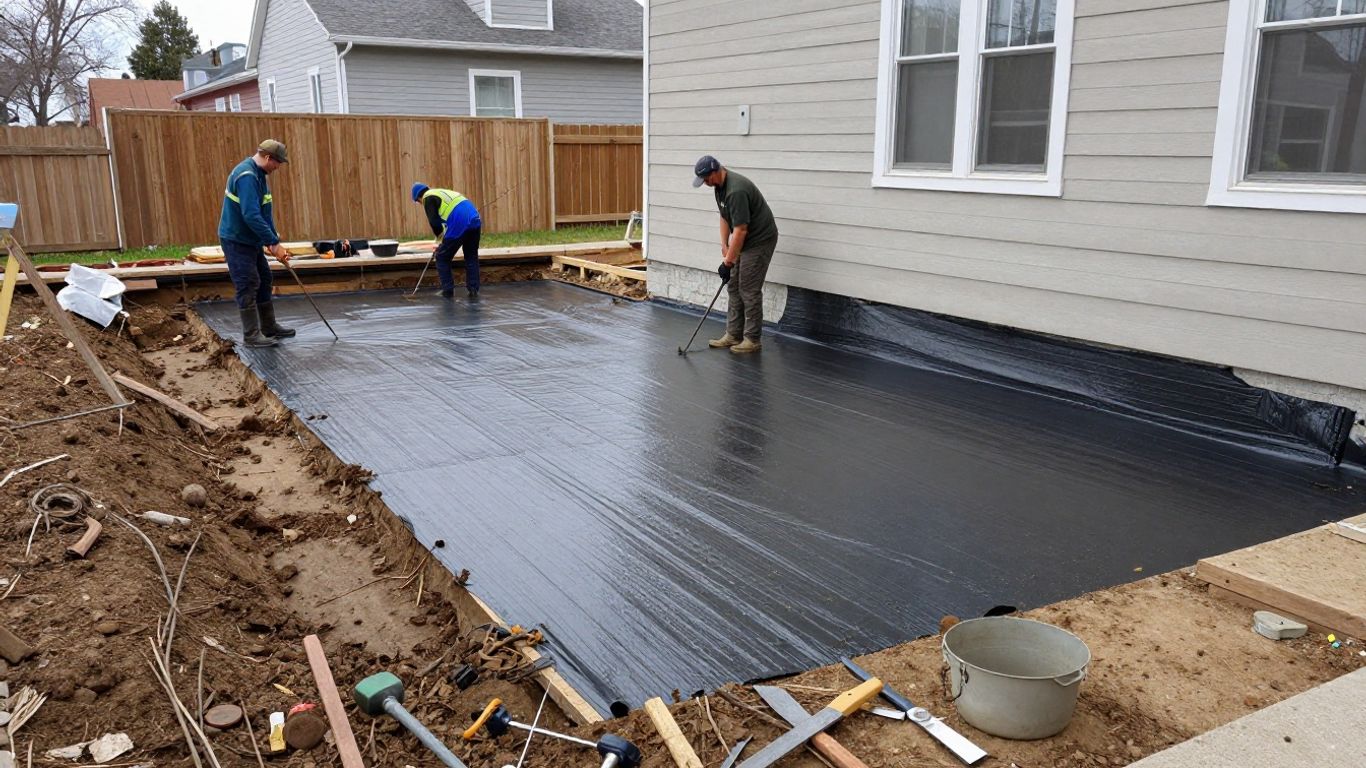
Repairing cracks and applying a waterproof membrane
If a crack or damaged area is part of the identified pathway, the repair method should be chosen for that condition and the surrounding foundation. Depending on the project, work may include repairing the surface and applying a waterproofing membrane. Ask what preparation is required, which areas will be treated, and how the repair fits into the overall plan. A surface treatment is not a substitute for addressing water that is being directed toward the foundation.
Installing or repairing drainage and directing water to a sump system
Drainage work aims to give water a planned route away from the areas where it can cause trouble. Depending on the property and system, that may involve installing or repairing drainage and directing water to a sump system. Make sure the contractor explains where water will travel, how the system will be accessed, and what maintenance it may need. The details matter as much as the name of the system.
Backfilling, restoring the site, and checking the completed work
After exterior work, the excavated area may be backfilled and the affected site restored as agreed. Before the project closes, review the completed work with the contractor and ask how it corresponds to the written scope. Confirm any instructions for maintaining drainage or monitoring the repaired area. Keep the project documents and photos with your home records in case you need them later. If moisture damaged the walls inside, wait until they are fully dry and the source is fixed before installing replacement drywall.
Choosing between exterior and interior solutions
Exterior waterproofing, interior drainage, and crack repair are different approaches, and none is automatically right for every basement. The decision depends on where water is coming from, what the assessment finds, and what can be accessed at the property. Ask the contractor to explain the purpose and limits of each recommendation in plain language.
When exterior waterproofing addresses the source
Exterior work can be considered when findings point to water reaching the foundation from the surrounding soil or when the exterior surface needs repair. Access, landscaping, hard surfaces, and the area involved all affect whether excavation is suitable. Ask whether the recommended work addresses the suspected entry path and how much of the foundation it covers. The answer should follow the evidence from your assessment.
What interior drainage systems can and cannot do
An interior drainage system may collect water that reaches the inside perimeter and route it toward a designated discharge point. That is different from stopping water before it reaches the foundation. Ask how the proposed system handles water, what it does not address, and what conditions could affect its performance. A realistic explanation makes it easier to compare this option with exterior work.
How crack injection differs from broader waterproofing work
Crack injection is a focused repair intended for a particular crack; it does not automatically correct grading, broader drainage conditions, or other possible entry points. It may be appropriate when the assessment identifies a specific crack as the pathway, but the surrounding symptoms still matter. Ask how the crack was evaluated and whether other areas were checked. If moisture is appearing in several places, discuss whether a broader investigation is warranted.
Factors that influence the recommended approach
The recommendation should account for the source of water, the foundation’s condition, access, and the layout of the property. If more than one option is reasonable, ask for the trade-offs rather than a one-size-fits-all answer. These distinctions are useful when you compare proposals:
- The likely route water is taking to reach the basement.
- Whether the work treats a specific defect or a broader drainage issue.
- What areas of the foundation or interior the proposed scope covers.
- Which site constraints could affect access, disruption, or restoration.
A suitable proposal connects each step to a finding and states what the work is intended to accomplish. If the explanation does not make that connection, ask for clarification before deciding.
Planning the work and protecting your investment
Planning gives you a clearer view of cost, disruption, and what happens after the repair. Estimates are easier to compare when they describe the same areas and work, rather than relying on a general label such as “waterproofing.” Before scheduling, discuss access, restoration, drainage, and how you will review the completed project.
What affects basement waterproofing cost and timing
Cost and timing depend on the scope of work, the length or location of the affected area, access, site conditions, and the amount of restoration involved. Excavation and interior work can also require different preparations. Ask for an itemized description of what is included and what could change the price or schedule. A written estimate should make exclusions and assumptions easy to find. If the cost is a concern, ask about financing options before you decide.
Questions to ask about scope, warranties, and drainage
Before approving a proposal, ask how the contractor identified the source, what work will be done, and which parts of the property are included. Clarify how drainage will be routed and what upkeep may be needed. If there is a warranty, request its terms in writing and ask what conditions apply. Clear answers help you compare the actual scope, not just the headline price.
Site access, landscaping, and other project considerations
Exterior work can affect gardens, paths, patios, and other nearby features, while indoor work may require moving stored items or protecting finished surfaces. Discuss what you should clear, what the crew will protect, and what restoration is included. If you are also planning exterior upgrades such as a new deck or siding, schedule them around the excavation so the work isn’t done twice. Confirm access arrangements and expected working hours. If you plan a basement renovation later, coordinate it only after the moisture issue and repair scope are understood.
Maintenance steps to reduce future water problems
Once the work is complete, periodic checks can help you notice changes before they become harder to assess. Maintenance cannot guarantee that water problems will never return, but it can help you spot conditions that deserve attention. Build a simple routine around the parts of the property that influence water flow:
- Check that downspouts discharge away from the foundation as intended.
- Look for changes in grading or new areas where rainwater collects.
- Keep accessible drainage and sump components clear and follow their care instructions.
- Revisit any repaired area after significant rain or seasonal thaw.
If a familiar damp spot or odour returns, record when it happens and contact a qualified professional for guidance. Early observations can make it easier to understand whether conditions have changed.
Conclusion
Basement waterproofing in Montreal starts with understanding the route water is taking and the conditions around your home. By documenting symptoms, getting a clear assessment, and comparing proposals by their scope and purpose, you can make a more informed decision about the work your basement needs.
Frequently Asked Questions
What are the first signs of a basement water problem?
Early signs may include damp patches, water stains, peeling paint, a musty odour, mineral deposits, or recurring water after rain. Note where and when symptoms appear, since those details can help identify the cause.
Does every foundation crack need to be repaired?
Not necessarily. A crack’s appearance, location, changes over time, and any moisture associated with it all matter. A qualified professional can assess whether it needs repair and whether other conditions are involved.
Can a musty smell mean there is water in the basement?
It can be a sign of persistent moisture, but odour alone does not identify the source. Check for damp materials or visible water and have recurring humidity or smell investigated.
What is the difference between exterior and interior waterproofing?
Exterior work is performed on the outside of the foundation and may address a water pathway there. Interior drainage systems generally collect and route water that reaches the inside perimeter. The appropriate option depends on the assessment findings and property conditions.
How long does basement waterproofing take?
Project duration varies with the type and extent of work, access, site conditions, and restoration needs. Ask for an estimated schedule that describes the main stages and any factors that could affect timing.
Will waterproofing fix grading or downspout problems?
Not automatically. Grading and downspout discharge are surface-water conditions that may need their own corrections. Ask whether the proposal includes changes to them or whether they are separate recommendations.
What should I do before a waterproofing assessment?
Write down when symptoms occur, take photos if possible, and gather information about past leaks or repairs. Clear access to the affected areas where practical, and make a note of questions you want answered.