
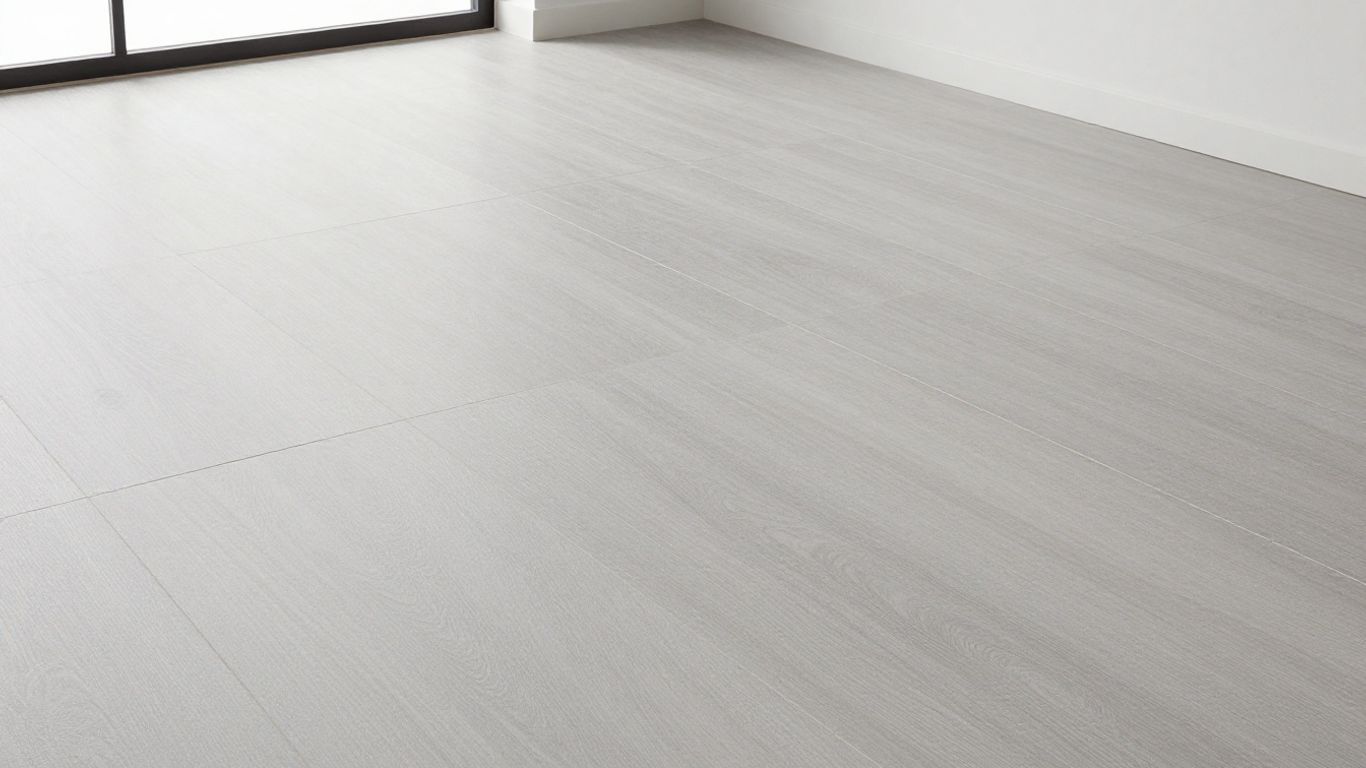
I’ve been renovating homes across Laval, Montreal, and the surrounding area since 2013, and basement flooring is one of the questions I get asked about on almost every basement job we take on. It makes sense — a basement is a different environment than the rest of the house, and the wrong flooring choice down there doesn’t just look bad, it can fail within a couple of years. Tile, done right, is one of the most reliable options we install, and here’s what I’d want a homeowner to know before deciding on it.
Why Basement Tile in Montreal & Laval Makes Sense
Basements in this region sit below grade and deal with a level of moisture and temperature swing that the rest of the house doesn’t — which is exactly why basement tile in Montreal & Laval homes has become our default recommendation over carpet or laminate. I’ve pulled up plenty of basement carpet over the years that looked fine on the surface but had mold growing underneath from a slow leak or seasonal dampness nobody noticed. Tile doesn’t have that problem — it doesn’t absorb water, it doesn’t trap odours, and if something does go wrong, it’s a lot easier to diagnose and fix.
It also holds up. A properly installed tile floor, on a properly prepped subfloor, is something we expect to last decades, not years. That’s a big part of why we lean on it so often for basement renovations across Laval and Montreal — it’s one less thing our clients have to worry about down the line.
The Tile Options We Actually Recommend
Not every basement should get the same flooring — it depends on how you’re using the space and your budget. Here’s how we break it down for clients:
Ceramic and porcelain tile. Our go-to for basements that will see regular use — family rooms, playrooms, home gyms. It’s essentially waterproof, holds up to heavy foot traffic, and comes in enough styles that it doesn’t have to look institutional. Porcelain in particular is denser and more durable than standard ceramic, which matters in a space where you might be dealing with moisture over time.
Luxury vinyl plank (LVP) and SPC click flooring. These have gotten a lot better in the last several years. They mimic wood or stone convincingly, handle moisture well, and the click-lock systems mean less mess during installation. For clients on a tighter timeline or budget, this is often where we land.
Epoxy flooring. This comes up most for basements doubling as a workshop or garage-style space. It’s a poured, seamless coating over the concrete — completely waterproof and resistant to stains and chemicals. The trade-off is that it can get slippery when wet, so we’ll usually add a texture additive if there’s any chance of standing water.
How We Actually Install Basement Tile
This is where a lot of basement tile jobs go wrong, and it’s rarely the tile itself — it’s the prep work underneath it.
Subfloor prep. Before anything else, the concrete subfloor needs to be clean, dry, and genuinely level. If there are dips or high spots, we use a self-levelling compound to correct them, because an uneven subfloor is the number one reason tiles crack or lift down the road.
Moisture management. This is the step I’d never let a client skip. We typically install a moisture barrier or uncoupling membrane — we work with Schluter Systems products for this — between the subfloor and the tile. It’s designed specifically to isolate the tile from any residual moisture or minor movement in the concrete below. Skipping this step to save a bit of money is the single most common mistake we see in basements that were tiled by someone else and are now failing.
Layout and installation. For ceramic or porcelain, we dry-lay a section first to plan the pattern and minimize awkward cuts at the edges, then apply thin-set mortar with a notched trowel sized to the tile manufacturer’s spec, and set each tile with a slight twist to seat it properly. Spacers keep the grout lines consistent throughout.
Grouting and sealing. Once the tile has set — usually about 24 hours — we grout, wipe back the excess before it hardens, and once the grout cures, we seal it. That sealing step protects against staining and moisture intrusion long-term, and it’s an easy one to forget.
For click-lock LVP or SPC systems, the process is more straightforward — no mortar, just fitting the planks together — but we still leave an expansion gap around the perimeter, since basements experience more seasonal temperature swings than upstairs rooms.
Design Choices That Work Well in a Basement
A basement doesn’t have to look like an afterthought. A few directions we see work well for clients in the Montreal and Laval area:
- Large-format tile in grey or charcoal tones for a clean, modern look that also makes a lower-ceilinged space feel a bit bigger.
- Wood-look plank tile or LVP for a warmer feel, especially in basements being used as a family or media room.
- Herringbone or chevron layouts for a basement that’s meant to feel more like a finished living space than a utility area.
- In-floor heating under tile — this one comes up a lot in our Quebec winters. Cold tile underfoot is the biggest complaint we hear about basement flooring, and in-floor heating solves it completely.
Keeping Basement Tile in Good Shape
Maintenance really depends on what you installed:
- Ceramic and porcelain just need regular sweeping and a pH-neutral cleaner for mopping — avoid anything abrasive that can dull the glaze.
- LVP/SPC holds up well to regular sweeping and the occasional damp mop with a manufacturer-approved cleaner.
- Epoxy should be swept or dry-mopped regularly; stick to mild, pH-neutral cleaners and avoid strong solvents that can break down the coating.
Beyond routine cleaning, the biggest thing I tell clients is: deal with moisture the moment you see it. A small leak that sits unaddressed under tile can undermine the grout and subfloor long before it’s visible on the surface.
Mistakes We See Most Often
After more than a decade doing this, the same handful of issues come up again and again on jobs we’re called in to fix:
Skipping subfloor prep. An uneven or damp subfloor is behind most of the cracked, lifted, or hollow-sounding tile we get called out to repair.
Wrong adhesive or grout for the space. Basement conditions call for moisture-rated products. Using standard adhesive because it’s what was on hand is a shortcut that catches up with homeowners within a year or two.
No plan for the layout. Tiling without dry-laying first often ends in awkward slivers of tile at the walls and grout lines that drift out of alignment across the room.
Poor ventilation during installation. Adhesive and grout need proper airflow to cure correctly. We keep basements ventilated during the job for exactly this reason.
If you’re planning to tackle a basement tile project yourself, all of this is doable with patience and the right tools — but if you’re not confident about subfloor prep or moisture control specifically, that’s the part worth bringing in a professional for. It’s the step that determines whether the floor lasts five years or twenty-five.
What Basement Tile Costs in Montreal & Laval
Pricing for basement tile in Montreal & Laval homes depends on the tile you choose and the complexity of the room, but here’s roughly what we see:
| Item | Typical Cost (per sq ft) |
|---|---|
| Tile material (ceramic/porcelain) | $3 – $8 |
| Tile material (natural stone / premium porcelain) | $12 – $20+ |
| Underlayment, moisture barrier & supplies | $1 – $3 |
| Professional installation | $5 – $15+ |
For a typical 500 sq ft basement, that generally puts total project cost somewhere between $4,500 and $13,000, depending on material and layout complexity. I’d always recommend budgeting an extra 10–15% on top of any quote — basements have a way of surfacing subfloor or moisture issues once the old flooring comes up, and it’s better to have room in the budget than to be caught off guard.
When you’re comparing quotes from different contractors, ask specifically about their basement experience and what’s included in the number — moisture barrier, self-levelling compound, and grout sealing should all be spelled out, not assumed.
Frequently Asked Questions
Is tile really the best choice for a basement?
For most finished basements, yes. Tile is one of the best flooring options because it resists moisture much better than carpet and stands up well to heavy foot traffic, pets, and everyday wear. The ideal tile for your basement depends on how you plan to use the space, whether it’s a family room, home gym, office, or rental suite.
Can I install basement tile myself?
Laying tile is possible for experienced DIY homeowners, but proper subfloor preparation and moisture barrier installation are the most critical steps. Errors in these areas can lead to cracked tiles, loose flooring, or moisture problems that are costly to repair, which is why many homeowners choose professional installation.
How much does basement tile installation cost in Montreal or Laval?
Basement tile installation generally costs $9–$26 per square foot, including materials and labor. The final price depends on factors such as the type of tile selected, the condition of the existing subfloor, room size, layout complexity, and any preparation work required before installation.
Do I need to waterproof before tiling a basement?
Yes. Installing a moisture barrier or uncoupling membrane beneath the tile is considered standard practice for basement flooring. This extra layer helps protect against moisture coming through the concrete slab while also reducing the risk of cracks caused by minor movement in the foundation over time.
What’s the most common mistake you see in basement tile jobs?
The biggest issue is inadequate subfloor preparation. Uneven surfaces, poor moisture control, or skipping essential prep work are the leading causes of cracked, hollow, or lifting tiles. A properly prepared foundation is essential for a durable, long-lasting basement tile installation.
If you’re planning a basement renovation in Laval, Montreal, or the surrounding area — Blainville, Boisbriand, Terrebonne, Rosemère, or Saint-Eustache — our team at SKLZ Construction can walk your space and give you a clear, itemized quote. Reach us at (438) 826-7584 or info@sklzconstruction.com, or request a free estimate through our site.Sebastien Lalonde is the founder of SKLZ Construction, a residential renovation company based in Laval, Quebec, serving the greater Montreal area since 2013.