
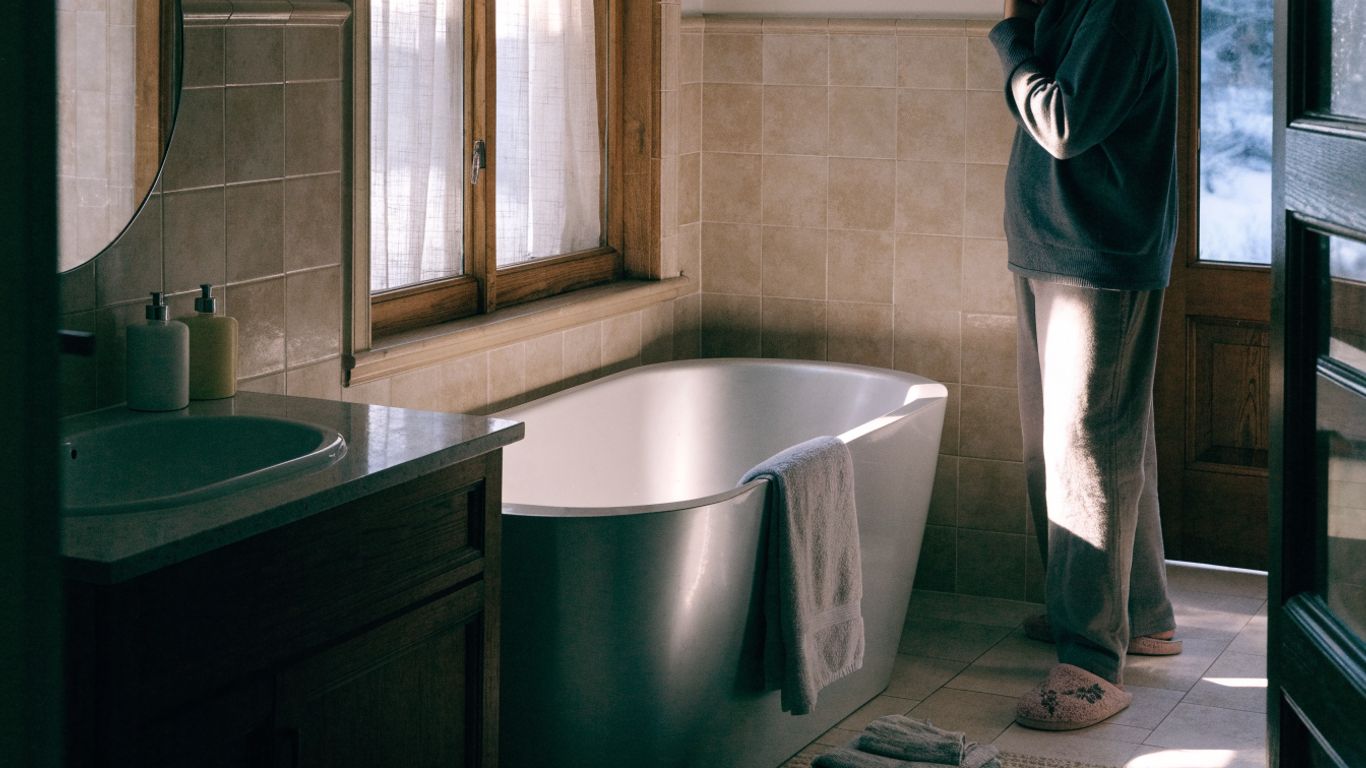
A heated bathroom floor can make cold mornings more comfortable, but the right system and a realistic budget matter. Use these points to decide whether radiant floor heat fits your renovation.
- Electric systems are commonly suited to a single bathroom; hydronic systems are generally more practical when a larger heating system is already planned.
- Installed costs depend on the heated area, the system, electrical work, and the condition of the subfloor.
- A thermostat controls the floor temperature, while a floor sensor helps monitor conditions beneath the finished surface.
- Warm flooring can improve comfort, but it is not a substitute for bathroom ventilation or a whole-home heating system.
- Include floor heating in the renovation plan early, before tile and other finish materials are installed.
How a Heated Floor Bathroom System Works
A heated floor bathroom system warms the floor from beneath the finished surface, so you feel warmth underfoot rather than relying only on warm air. The heating element sits below the tile or other compatible flooring and is controlled separately from the room’s main heat in many installations. Your layout, subfloor and electrical setup all affect which system makes sense.
Electric vs. Hydronic Heated Floors: Which One Suits a Bathroom?
Electric systems use heating cables or mats beneath the floor, while hydronic systems circulate warm water through tubing. For a single bathroom renovation, electric is usually the simpler option because it serves a defined floor area and needs no boiler, pump or manifold connection. Hydronic is worth exploring when the bathroom is part of a larger heating plan, such as a new build or a whole-floor renovation. Consider the heated area, existing equipment and installation complexity before choosing.
What Goes Under the Tile: Cables, Membrane, Sensor & Thermostat
The exact assembly varies, but an electric installation may include heating cable or a mat, a suitable setting material or membrane, a floor sensor and a thermostat. The cables must be arranged according to the system instructions and kept clear of areas where fixed fixtures would prevent heat from reaching the floor. A sensor monitors floor temperature, and the thermostat lets you set when the system operates. Plan the assembly as a whole with your installer so the finished floor, sensor location and controls work together.
Heated Bathroom Floor Cost in Montreal & Laval
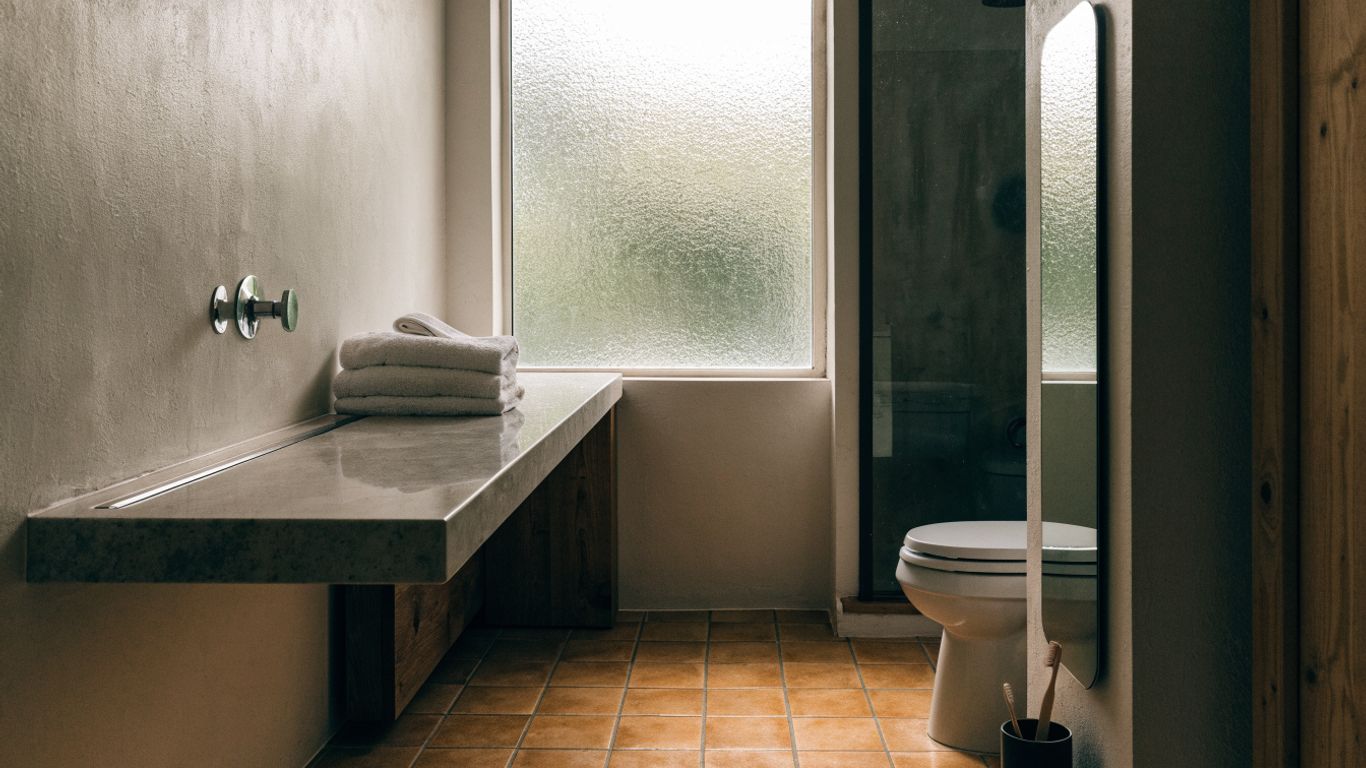
The cost in Montreal or Laval depends on how much floor you heat, what lies beneath it and whether the work is part of a larger bathroom renovation. Electric systems are often more straightforward for a small, dedicated zone, while hydronic work can involve more extensive equipment and labour. Treat the figures below as planning estimates, not a contractor’s quote. The image below shows the kind of compact, tile-finished space where homeowners often consider adding radiant warmth.
Installation Cost per Square Foot (Electric vs. Hydronic)
For a preliminary budget in Quebec, electric floor heating typically runs about $10–$20 per heated square foot installed, while hydronic work runs roughly $12–$28. These ranges move with local labour, the system selected and whether electrical or plumbing upgrades are needed. Per-square-foot figures also leave out demolition, finish flooring and site-specific work, so ask what each estimate includes.
| System | Rough installed planning range | Often considered for | Budget note |
|---|---|---|---|
| Electric cable or mat | $10–$20 per heated sq. ft. | A bathroom-sized zone | Electrical work may add cost |
| Hydronic tubing | $12–$28 per heated sq. ft. | A larger heating plan | Equipment and plumbing scope matter |
| Either system with new tile | Varies by project | A full bathroom renovation | Flooring and preparation are separate factors |
Compare written quotes that cover the same scope of work. A contractor should identify whether the estimate includes the heating controls, floor preparation, electrical or plumbing work and finished flooring.
Want a real number for your bathroom? Call SKLZ Construction at (438) 826-7584 with your room size and flooring choice, and we’ll tell you what a heated floor would add to your project.
What Raises or Lowers the Price of a Heated Floor Bathroom
The heated area matters more than the bathroom’s total footprint: cabinets, a tub and other fixed features reduce the floor area available for heating. Costs can rise if the existing floor must be removed, the subfloor needs repair, or the electrical panel and wiring need attention. A straightforward layout and coordinated work during a planned renovation help keep the scope simpler. If a project uncovers dampness or water entry, investigate the cause before closing the floor; our guide to basement waterproofing in Montreal explains the warning signs of a moisture problem.
Living in a condo? Building rules can affect flooring work, so read our condo renovation guide before you plan the project.
Running Costs on Hydro-Québec Rates
Your operating cost depends on the system’s power, how many hours it runs and the electricity rate that applies to your household. To estimate energy use, multiply the system’s kilowatts by its operating hours. A 0.48 kW zone running four hours a day over 30 days uses about 57.6 kWh if it draws full power the whole time (0.48 × 4 × 30).
Multiply that figure by your price per kilowatt-hour to get dollars. Every 10 cents per kWh puts this example at about $5.76 a month. Check the current Rate D prices on Hydro-Québec’s website, because rates were adjusted on April 1, 2026. Rate D bills the first 40 kWh a day at a lower first-tier price, and many electrically heated Quebec homes exceed that allowance in winter, so the extra kWh from a heated floor can be billed at the higher second-tier price. Thermostat cycling also lowers real consumption, so your bill and the system specifications give the best estimate.
Are Heated Bathroom Floors Worth It in a Quebec Winter?
In a Quebec winter, cold tile can make a bathroom feel less inviting, especially first thing in the morning. A heated floor adds warmth at the surface, which is a meaningful everyday comfort in a room you use daily. Whether the added cost is worthwhile depends on your priorities and how long you expect to enjoy the renovation. Weigh the comfort against the project’s cost and complexity using the sections below.
Real Benefits: Comfort, Faster-Drying Floors & Buyer Appeal
The clearest benefit is a warmer surface under bare feet, which makes a cold bathroom more pleasant. Heat may also help surface moisture evaporate sooner, but it does not replace proper ventilation or careful water management. Some buyers may appreciate the feature, though it should not be treated as a guaranteed increase in resale value. If the floor is already being replaced, adding the system during that work is easier to coordinate than reopening a finished bathroom later.
When a Heated Floor Isn’t Worth the Money
If your bathroom is used infrequently, has warm flooring already, or is likely to be renovated again soon, the added investment may not feel worthwhile. It may also be a poor fit if the existing floor assembly or electrical capacity makes installation unusually complicated. Decide whether you want supplemental comfort or expect the floor to heat the whole room; a heated floor is a floor-warming feature, not a replacement for the home’s main heating. Base the decision on daily use, project timing and the full installation estimate.
Installing a Heated Bathroom Floor: Process, Flooring Choices & Hiring a Pro
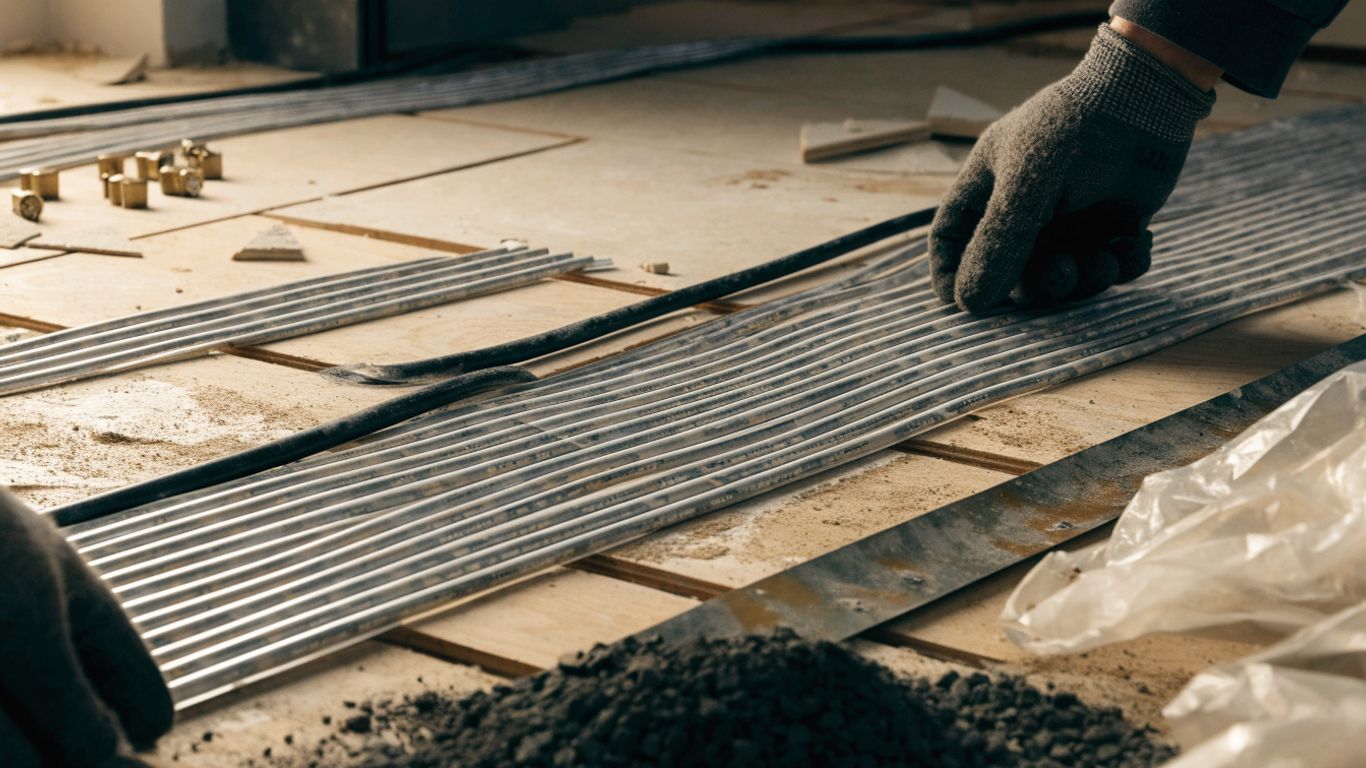
A successful installation starts before the new tile goes down. The installer checks the subfloor, measures the area that can be heated, confirms the system requirements and plans where the sensor and thermostat will go. Bathroom tile is a common finish, but the flooring and setting materials must be compatible with the selected system. This photo illustrates the kind of renovation stage when the heating layout can be considered alongside the rest of the bathroom work.
When you compare proposals, ask what is included and how the system will be tested and documented. A typical sequence looks like this:
- Confirm the heated area and check the subfloor before installation.
- Choose a compatible heating system, floor finish and setting materials.
- Plan the cable or tubing layout, sensor position and thermostat location.
- Coordinate electrical or plumbing work with the renovation schedule.
These steps are a planning framework, not a substitute for the product instructions or your local requirements. Have a licensed electrician make the electrical connection, and keep the system documentation for future reference. Before you sign, verify your contractor’s RBQ licence in the Régie du bâtiment du Québec’s public register, and confirm it covers the type of work in your quote.
Taking time to coordinate the heating layer with the flooring helps avoid last-minute layout changes. For more ways to avoid costly surprises, read our guide to common restroom interior design mistakes.
Heated Bathroom Floor FAQs
Can You Install a Heated Floor Under Existing Bathroom Tile?
Sometimes. A system can be installed over an existing floor only if the tile is sound, the finished floor height still works and the chosen system allows that installation method. Added layers can create height differences at doors and fixtures. An installer can assess the tile and subfloor and explain whether removing the existing finish is the better option.
How Long Does a Heated Bathroom Floor Take to Warm Up?
Electric systems set in thin-set under tile commonly warm up in roughly 30 to 60 minutes, while a floor embedded in a thicker mortar bed responds more slowly. Check the manufacturer’s figure for your system. A programmable thermostat can schedule warmth for when you expect to use the bathroom, so you aren’t heating the floor all day.
Does a heated bathroom floor replace a bathroom heater?
No. Treat it as supplemental floor warmth rather than a replacement for the home’s main heating. In a cold Quebec bathroom, a floor-heating system may take the chill off the room, but it still works best alongside the existing heat source.
Can heated flooring go beneath a bathroom vanity?
Heating is normally planned only for open floor areas. Fixed vanities, toilets and tubs trap heat, and manufacturers generally advise keeping heating elements out from under them, so the layout is drawn around those fixtures. If you’re still choosing a bathroom vanity, pick it before the heating layout is finalized.
Is tile the only flooring option for a heated bathroom floor?
No, but the flooring must be compatible with the chosen heating system and installation method. Tile is the most common choice because it conducts heat well. Check product guidance for any other finish you plan to use. Once your floor is in, these tips to maintain your floors after installation will help it last.
Can I install a heated bathroom floor myself?
Some parts of a project may suit a capable DIYer, but the electrical connection, and any plumbing for hydronic systems, should be done by a qualified licensed tradesperson. Follow the system instructions and local requirements, and ask a professional when unsure.
Planning a Bathroom Renovation With Heated Floors? Get a Free Quote
If you are planning a bathroom renovation in Montreal or Laval, raise the floor-heating question before the finish materials are chosen. That gives your contractor time to assess the floor, confirm the available heated area and coordinate any electrical or plumbing requirements. If budget is the sticking point, see our financing options before you decide.
For a useful quote, share the room dimensions, the flooring you are considering and any known details about the existing subfloor. Quotes are easier to compare when they list the system type, heated area, thermostat, floor preparation and installation work, and say whether demolition and finish flooring are included, rather than giving a single per-square-foot figure.
At SKLZ Construction, we plan a heated floor as part of the whole bathroom, from the subfloor check to the tile, so the heated area, thermostat and sensor location are settled before installation starts. Request a free quote with your room dimensions and flooring choice, and we’ll list the system type, heated area, controls and installation work separately so you can compare quotes fairly.