
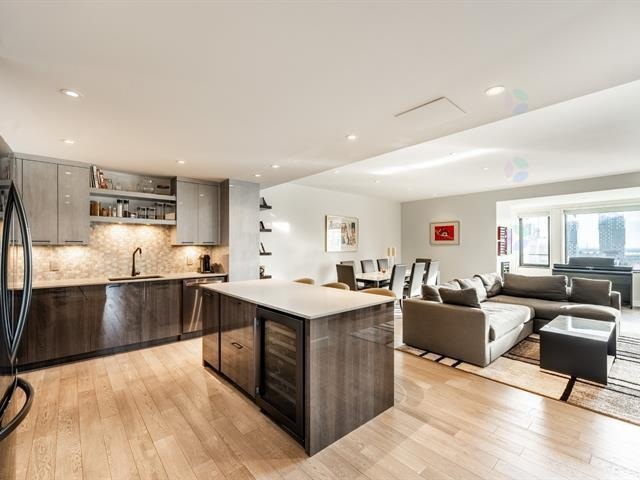
Key Takeaways
- A renovation condo Montreal project follows different rules than a house renovation, since you’re working inside a shared building, not a standalone property.
- Syndicate (condo board) approval is often required before work begins, even for changes that seem purely cosmetic.
- Montreal boroughs have their own permit requirements, and older buildings can add plumbing, electrical, or heritage considerations.
- Soundproofing and moisture control matter more in a condo than in a house, since your neighbours share your walls, floors, and ceiling.
- Budget, timeline, and contractor selection all shift once you factor in building rules, elevator access, and work-hour restrictions.
- Planning ahead with your syndicate and a qualified contractor prevents the most common condo renovation delays.
Why Condo Renovations in Montreal Are Different
A renovation condo Montreal project isn’t just a smaller version of a house renovation — it’s a fundamentally different process. You own your unit, but you’re also part of a larger building governed by a syndicate of co-ownership, shared walls and mechanical systems, and municipal rules that apply specifically to multi-unit properties. Before a single wall comes down, most Montreal condo owners need to understand what they actually control, what requires approval, and what’s completely off-limits.
This distinction matters because skipping it is the single most common reason condo renovations in Montreal get delayed, fined, or forced into costly rework. A homeowner renovating a detached house can usually start once they have a building permit. A condo owner typically needs sign-off from their syndicate first, on top of any municipal permit, before a contractor can begin.
Understand What You Actually Own
In a Quebec condominium, your ownership is split into two categories: your private portion (the interior of your unit) and the common elements (structural walls, the building’s plumbing and electrical systems, windows in many buildings, balconies, and shared spaces). This split, defined in the building’s declaration of co-ownership, determines what you can change freely and what needs approval — or can’t be touched at all.
Before planning any renovation, request a copy of your building’s declaration of co-ownership if you don’t already have one. It will spell out:
- Which walls are load-bearing or shared with a neighbouring unit
- Whether windows, balconies, or exterior elements fall under your responsibility or the building’s
- Any restrictions on flooring type, given noise transfer to the unit below
- Rules around modifying plumbing or electrical systems that run through shared walls
Skipping this step is how owners end up planning a renovation around a wall they don’t actually have the right to move.
Getting Syndicate Approval Before You Start
Most Montreal condo syndicates require written approval for renovations that go beyond paint and light fixtures — and many require it even for things like flooring replacement, since flooring type directly affects sound transfer to neighbouring units. Depending on your building’s bylaws, approval may need to come from the board, a building manager, or in some cases a vote at a general meeting for larger projects.
To keep this step from becoming a bottleneck:
- Submit renovation plans early, ideally before finalizing a contractor’s schedule
- Include material specifications where relevant (especially flooring, since many syndicates specify a minimum sound-rating requirement)
- Ask about insurance requirements — many syndicates require proof of contractor liability insurance before work begins
- Clarify allowed work hours and any restrictions on elevator or common-area use during construction
Getting this approval in writing protects you later, particularly if a neighbour later disputes noise, dust, or access during the project.
Permits and Montreal Borough Requirements
Beyond syndicate approval, most structural, electrical, and plumbing work in Montreal requires a municipal permit, and requirements vary by borough. A kitchen renovation that involves moving plumbing, a bathroom remodel that changes the layout, or any work affecting a load-bearing element will typically need a permit regardless of which borough your building sits in.
Older buildings — common throughout the Plateau, Mile End, Villeray, and other established Montreal neighbourhoods — can add complexity here. Outdated electrical panels, older plumbing materials, and, in some cases, heritage designations can all affect what’s permitted and how the work needs to be done. It’s worth confirming your building’s age and any heritage status before finalizing a renovation plan, since this can change both the permit process and the materials you’re able to use.
A licensed contractor familiar with Montreal’s borough-specific permit process can usually navigate this faster than an owner working through it alone — one more reason contractor selection matters as much as design decisions.
Soundproofing and Shared-Wall Considerations
Noise transfer is one of the most overlooked factors in a condo renovation, and one of the most common sources of complaints after the work is done. Unlike a house, a condo renovation directly affects the people living above, below, and beside you — which is exactly why many syndicates regulate flooring materials and require a minimum sound-transmission rating for any hard flooring installed over a concrete slab.
A few areas worth planning around:
- Flooring — hardwood, tile, and laminate all transmit more impact noise than carpet unless installed with an underlayment that meets your building’s sound-rating requirement
- Plumbing changes — relocating a bathroom or kitchen sink can mean running new lines through a shared wall or floor, which usually needs syndicate approval and careful coordination with the unit below
- Wall assemblies — if you’re adding or modifying interior walls, additional insulation or resilient channel can meaningfully reduce sound transfer to the unit next door
Addressing sound early in the design phase is far cheaper than retrofitting a solution after a neighbour complaint.
Structural Limits: What You Can and Can’t Change
Open-concept layouts are popular in condo renovations, but not every wall can come down. Load-bearing walls, structural columns, and shared mechanical chases (the vertical spaces carrying plumbing, electrical, and HVAC between floors) are typically part of the common elements and can’t be altered without engineering review and syndicate approval — if they can be touched at all.
Before committing to a layout that removes or relocates walls, have a contractor or structural engineer confirm which walls are load-bearing. This is a step worth taking before you fall in love with a floor plan, not after.
Budgeting for a Condo Renovation in Montreal
Condo renovation budgets need to account for a few line items that don’t apply to house renovations:
- Syndicate fees or deposits — some buildings require a refundable damage deposit or charge an administrative fee to review and approve renovation plans
- Elevator and common-area protection — moving materials and debris through shared hallways and elevators may require protective coverings, sometimes at the owner’s cost
- Restricted work hours — many buildings limit construction noise to specific weekday hours, which can extend project timelines compared to a house where a contractor can work a full day
- Disposal logistics — condos don’t have the same easy access for waste bins as a detached house, so debris removal often costs more or takes additional coordination
Getting a detailed quote that accounts for these building-specific factors, rather than a generic per-square-foot estimate, gives you a more realistic budget from the start.
Choosing the Right Contractor for a Condo Renovation
Not every residential contractor is equally comfortable navigating syndicate approvals, borough permits, and the tighter working conditions of a multi-unit building. When evaluating contractors for a renovation condo Montreal project, it’s worth asking directly:
- Have you completed condo renovations in Montreal before, and can you share examples?
- Are you familiar with the permit process in this specific borough?
- Can you provide proof of liability insurance for the syndicate’s records?
- How do you handle debris removal and common-area protection in a condo building?
- What’s your approach to minimizing noise disruption for neighbouring units?
Experienced Renovations Montreal contractors who regularly work across Montreal and Laval residential properties will typically have answers ready for all of these questions, since they come up on nearly every multi-unit project. A contractor who’s only worked on detached houses may be a fine tradesperson but still unfamiliar with the extra layer of approvals a condo requires.
Kitchen and Bathroom Renovations in a Condo
Kitchens and bathrooms are the two most common condo renovation projects, and also the two most likely to involve plumbing changes that require syndicate sign-off. A kitchen renovation that relocates the sink or dishwasher, or a bathroom remodel that shifts the toilet or shower drain, means working with the building’s existing plumbing stack — which is shared infrastructure, not something you can modify unilaterally.
Working with a contractor experienced in both kitchen renovation and bathroom renovation planning in a condo setting helps keep these projects realistic from the design stage, rather than discovering mid-project that a preferred layout isn’t structurally or administratively possible.
Resale Value: What’s Worth Renovating in a Condo
Not every renovation returns its cost at resale, and condo buyers evaluate units somewhat differently than house buyers. Kitchens and bathrooms tend to have the strongest return, since they’re the spaces buyers scrutinize most closely during a showing. Flooring updates that meet the building’s sound-rating standards also tend to help, both for resale appeal and for avoiding future noise disputes with the next owner’s downstairs neighbour.
Cosmetic updates — paint, lighting, hardware — are lower-cost and lower-risk from an approval standpoint, and can meaningfully improve how a unit shows without requiring the same level of syndicate involvement as structural or plumbing work.
Final Thoughts
A renovation condo Montreal project rewards owners who plan around the building, not just the unit. Confirm what you actually own before you design around it, get syndicate approval in writing early, factor borough permit requirements and building age into your timeline, and choose a contractor who’s navigated this exact process before. With that groundwork in place, a condo renovation can move about as smoothly as a house renovation — just with a few extra steps built into the plan from day one.
FAQs About Condo Renovations in Montreal
Do I need syndicate approval to renovate my condo in Montreal?
In most buildings, yes — especially for anything beyond paint and light fixtures. Flooring changes, plumbing or electrical work, and any modification to shared walls typically require written approval from the syndicate before work begins.
Can I remove a wall in my condo unit?
It depends on whether the wall is load-bearing or part of the building’s shared structure. Non-structural interior walls within your private portion are usually more flexible, but any wall suspected of being load-bearing needs confirmation from a contractor or structural engineer, plus syndicate approval, before it comes down.
Do I need a permit to renovate a condo in Montreal?
Structural, electrical, and plumbing work generally requires a municipal permit, and the exact process depends on which Montreal borough your building is in. A contractor familiar with local permit requirements can usually confirm what’s needed for your specific project.
Why do condo buildings care about flooring material?
Hard flooring transmits impact noise to the unit below far more than carpet does, so many syndicates require a minimum sound-transmission rating for flooring installed over a concrete slab. Checking this requirement before purchasing materials avoids having to redo the work later.
How long does a condo renovation typically take in Montreal?
Timelines vary with project scope, but condo renovations often take somewhat longer than comparable house renovations because of restricted work hours, elevator scheduling, and the syndicate approval process. Building extra time into your plan for these steps helps avoid a rushed or frustrating renovation experience.