
Kitchen tile takes more punishment than almost any other surface in the house — dropped pots, daily foot traffic, grease, spills, and constant cleaning. I’ve replaced a lot of kitchen tile across Laval and Montreal since 2013, and the question I get most often isn’t “what tile should I pick,” it’s “do I actually need to replace this, or can it be fixed?” Here’s how we walk clients through that decision.
Kitchen Tile Montreal & Laval: Why It Wears Out Faster Than You’d Think
Kitchen tile in Montreal & Laval homes deals with a specific combination of stress that other rooms don’t: constant foot traffic, moisture from cooking and cleanup, and the occasional dropped pan. A few specific culprits behind the wear we see most:
Foot traffic — the path between the fridge, stove, and sink takes the most abuse and shows wear first
Moisture and stains — grout is porous, and spills from oil, sauce, or wine can discolour it even when the tile itself is fine
Impacts — dropped cookware chips or cracks tile, and repeated smaller impacts weaken it over time
Harsh cleaning products — some degrade tile finish or grout with frequent use
Temperature swings — less common with modern tile, but can still contribute to cracking or loosening over years
None of this means the tile was poor quality — it’s just what daily kitchen use does to any flooring eventually. Knowing which of these is at play helps determine whether you’re looking at a repair or a full replacement.
Clear Signs It’s Time to Replace
The decline is usually gradual rather than dramatic. A few things worth checking:
Cracked or chipped tiles — even a small crack lets moisture and grime underneath, which tends to get worse, not better, over time
Loose or wobbly tiles — if a tile shifts underfoot, the adhesive has failed; this is a tripping hazard as much as an eyesore
Persistent staining — if scrubbing hasn’t worked by now, it isn’t going to
Uneven surfaces — could mean lifting tiles, grout failure, or an underlying subfloor issue that needs attention before new tile goes down
Grout that’s crumbling or permanently discoloured — sealing can extend grout life, but past a certain point it needs replacing, not patching
If your reaction to your own kitchen floor is embarrassment when guests are over, that’s as real a signal as any physical defect.
When Upgrading Beats Repairing
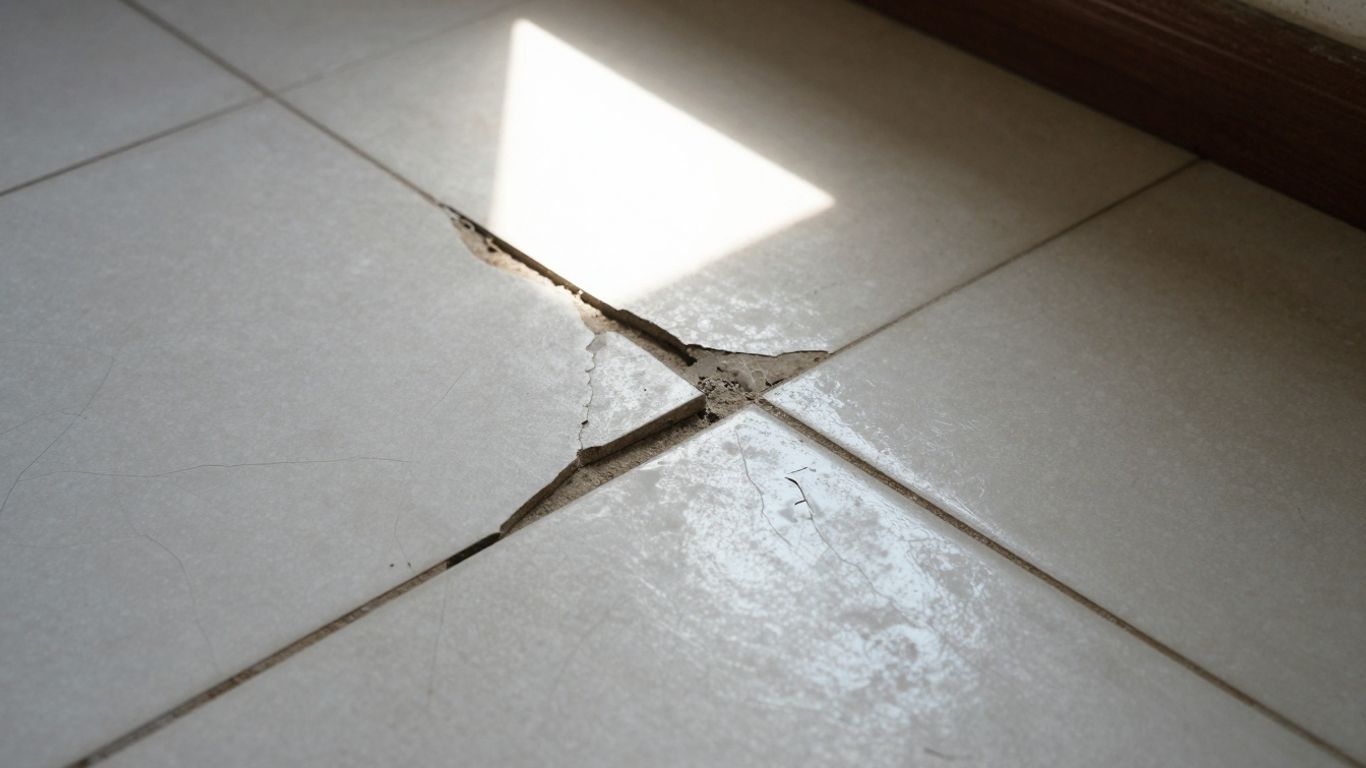
A single cracked tile is an easy fix. The calculation changes once you’re looking at:
Widespread damage — several cracked, loose, or chipped tiles usually points to a bigger issue with the subfloor or original installation, not bad luck
A style that no longer fits your kitchen — functional tile that just looks dated is a legitimate reason to upgrade, especially ahead of a sale
Materials that can’t keep up with how you use the kitchen — heavy cooks and families with young kids often outgrow older, harder-to-clean tile
Preparing to sell — updated tile is one of the more noticeable improvements buyers respond to
Patching the same few spots repeatedly tends to cost more over a couple of years than one properly done replacement — and you’re back to square one aesthetically either way.
Backsplash Tile: A Slightly Different Calculation
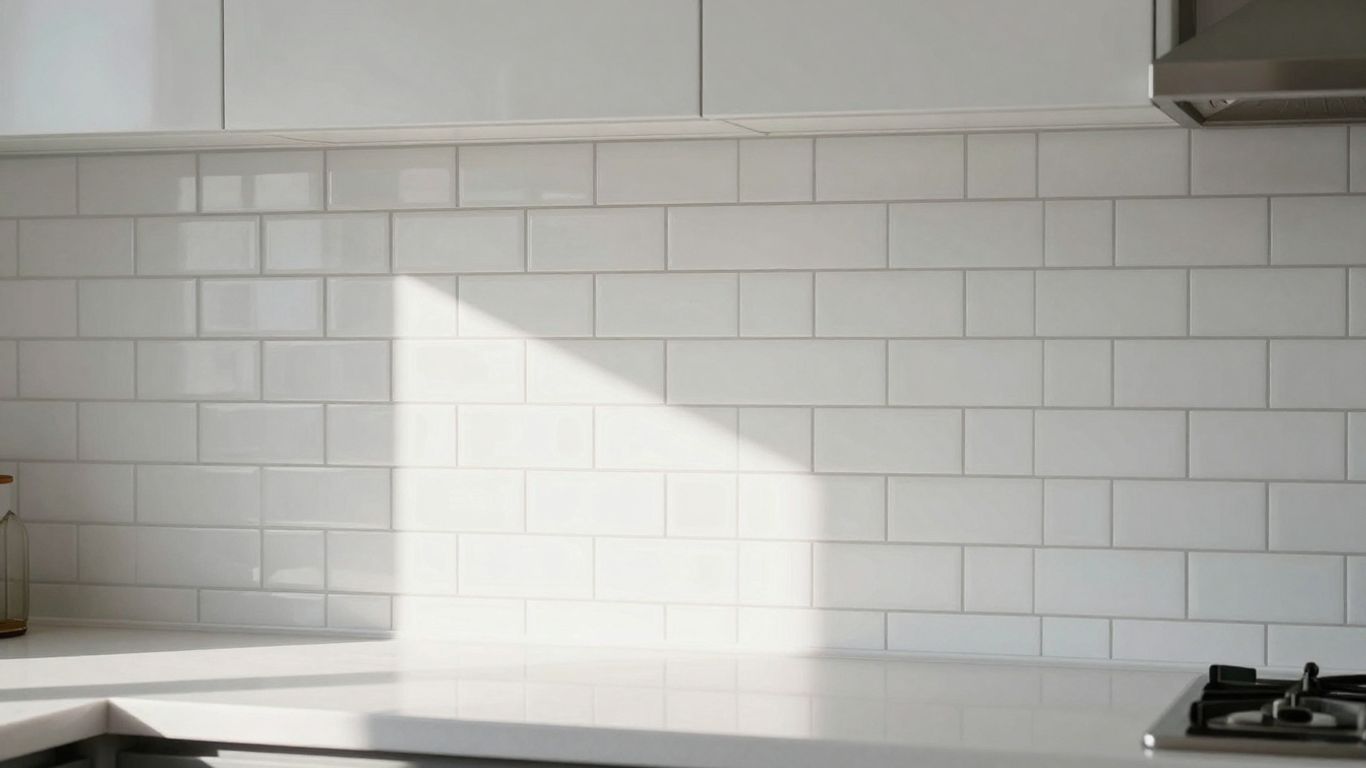
Backsplash tile takes a different kind of abuse — grease splatter and cooking residue rather than foot traffic — but the signs it needs replacing are similar: visible cracks or chips, grout that’s stained or missing in spots, mold or mildew developing behind the tile, or a style that no longer matches the rest of the kitchen. If grease and grime are making it through to the wall behind the tile, that’s a functional failure, not just a cosmetic one, and it’s worth addressing before it spreads to the drywall underneath.
Choosing the Right Tile
| Tile Type | Durability | Water Resistance | Maintenance | Typical Cost (per sq ft, CAD) |
|---|---|---|---|---|
| Porcelain | Very high | Excellent | Low | $3 – $20+ |
| Ceramic | High | Good | Low | $2 – $15+ |
| Natural stone | High | Varies — needs sealing | Medium | $5 – $100+ |
Porcelain is our default recommendation for busy kitchens — dense, fired at high heat, and close to waterproof, with styles ranging from stone-look to wood-look.
Ceramic is a solid, more budget-friendly alternative that still holds up well to daily kitchen use, just slightly less dense than porcelain.
Natural stone (granite, marble, slate, travertine) brings a level of character porcelain and ceramic can’t match, but it’s more porous, generally needs sealing, and costs more.
Grout choice matters too — darker grout hides stains better on a backsplash, and epoxy grout is worth considering anywhere spills are frequent, since it resists staining far better than standard cementitious grout.
What New Tile Actually Does for the Kitchen
Beyond looks, new tile improves how the kitchen functions day to day: textured floor tile cuts down on slipping near the sink or stove, easier-to-clean surfaces mean less time scrubbing, and updated tile is consistently one of the improvements buyers notice first when a home goes on the market. It’s not just a cosmetic swap — it’s one of the renovations that tends to hold its value.
DIY vs. Professional Installation
Smaller jobs — a handful of cracked tiles, a simple backsplash — are reasonable DIY territory if you’re comfortable with cutting, adhesive, and grout work, and there’s real labour cost savings in doing it yourself. Where we’d recommend bringing in a professional:
Larger floor areas or complex patterns, where mistakes are expensive to redo
Anywhere subfloor issues are suspected, since tiling over an unresolved problem just guarantees a repeat failure
Jobs where a flawless, even finish really matters — an experienced installer works faster and more precisely than most first attempts
Factor in tool costs (tile cutters, trowels, potentially a wet saw) and the real risk of a mistake needing a redo — for anything beyond a small patch job, professional installation often ends up the more economical choice once everything is accounted for.
Planning the Project
A few things worth nailing down before ordering any tile:
Scope — floor only, backsplash too, countertops as well?
Budget — including materials, labour, underlayment, and a buffer for anything unexpected once old tile comes up
Timing — avoiding major holidays or events, since a kitchen mid-renovation is disruptive
Materials — tile type, colour, and how it fits the rest of the kitchen
Contractor — if you’re not doing it yourself, get a few quotes and ask specifically about their kitchen tile experience
Underlayment, grout, and sealant are easy to overlook but directly affect how long the finished floor lasts — skipping them is the tile equivalent of skipping a foundation.
Frequently Asked Questions
How do I know if my kitchen tiles need replacing?
Cracked or chipped tiles, tiles that shift underfoot, and grout that’s crumbling or permanently stained are the clearest signs. If water has gotten underneath and the subfloor is affected, replacement isn’t optional.
What’s the best kitchen tile for Montreal and Laval homes?
Porcelain and ceramic are the most common choices — both handle moisture and temperature swings well. Porcelain is the more durable of the two and our usual recommendation for high-traffic kitchens.
Can I repair instead of replacing everything?
For isolated damage — a single cracked tile, one loose spot — repair makes sense. Once damage is widespread, replacement is usually more cost-effective than repeated patch jobs and gives you a cleaner result.
Are there specific signs my backsplash needs replacing?
The same signs as flooring — cracks, chips, loose tile, stained or crumbling grout — plus grease or moisture making it through to the wall behind the tile.
What’s the difference between replacing and upgrading?
Replacing swaps in similar tile; upgrading is a chance to improve durability, style, or function at the same time — a more porous older tile for a denser porcelain, for instance.
Should I DIY or hire a professional?
Small repairs are reasonable DIY projects. Full kitchen retiling, especially anywhere subfloor condition is uncertain, is where a professional’s experience and equipment pay for themselves.
Ready to Replace Your Kitchen Tile?
If you’re weighing repair versus replacement for your kitchen tile in Montreal or Laval, our team at SKLZ Construction can take a look, give you an honest read on whether it’s a patch job or a full replacement, and provide a clear quote either way. Reach us at (438) 826-7584 or info@sklzconstruction.com.
Sebastien Lalonde is the founder of SKLZ Construction, a residential renovation company based in Laval, Quebec, serving the greater Montreal area since 2013.