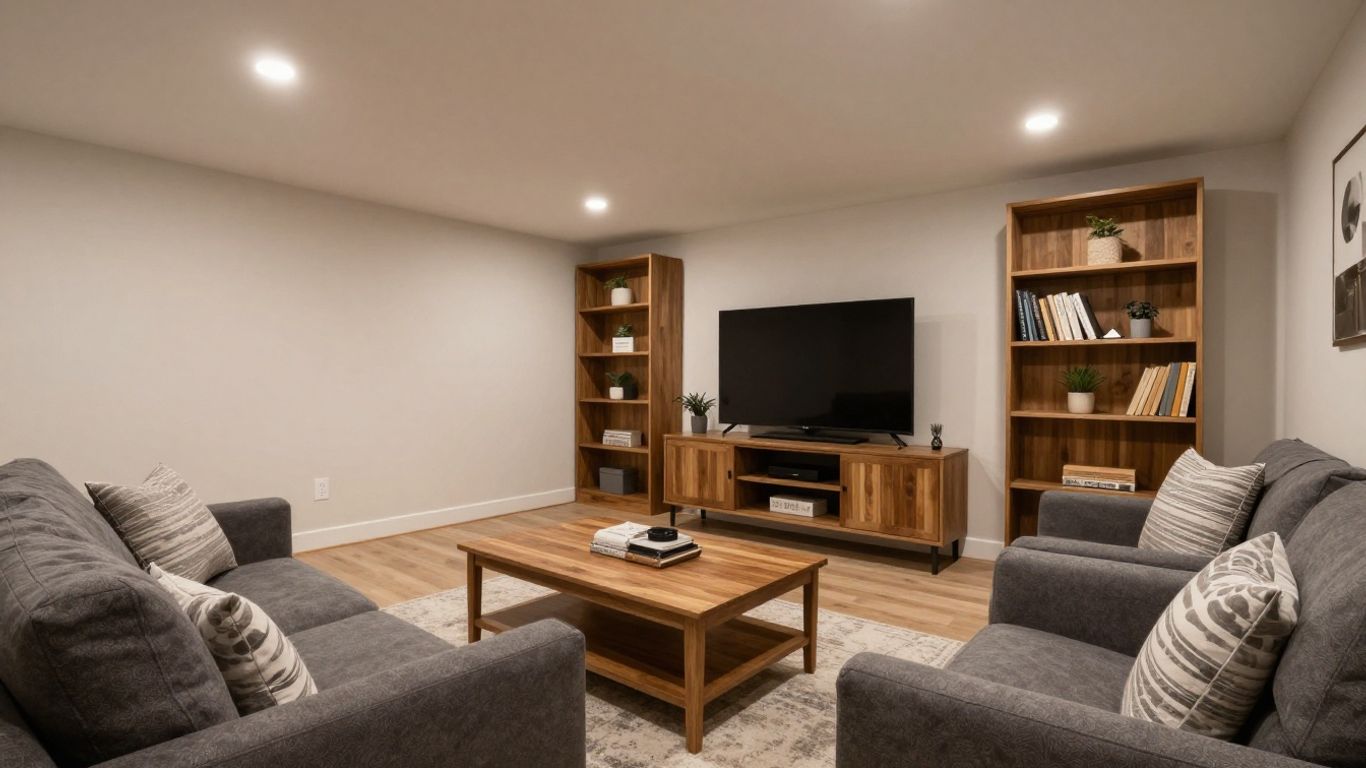
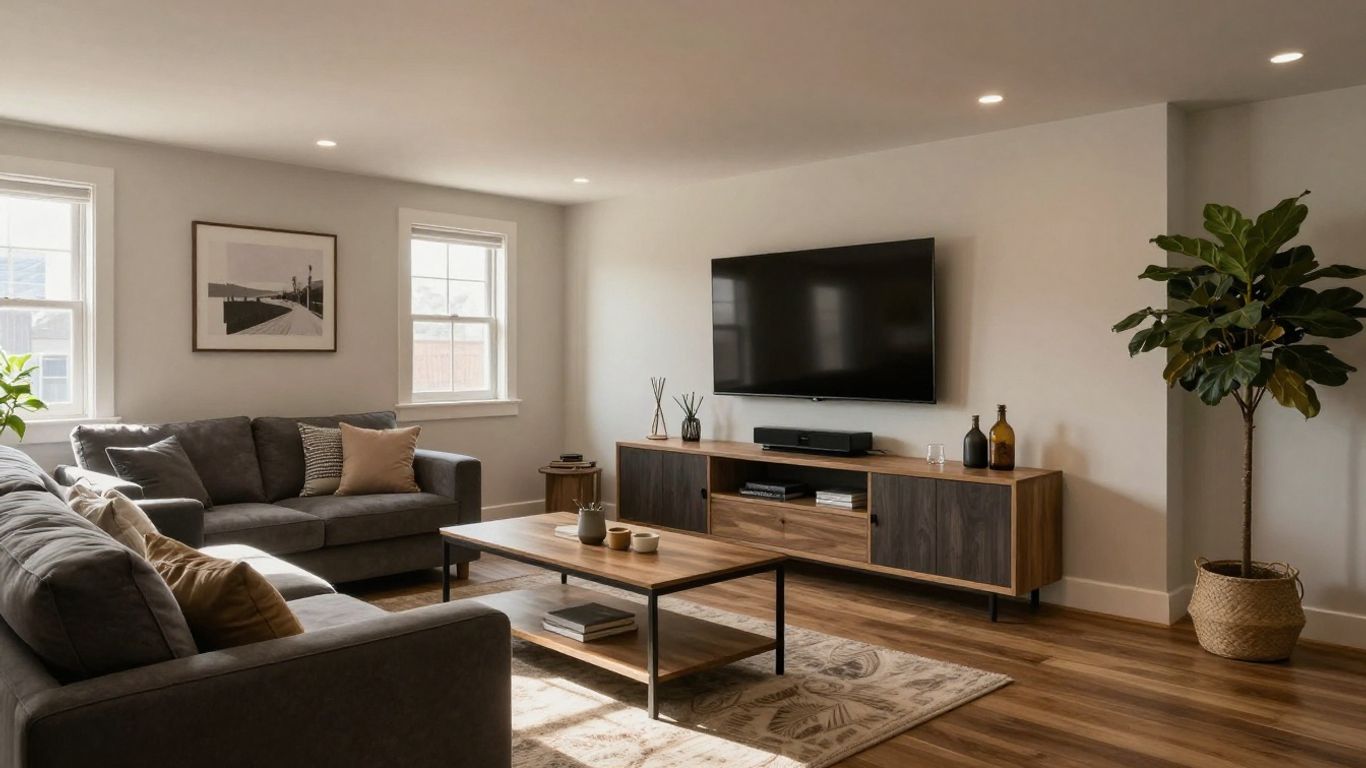
When you think about your basement, maybe you picture a dark, dusty place with old boxes. Or perhaps a spot where old exercise equipment goes to die. But what if it could be more? Your basement has a lot of potential, way more than just being a storage area. With some smart ideas and planning, you can turn that underused space into a cozy spot for the family, a fun place to hang out, or even a quiet home office. This guide is all about basement design ideas to help you see what’s possible and make your lower level a place you actually want to spend time in.
Key Takeaways
- Basements can be transformed from forgotten storage areas into functional and inviting living spaces with the right basement design ideas.
- Planning is key before starting any renovation, considering moisture control, lighting, and how the space will be used now and in the future.
- Layouts should be adapted to the basement’s specific challenges, like low ceilings or narrow spaces, using smart furniture and storage solutions.
- Different design styles, from cozy and lived-in to modern industrial, can be achieved to match your personal taste and home’s aesthetic.
- Incorporating elements like layered lighting, durable flooring, and thoughtful material choices will make the basement a comfortable and valuable part of your home.
What Is Basement Design?
Basement design is all about taking that often-underused space below your main living area and giving it a purpose. Think of it as a blank canvas, but one that’s a bit cooler and maybe a little darker than the rest of your house. It’s not just about shoving old boxes down there or pretending it doesn’t exist.
It’s about transforming it into a functional, comfortable, and attractive part of your home.
This can mean a lot of different things. Maybe you’re dreaming of a cozy family room where everyone can gather, a dedicated home office that’s out of the way, a fun entertainment zone with a bar and game table, or even an extra bedroom for guests. The possibilities really depend on what you need and what your basement can realistically offer.
Here are some common goals for basement design:
- Adding usable living space: This is the big one. Basements can significantly increase the square footage of your home without needing an addition.
- Improving home functionality: Creating specific areas for hobbies, work, or relaxation.
- Increasing home value: A well-designed basement can be a major selling point.
- Addressing moisture issues: Proper design includes dealing with potential dampness and water.
Before you even think about paint colors or furniture, it’s smart to consider the practical stuff. Basements are underground, which means they’re more prone to dampness and leaks. Getting a handle on moisture control is a big deal for making sure your finished basement lasts and stays pleasant to be in.
Ultimately, basement design is about making that lower level a place people actually want to spend time in, making it feel just as inviting as any other room upstairs.
Basement Design Planning Before Renovation
Before you even think about paint colors or furniture, getting your basement ready for renovations requires some serious thought. Since basements are below ground, they’re naturally more prone to dampness and potential water issues. Addressing moisture control upfront is probably the most important step you can take. Ignoring this can lead to mold, mildew, and structural problems down the line, which nobody wants.
Here’s a quick rundown of what to consider:
- Waterproofing: This is non-negotiable. Think about sealing foundation walls, checking for cracks, and maybe even installing a sump pump if your area is prone to heavy rain.
- Ventilation: Good airflow is key to preventing that musty basement smell and keeping humidity in check. Consider exhaust fans, especially if you’re planning a bathroom or kitchen area.
- Insulation: Proper insulation will make your basement feel more like the rest of your home, keeping it warmer in winter and cooler in summer.
- Permits: Don’t forget to check with your local municipality about any required building permits for your project. Skipping this can cause headaches later.
Planning for flexibility is also a smart move. Think about how the space might need to change as your family grows or your needs evolve. A room that’s a playroom today could become a home office or a guest suite tomorrow. Designing with adaptable layouts means your basement can serve you well for years to come.
Also, consider the overall function. Are you looking to add a bedroom, a home theater, or just more living space? Having a clear vision helps guide all the subsequent design and construction decisions. It’s about making sure your basement renovation is not just about aesthetics, but also about practicality and long-term value for your home. You can find some great resources for basement renovation checklists online to help keep you on track.
Best Basement Layout Design Ideas
Thinking about how to best use your basement space can be a bit overwhelming. It’s a big area, and you want to make sure you get it right. There are so many different basement layout options to consider, and what works for one home might not work for another. The key is to figure out what you need your basement to do for you and your family.
When planning your basement room layouts, think about the flow. How will people move through the space? Do you want one big open area, or several smaller, distinct rooms? Sometimes, using temporary dividers can give you the flexibility to change things up later without a huge commitment. This is a great way to test out different basement design ideas before you commit to permanent walls.
Here are a few popular basement layout ideas:
- Open Concept Living: This is great for a family room or entertainment space. It makes the area feel larger and more connected. You can define different zones with furniture placement and rugs.
- Multi-Functional Zones: Divide the space into areas for different activities. Think a home theater corner, a game area, and maybe even a small bar. This way, everyone gets something they enjoy.
- Dedicated Rooms: If you need a quiet home office, a guest bedroom, or a playroom, consider creating separate rooms. This offers privacy and helps keep noise contained.
- Guest Suite: Transforming a section into a comfortable guest bedroom can be a smart move. Adding a basement bathroom design ideas makes it even more convenient for visitors.
Don’t forget about the practical stuff, like where plumbing and electrical outlets will go. Planning these early can save you a lot of headaches and money down the line. It’s also smart to think about how you’ll handle moisture control, as basements are naturally more prone to dampness.
Consider the ceiling height too. Low ceilings can make a space feel cramped, so using lower-profile furniture and lighter colors can help. If you have higher ceilings, you can take advantage of that vertical space with shelving or taller decor. Ultimately, the best basement layout is one that fits your lifestyle and makes the most of the square footage you have.
Popular Basement Design Styles
Basements can be transformed into so many different kinds of spaces, and the style you choose really sets the mood. It’s not just about making it functional; it’s about making it feel like a natural extension of your home’s personality.
Here are a few popular styles people are going for:
- Modern Industrial: Think exposed pipes, concrete floors (maybe with a cool rug to warm it up), and a generally raw, unfinished look. It sounds unfinished, but it’s a deliberate aesthetic that can save you some cash on finishes. Painting those exposed pipes a uniform color can really tie it together.
- Cozy & Livable: This is all about comfort. Imagine deep, soft couches, lots of textured throws and pillows, and warm lighting. It’s the kind of space you want to curl up in with a book or for a family movie night. Layering different fabrics and materials is key here.
- Transitional: This style blends traditional and modern elements. You might see classic furniture pieces mixed with cleaner, more contemporary lines. It’s a safe bet if you want something that feels timeless and appeals to a lot of different tastes.
- Modern Farmhouse: If you like the rustic charm but want it updated, this is it. Think shiplap walls, wood accents, and a neutral color palette, but with sleeker finishes and furniture than you might find in a purely rustic design.
Choosing a style isn’t just about looks; it influences everything from the materials you pick for the floors and walls to the type of furniture you’ll bring in. It helps create a cohesive feel so your basement doesn’t just feel like a random room tacked onto your house.
- Scandinavian: Known for its simplicity, functionality, and light, airy feel. Lots of natural light, minimalist furniture, and a neutral color palette with pops of natural wood are hallmarks of this style.
- Bohemian (Boho): This is for the free spirits. It’s eclectic, colorful, and full of personality. Think layered textiles, plants, vintage finds, and a relaxed vibe. It’s less about matching and more about creating a space that feels uniquely yours.
When you’re picking a style, think about how you want to feel in the space. Do you want it to be a lively entertainment zone, a quiet retreat, or a functional workspace? Your chosen style will guide those decisions and help make your basement renovation a success.
Basement Flooring, Walls, and Ceiling Design
When you’re thinking about finishing your basement, the floors, walls, and ceiling are a big part of how the whole space feels. It’s not just about making it look nice; it’s also about dealing with the unique challenges a basement can present, like moisture.
Choosing the right flooring is super important because basements can be damp. Forget carpet that just soaks up water and gets moldy. Instead, think about materials like luxury vinyl planks (LVP), engineered wood, or even tile. LVP is a popular choice because it looks great, comes in tons of styles, and is really good at handling moisture. Engineered wood can work too, but make sure it’s installed properly to avoid issues. Tile is always a solid option, especially in areas prone to getting wet, like a basement bathroom or bar area. You can find stone or brick-look tiles that add a lot of texture and visual interest.
For the walls, paint is your best friend, but pick wisely. Look for moisture-resistant paints that can help block mildew and stop water from seeping in. Lighter, neutral colors can make a basement feel much bigger and brighter, which is always a plus when you don’t have a lot of natural light. If you’re going for a more rustic or industrial vibe, leaving a section of the original brick exposed can add a lot of character. Just make sure any exposed brick is properly sealed.
Ceilings in basements are often lower than in the rest of the house. You have a few options here. You can go with a standard drywall ceiling, which gives a clean, finished look. Another popular choice, especially if you have a lot of pipes or ductwork you want to hide without losing too much headroom, is a drop ceiling. These come in various styles now, not just the old-fashioned acoustic tiles. Some modern drop ceilings can even mimic wood or metal, adding a stylish touch. If your ceilings are really low, keeping furniture low-profile and using vertical storage can help make the space feel more open.
Here are some things to keep in mind for each surface:
- Flooring:
- Luxury Vinyl Plank (LVP): Durable, water-resistant, many styles.
- Engineered Wood: Can work if installed correctly, offers warmth.
- Tile (Ceramic, Porcelain, Stone): Excellent for wet areas, adds texture.
- Walls:
- Moisture-resistant paint: Protects against dampness, brightens space.
- Exposed Brick/Stone: Adds character and texture, needs sealing.
- Wood Paneling: Can add warmth, choose moisture-friendly types.
- Ceilings:
- Drywall: Clean, finished look.
- Drop Ceiling: Hides utilities, modern options available.
- Open Joist: Industrial look, requires careful finishing of exposed elements.
Dealing with moisture is probably the biggest hurdle in basement design. Before you even pick out paint colors or flooring materials, you need to make sure your basement is properly waterproofed and that you have good ventilation. This might involve checking for foundation cracks, sealing any leaks, and possibly installing a dehumidifier or improving air circulation. Getting this right from the start saves a lot of headaches down the road and makes your finished basement a much more comfortable and healthy space. It’s worth looking into basement design inspiration to see how others have tackled these issues creatively.
When planning your finishes, think about how the materials will work together. A stone tile floor might look amazing with painted drywall, or perhaps a barn wood accent wall would complement a drop ceiling. Don’t be afraid to mix textures and materials to create a space that feels unique and inviting. It’s all about making the most of the space you have and creating a functional, beautiful area that you’ll actually want to spend time in.
Lighting and Ventilation in Basement Design
Basements often get a bad rap for being dark and dingy, but that doesn’t have to be the case! Good lighting and proper ventilation are absolute game-changers down there. Think of them as the lungs and eyes of your basement space. Without them, even the most beautifully designed room can feel a bit like a cave.
When it comes to lighting, layering is key. You don’t want just one harsh overhead light. Instead, aim for a mix:
- Ambient Lighting: This is your general, all-over light. Recessed ceiling lights or fixtures with diffusers work well here. They spread light evenly, making the whole space feel more open.
- Task Lighting: This is for specific activities. Think about where you’ll be reading, working, or doing hobbies. Desk lamps, under-cabinet lights in a wet bar area, or even adjustable floor lamps are great for this.
- Accent Lighting: This adds mood and highlights features. Wall sconces can cast a warm glow, and track lighting can point out artwork or architectural details. Don’t forget decorative lamps for a cozy feel.
Choosing the right bulbs matters too. Opt for warmer color temperatures (think soft yellows and oranges) to mimic natural light and make the space feel more inviting, rather than a cold, sterile blue. Dimmers are also your best friend. They let you adjust the mood from bright and functional to soft and relaxing, depending on what you’re doing.
Ventilation is just as important, if not more so. Basements are prone to moisture and stale air because they’re below ground. Without good airflow, you can end up with musty smells, mold, and even structural damage over time. Here’s what to consider:
- Exhaust Fans: Especially important if you have a bathroom or a wet bar. Make sure they’re powerful enough to handle the humidity.
- Air Exchangers (HRVs/ERVs): These systems bring in fresh outside air while exhausting stale indoor air, helping to control humidity and improve air quality without losing too much heat in the winter.
- Circulation: Even just having ceiling fans or strategically placed portable fans can help keep the air moving and prevent it from feeling stagnant.
Addressing moisture issues before you even think about paint colors is a smart move. Waterproofing your foundation and ensuring proper drainage around your house will save you a lot of headaches down the line. Good ventilation systems work hand-in-hand with these preventative measures to keep your basement healthy and comfortable.
Reflective surfaces can also help make the most of your lighting. Think about using lighter paint colors on the walls, or incorporating finishes like glass or metallic accents that bounce light around. It’s all about making that underground space feel as bright and airy as possible.
Common Basement Design Mistakes to Avoid
So, you’re thinking about tackling that basement renovation. Exciting stuff! But before you get too carried away with paint colors and furniture, let’s chat about some common pitfalls people run into. Getting these wrong can turn your dream space into a damp, dark disappointment.
One of the biggest oopsies is forgetting about moisture. Basements are naturally below ground, making them prime real estate for dampness, humidity, and even leaks. Ignoring proper waterproofing and ventilation from the get-go is a recipe for disaster. You might end up with mold, musty smells, and a space that just feels… off. Always check for and deal with any potential water issues before you even think about drywall. It’s way cheaper to fix it early than to rip everything out later.
Another common blunder is poor lighting. Basements often lack natural light, so relying on a single overhead bulb just won’t cut it. This can make the space feel gloomy and unwelcoming. Think about layering your lighting: ambient light for general illumination, task lighting for specific areas like a home office or reading nook, and accent lighting to highlight features. Getting the lighting right makes a huge difference in how the space feels.
Here are a few more things to watch out for:
- Ignoring the potential for radon gas: This is a serious health concern. Get your basement tested and remediate if necessary. It’s a vital step for a safe living space.
- Poor layout planning: Just because you have a big open space doesn’t mean it’s easy to use. Think about how you’ll actually live in the space. Will you need distinct zones for different activities? Don’t just plop furniture down; plan the flow.
- Skimping on insulation: Basements can get chilly. Proper insulation is key for comfort and energy efficiency. Nobody wants to freeze in their new basement hangout.
- Not planning for future needs: Your family’s needs change. A space designed solely as a kids’ playroom might not work when they’re teenagers. Try to build in some flexibility.
Don’t let the basement feel like an afterthought. It’s a part of your home, and it deserves the same attention to detail as any other room. A little extra planning upfront can save you a lot of headaches and money down the line, and make sure you end up with a space you actually want to spend time in.
Finally, remember that basements are fantastic for adding functional square footage, whether you’re looking to create a guest suite or just a more comfortable home office. Just make sure you’re building it right from the foundation up.
Basement Design That Increases Home Value
Finishing your basement is one of the smartest ways to add real value to your home. It’s not just about creating more space; it’s about creating usable, desirable space that people will pay more for. Think about it – you’re essentially adding square footage that feels like a natural extension of your house, not just some tacked-on addition.
A well-designed basement renovation can significantly boost your home’s market appeal and resale price. It’s a chance to add amenities that buyers are actively looking for, like extra bedrooms, a home office, or a fantastic entertainment area. This approach offers a versatile area for various uses, making it a worthwhile investment for homeowners looking to enhance their property.
Here are some key areas that really pay off:
- Additional Living Space: Creating a comfortable family room, a media room, or even a guest suite makes your home more functional for a growing family or for hosting visitors. This is especially true for older homes that might lack some of the modern living spaces we expect today.
- Extra Bedrooms and Bathrooms: Adding a bedroom or two, complete with a bathroom, can dramatically increase your home’s value. It’s a more economical way to add sleeping quarters compared to a traditional addition.
- Home Office or Hobby Space: With more people working from home, a dedicated, well-lit office space in the basement is a huge selling point.
- Entertainment Zones: Think home theaters, game rooms, or even a stylish bar area. These features make your home more attractive for entertaining and relaxation.
When planning, remember that basements are naturally more prone to moisture. Taking steps to control dampness and humidity is not just about comfort; it’s about protecting your investment and ensuring the space remains inviting and durable for years to come. Proper waterproofing and ventilation are absolutely key.
The goal is to make the basement feel just as intentional and inviting as the rest of your home. It needs to be a space where people want to spend time, not just a place to store things. If it’s beautiful and useful, people will head straight for the stairs down.
Consider how the space might adapt over time. A flexible layout that can transition from a playroom to a teen lounge or a home gym as your family grows is a smart move. Ultimately, transforming an underutilized basement into a functional and attractive living area is a win-win, adding both immediate enjoyment and long-term financial benefit to your property. You can explore different basement design ideas to get a better sense of the possibilities.
Conclusion
So, we’ve covered a lot of ground when it comes to turning your basement into a useful, good-looking part of your home. It’s not just about adding square footage; it’s about making that space work for you and your family, now and down the road. Think about how you actually live. Do you need a quiet spot for work, a fun zone for the kids, or maybe a place to entertain friends? Planning ahead for these different uses can save you headaches later.
A well-designed basement should offer flexibility—allowing spaces to transform from a children’s play area into a teen lounge, home gym, or media room as the family’s lifestyle changes.
Here are a few key takeaways to keep in mind:
- Think Long-Term: Your needs will change. Design with flexibility in mind so the space can adapt.
- Make it Inviting: Basements can feel disconnected. Good lighting, comfortable finishes, and a smart layout make people want to spend time there.
- Add Value: A finished basement can significantly boost your home’s worth, but only if it’s done right and adds real functionality.
- Avoid Common Pitfalls: Don’t forget about things like moisture control, proper ventilation, and adequate lighting. These are super important for comfort and preventing problems.
Turning a basement into a great room is a big project, but it’s totally doable. It’s about making smart choices during the planning phase and sticking to them. The goal is to create a space that feels just as good as the rest of your house, maybe even better, because you designed it exactly how you wanted.
Ultimately, the best basement design is one that you’ll actually use and enjoy. It should feel like a natural extension of your home, not an afterthought. So, take these ideas, plan carefully, and get ready to enjoy your newly transformed space.
In conclusion, we’ve covered the key aspects of our services. If you’re ready to start your next project or have questions, don’t hesitate to reach out. Visit our website today to learn more and get a free quote!
Frequently Asked Questions
What’s the first step to designing a basement?
Before you even think about paint colors, it’s super important to figure out how you want to use the space. Will it be a cozy movie room, a fun play area for kids, or a quiet home office? Knowing the main purpose helps you plan everything else, like the layout and what furniture you’ll need.
How can I make a basement feel less dark and cave-like?
Good lighting is key! SKLZ Construction recommends using a mix of lights: ceiling lights for overall brightness, wall lights for a warm glow, and lamps for specific areas. In addition, lighter paint colors and reflective finishes can help bounce light around, making your basement feel bigger, brighter, and more inviting.
What if my basement has low ceilings?
Don’t worry! To make it feel more open, try using furniture that sits low to the ground. This way, your eyes can see more of the room. Also, think about using vertical storage, like tall, slim shelves, to draw the eye upward and keep things tidy.
Can I create different zones in my basement?
Absolutely! Even without building permanent walls, you can use rugs, furniture arrangements, or temporary dividers to create separate areas. This is great if you want a space for work and another for relaxing, or a play zone for kids and a quiet spot for adults.
What are some budget-friendly design ideas for a basement?
You can save money by embracing an industrial look, which means leaving some things like pipes or concrete floors visible. Adding a large rug can make concrete floors feel warmer. Also, using materials like brick or stone for an accent wall can add style without a huge cost.
How important is waterproofing and moisture control for a basement?
It’s extremely important! Basements are underground, so they’re more likely to get damp or have leaks. Taking care of waterproofing and moisture issues *before* you start decorating will save you a lot of trouble and make sure your beautiful new space lasts for a long time.