

Thinking about updating your home in Montreal or Laval? It’s a big project, for sure. Whether you’re dreaming of a new kitchen, a finished basement, or just a fresh look, planning is the most important part. This guide will walk you through the steps for planning interior renovations in Montreal & Laval, helping you avoid common headaches and get the results you want.
Key Takeaways
- Start by figuring out exactly what you need and want from your renovation. Think about comfort, style, and how you use your space.
- Get inspired by looking through magazines and online, but keep your home’s style and value in mind.
- Research materials and talk to contractors early. Decide if you’ll do some work yourself or hire pros for everything.
- Always set a realistic budget, and add a buffer for unexpected costs. Plan for potential delays too.
- Understand the permit requirements in Montreal and Laval. Getting the right paperwork upfront saves a lot of trouble later.
Understanding Interior Renovations in Montreal & Laval
Thinking about giving your home a facelift in Montreal or Laval? That’s a big step, and honestly, it can feel a bit overwhelming at first. You’re not just changing a few things; you’re potentially altering how you live in your space. Whether it’s a full gut job or just updating the kitchen, interior home renovation services Montreal has to offer can really transform a property. It’s about more than just aesthetics; it’s about making your home work better for you and your family.
When you start looking into interior renovations montreal & Laval, you’ll find a wide range of projects people undertake. Some common ones include:
- Kitchen Upgrades: This is often the heart of the home, so improving its function and look can make a huge difference. Think new cabinets, countertops, or even a whole new layout.
- Bathroom Makeovers: Turning a tired bathroom into a spa-like retreat is a popular choice. This could mean new fixtures, tiling, or better storage.
- Basement Finishing: That unfinished basement can become a whole new living area – a home office, a playroom, or an extra bedroom.
- General Updates: Sometimes, it’s just about refreshing tired finishes, replacing flooring, or reconfiguring a room to better suit your needs.
It’s important to remember that not all renovations are straightforward. Some projects might require specific expertise, and for larger jobs, you’ll definitely want to look into hiring qualified Montreal contractors for home upgrades. They bring the experience and tools to get the job done right, and importantly, safely.
Before you even pick up a hammer, though, there’s a lot to consider. You’ll need to think about what you actually want to achieve with the renovation. Are you looking to increase your home’s value, improve comfort, or just update the style? Figuring this out helps guide all your other decisions. You’ll also want to start researching materials and potential designers. Many people find that working with interior design firms montreal can help bring their vision to life in ways they hadn’t even considered. They can help you make choices that are both beautiful and practical.
One common challenge is understanding local rules. Many people don’t realize they need a renovation permit before starting work. Missing this step can cause delays and fines, so it’s important to learn the requirements in advance.
Getting a handle on these initial aspects – what you want, who can help, and what the rules are – sets a solid foundation for a successful renovation. It’s a journey, and taking the time to plan properly makes all the difference. If you’re looking for reliable help, companies like SKLZ Construction are available to assist with your projects in Laval.
Planning Your Laval Interior Design Projects
Getting your Laval interior design projects off the ground means more than just picking out paint colors. It’s about creating a vision and then figuring out how to make it real. Think about what you really want your space to do for you. Is it about making a kitchen more functional for family dinners, or maybe turning a basement into a cool hangout spot? Defining your goals clearly is the first big step.
When you’re planning, it helps to look at what’s possible. You might consider hiring an interior design company or working with an interior designer for home decor. They can help you see things you might not have thought of, especially if you’re looking at something like interior & design for an office space. They know about materials, layouts, and how to make things look good while still working well.
Here are some common areas people focus on for Laval interior design projects:
- Kitchen: Upgrading cabinets, countertops, and appliances to make cooking and gathering more enjoyable.
- Bathroom: Modernizing fixtures, improving layouts, and creating a more relaxing atmosphere.
- Basement: Transforming unused space into a home office, gym, or entertainment area.
- General Home Updates: Refreshing finishes, changing layouts, or updating multiple rooms at once.
It’s a good idea to get a professional opinion early on. An interior designer can help you avoid costly mistakes by understanding the practicalities of your space and your budget. They can also suggest creative solutions that align with your lifestyle and aesthetic preferences.
Don’t forget to think about who will do the work. For some smaller tasks, like painting or minor repairs, you might be able to do it yourself. But for bigger jobs, like electrical work, plumbing, or structural changes, it’s usually best to bring in professionals. This is where finding the right interior designers for office or home renovations becomes important. They often have a network of trusted contractors they work with, which can save you a lot of hassle.
Budgeting for Interior Renovations
Alright, let’s talk money. Figuring out how much your interior renovation project in Montreal or Laval will cost is probably the most important step before you even think about paint colors or tile choices. It’s easy to get carried away with dreams of a stunning new kitchen or a spa-like bathroom, but a solid budget keeps those dreams grounded in reality.
You need a realistic financial plan before you start spending. This isn’t just about knowing the big ticket items; it’s about anticipating all the little costs that add up. For example, a full kitchen remodel can range anywhere from $18,000 to $50,000, and a bathroom renovation might fall between $14,000 and $30,000. These are just averages, of course. The final price tag depends a lot on the size of the space, the quality of materials you pick, and how complex the work is. Think about your condo interior decorating plans or a full basement design – each has its own cost factors.
Here’s a rough idea of what some common renovation costs might look like:
| Renovation Type | Average Cost Range |
|---|---|
| Kitchen Remodel | $18,000 – $50,000 |
| Bathroom Remodel | $14,000 – $30,000 |
| Flooring Installation | $1,000 – $8,000/room |
| Interior Painting | $1,500 – $5,000 |
| Appliances | $2,000 – $10,000 |
When you’re creating your budget, break it down into categories. This helps you see where the money is going and where you might be able to save. Common categories include:
- Labor costs (contractors, tradespeople)
- Materials (tiles, paint, fixtures, cabinets)
- Permits and fees
- Design services (if you’re using an interior designer)
- Unexpected expenses (more on this below!)
It’s pretty common for renovation projects to go over budget. Sometimes, you find issues you didn’t know about, like old plumbing that needs replacing or electrical problems. It’s wise to set aside an extra 15% of your total budget for these surprises. This buffer can save you a lot of stress when the unexpected pops up during your house and interior design work.
If you’re planning a major overhaul, like a full basement design or a modern interior decoration update, consider combining projects. Sometimes, doing the kitchen and bathroom at the same time can be more cost-effective than doing them separately. Also, think about scheduling your renovations during the off-season; contractors might offer better rates when they’re not as busy. This is especially true for Bathroom Design projects that might require specialized contractors.
Permits and Legal Requirements for Renovations
Before you even think about picking out paint colors or new fixtures, let’s talk about the paperwork. Getting a permit for interior renovations isn’t just a suggestion; it’s a requirement for many projects. Think of it as the municipality’s way of making sure everything you’re doing is up to code and safe. Not all renovations need one, but it’s always better to check. Skipping this step can lead to fines, work stoppages, or even issues when you try to sell your place down the line.
So, when do you typically need a permit? While it varies a bit between boroughs and cities, here are some common scenarios:
- Adding any kind of extension to your home.
- Building or significantly altering a garage.
- Installing an in-ground swimming pool.
- Demolishing existing structures.
- Replacing exterior doors or windows.
- Major landscaping work near your home’s foundation.
- Any excavation work.
To get a permit, you’ll usually need to submit plans for your project, a description of the work, and an estimate of the costs. The urban planning department of your local municipality is your go-to for the exact requirements and application process. Don’t be surprised if it takes a few days to a few weeks to get approved, depending on how busy they are.
It’s a good idea to display your permit visibly on the job site for the entire duration of the renovation. This shows you’re following the rules and can prevent misunderstandings with inspectors.
Also, remember to chat with your home insurance provider before starting. They need to know about the work being done, especially if it significantly increases your home’s value or if you’ll be temporarily vacating the property. This ensures your coverage stays up-to-date and protects your investment.
Designing Your Space for Maximum Impact

Okay, so you’ve got the big picture planned out, but now it’s time to really think about how your space will feel and function. This is where the magic happens, turning a house into a home that works for you. It’s not just about making things look pretty; it’s about creating a flow and a vibe that makes sense for your life.
First off, get inspired! Seriously, look everywhere. Flip through magazines, scroll through Pinterest, check out Instagram – wherever you find images that catch your eye. Save them, make boards, whatever helps you keep track. This is how to design interiors that feel right, not just look right. Think about colours, materials, furniture, even light fixtures. Collect everything that speaks to you.
When you’re thinking about specific rooms, like the kitchen, consider how you actually use it. Are you a gourmet chef who needs tons of counter space, or more of a microwave-and-go person? This will totally change your kitchen design. Do you want everything hidden away, or do you like displaying your nice dishes? These details matter.
Here are some things to think about when picking materials:
- Durability: Will it stand up to daily life, kids, pets?
- Maintenance: How much cleaning are you willing to do?
- Style: Does it fit the look you’re going for?
Don’t be afraid to mix things up a bit. Combining different textures and materials can make a space feel way more personal and interesting. It’s your home, after all!
Think about how different elements work together. For example, if you’re redoing your kitchen, consider the backsplash, cabinets, and countertops as a team. Sometimes, changing just one thing can make the whole look feel dated. It’s all about creating a cohesive look that feels intentional. Making smart material choices now saves headaches later.
Preparing Your Home for Renovation Work
Before the actual work begins on your renovation project, there are a few key things you need to do to get your home ready. This isn’t just about clearing out a room; it’s about setting the stage for a smoother process and protecting your belongings. Thinking about how to renovate effectively starts with this preparation phase.
First off, you’ll want to protect the areas of your home that won’t be touched by the renovation. This means covering furniture, floors, and anything else you want to keep safe from dust and potential damage. Think about using drop cloths, plastic sheeting, and painter’s tape. If you have valuable items or delicate surfaces, consider moving them to a different room or even off-site if possible.
Next, it’s a good idea to take photos of the existing condition of your home, especially the areas being renovated. This can be helpful for insurance purposes and for documenting the ‘before’ state. Also, make sure to disconnect and remove any electronics or appliances from the work zones.
Here’s a quick checklist to help you prepare:
- Clear the space: Remove all furniture, decor, and personal items from the renovation area. The more empty space the crew has, the faster they can work.
- Protect surfaces: Cover floors, walls, and any fixtures that will remain in place with protective materials like plastic sheeting or drop cloths.
- Secure valuables: Move any irreplaceable or valuable items to a secure location outside the renovation zone.
- Communicate access: Ensure your contractor has clear instructions on how to access your home, especially if you won’t be present.
It’s also wise to plan for temporary living arrangements if your renovation is extensive. Sometimes, living in a home during a major renovation can be disruptive and even unhealthy due to dust and noise. Consider staying with family, friends, or in a short-term rental for a portion of the project.
Finally, have a conversation with your contractor about their specific preparation requirements. They might have particular needs or suggestions based on the scope of work. Being prepared upfront can save a lot of headaches down the line and contribute to a successful renovation.
Overseeing the Renovation Process
So, the actual work has begun! This is where things get real, and your vision starts taking shape. It’s super important to stay involved and keep a close eye on how everything is progressing. Think of yourself as the project manager, even if you’ve hired one. Regular check-ins are key.
First off, communication is everything. You need to be talking to your contractor, designer, or whoever is leading the charge, on a pretty regular basis. Ask questions. If something doesn’t look right or you’re unsure about a decision, speak up immediately. Waiting until the end to point out a problem is a recipe for disaster and usually means more money and time to fix it.
Here’s a general idea of the order things usually happen, though it can vary:
- Demolition: If you’re changing layouts, this is where old stuff gets removed.
- Framing: New walls and structures are built.
- Rough-ins: This is the hidden work – electrical wiring, plumbing pipes, and HVAC ductwork get installed within the walls and ceilings.
- Insulation: Added to walls and ceilings for comfort and energy efficiency.
- Drywall/Plaster: Walls and ceilings get covered and smoothed.
- Finishing: Painting, flooring, installing cabinets, countertops, fixtures, and trim.
It’s vital to remember that renovations rarely go exactly as planned. Unexpected issues, like finding old plumbing you didn’t know about or a delay in a specific material delivery, can pop up. That’s why having that buffer in your budget and timeline we talked about earlier is so important. Don’t get discouraged if there are hiccups; it’s part of the process.
Keep a detailed log of all communications, decisions made, and any changes to the original plan. This documentation can be incredibly helpful if any disputes arise later on and also serves as a record of what was actually done versus what was agreed upon.
Try to visit the site regularly, but also respect the workers’ space and time. A quick chat at the beginning or end of the day is usually best. If you’ve hired a project manager or designer who is handling day-to-day oversight, make sure you’re getting regular updates from them. This might be daily texts, weekly calls, or scheduled site visits, depending on your agreement.
Final Steps and Post-Renovation Care
So, you’ve made it through the dust, the noise, and the endless decisions. Your renovation is looking great, but we’re not quite done yet. The final stretch is all about the details that make a space feel truly finished and ready for you to live in.
First things first, a thorough inspection is a must. Walk through your newly renovated areas with your contractor. Check that everything is installed correctly, that finishes are clean, and that all the little things you agreed upon are done. This is the time to point out any smudges, misalignments, or anything that just doesn’t look right. Don’t be shy about asking for touch-ups; this is what the final payment is for.
After the inspection and any necessary fixes, it’s time for the finishing touches. This is where your space really starts to shine. Think about:
- Lighting fixtures: Are they all working and positioned as planned?
- Hardware: Cabinet pulls, door handles, and faucet finishes should be clean and securely attached.
- Paint touch-ups: Any nicks or scuffs from the work should be addressed.
- Accessories: This is when you bring in decorative items, rugs, and art to personalize the space.
Once everything is looking perfect, you’ll want to think about keeping it that way. Here’s a quick rundown on post-renovation care:
- Cleaning: Give everything a good clean. Sometimes contractors do a basic clean-up, but a deeper clean is usually needed.
- Material Care: Different materials need different care. For example, natural stone countertops might need sealing, and hardwood floors might need a specific type of cleaner.
- Maintenance Schedule: For things like HVAC systems or new appliances, get familiar with their maintenance needs to keep them running smoothly.
It’s also a good idea to get a final walkthrough with your contractor to discuss any warranties on materials or workmanship. Keep all your receipts and documentation in a safe place. This will be super helpful if any issues pop up down the road, and it’s good to have for your home’s records.
Finally, take a moment to enjoy your newly transformed space. You’ve put in the work planning and overseeing, and now it’s time to relax and appreciate the results.
Conclusion
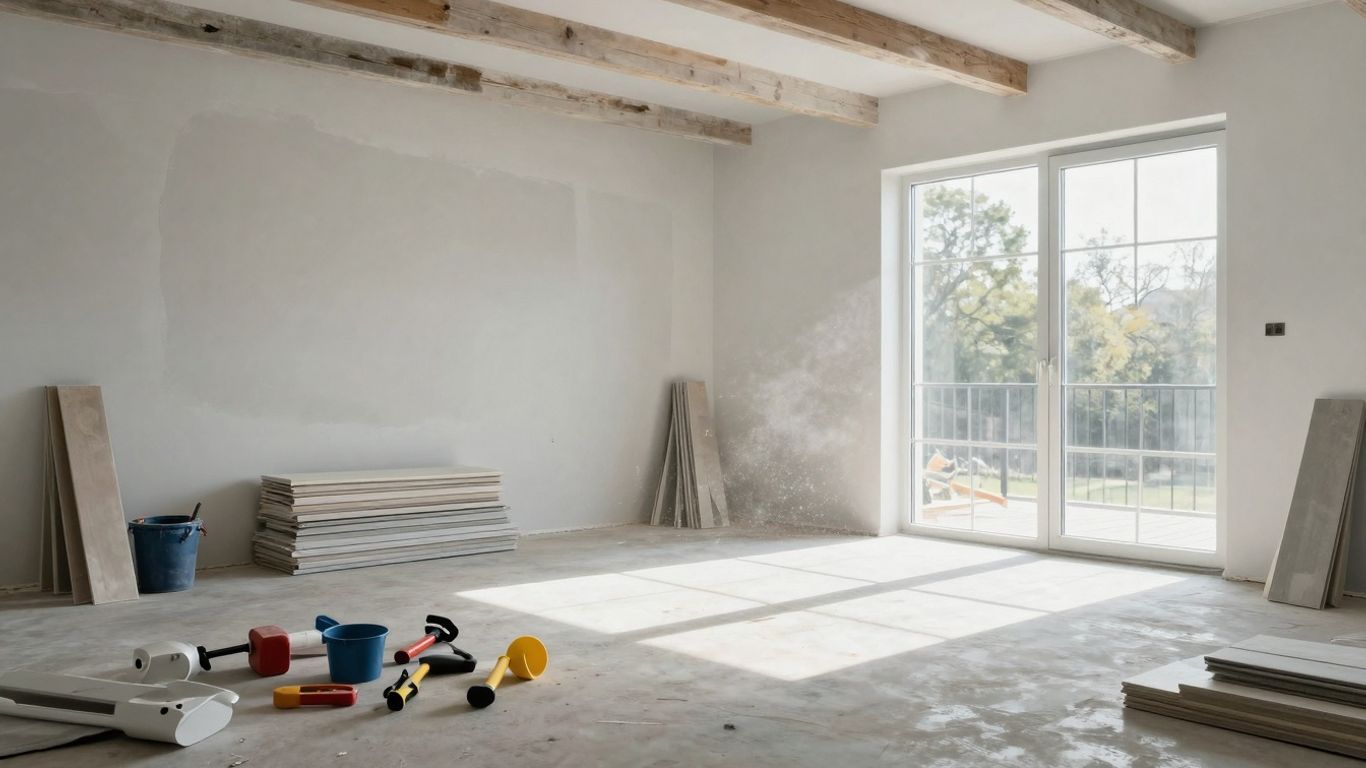
So, you’ve made it through the planning, budgeting, permitting, designing, and overseeing stages of your Montreal or Laval interior renovation. That’s a huge accomplishment! Remember that a well-planned renovation is a journey, not just a destination. It’s about creating a space that works for you and your family, reflecting your style while also being practical.
Think back to those initial ideas you had. Did the final result match up? Often, the reality of a renovation involves some adjustments along the way. Unexpected issues can pop up, and sometimes material availability shifts. That’s why building in that buffer time and budget we talked about earlier is so important. It’s not about expecting the worst, but about being prepared for the normal ebb and flow of a construction project.
Here are a few final thoughts to keep in mind:
- Final Inspection: Before signing off completely, do a thorough walk-through. Check that everything is completed to your satisfaction and matches the agreed-upon plans. Note any minor touch-ups needed.
- Documentation: Keep all your final invoices, warranties, and any manuals for new appliances or fixtures. This will be super helpful down the line if anything needs repair or replacement.
- Enjoy Your Space: The most important step! Take time to actually live in and enjoy the newly renovated area. It’s what you worked so hard for.
Renovating your home is a significant undertaking, but with careful planning and a good team, it can be a rewarding experience. The key is clear communication, realistic expectations, and a bit of patience. You’ve invested time and resources into making your home better, and now it’s time to reap the benefits.
We’ve covered a lot of ground, and we hope this information has been helpful. If you’re ready to start your next project or just want to learn more about what we can do, don’t hesitate to reach out. Visit our website today to get a free quote and see how we can bring your vision to life!
Wrapping Up Your Renovation Journey
So, you’ve made it through the planning stages for your Montreal or Laval home renovation. It might seem like a lot, but remember, taking the time to plan properly now will save you headaches later. Whether you’re dreaming of a spa-like bathroom, a more functional kitchen, or just a fresh new look for your living space, breaking it down step-by-step makes the whole process feel way more manageable. Don’t forget to factor in some wiggle room for unexpected things – they always pop up! With a solid plan and the right help, your dream home is totally within reach. Happy renovating!
Frequently Asked Questions
What are the most common types of home renovations in Montreal and Laval?
People often renovate their kitchens to make them more modern and functional, or bathrooms for a spa-like feel. Basements are also popular for creating extra living space like a home office or a play area. Sometimes, homeowners want to give their whole house a makeover, updating everything at once.
How do I figure out what I can afford for my renovation project?
First, think about what you really need and want to change. Then, look at magazines or online for ideas. After that, research prices for materials and contractors. It’s a good idea to add an extra 20% to your budget, just in case unexpected costs pop up.
Do I need a permit to renovate my home in Quebec?
It depends on the type of work. Simple cosmetic changes like painting usually don’t need a permit. However, if you’re changing the structure of your home, adding an extension, or working on plumbing or electricity, you’ll likely need to get permits from your local city hall. It’s always best to check with them first.
Should I hire a contractor or do some renovation work myself?
For big jobs like structural changes, electrical work, or plumbing, it’s safer and often required to hire licensed professionals. They have the skills and insurance to do the job right. For smaller tasks like painting, laying tiles, or installing simple fixtures, you might be able to do it yourself if you’re comfortable.
What’s the first step in planning a renovation project?
Before anything else, figure out why you want to renovate. Are you looking for more comfort, a new style, or to add value to your home? Once you know your main goals, you can start gathering ideas and looking at what’s possible.
What happens if unexpected problems come up during my renovation?
It’s quite common for renovations to have surprises, like finding hidden damage or dealing with changing material prices. That’s why it’s super important to have a little extra money and time set aside in your budget and schedule. This buffer helps you handle these issues without causing too much stress.