

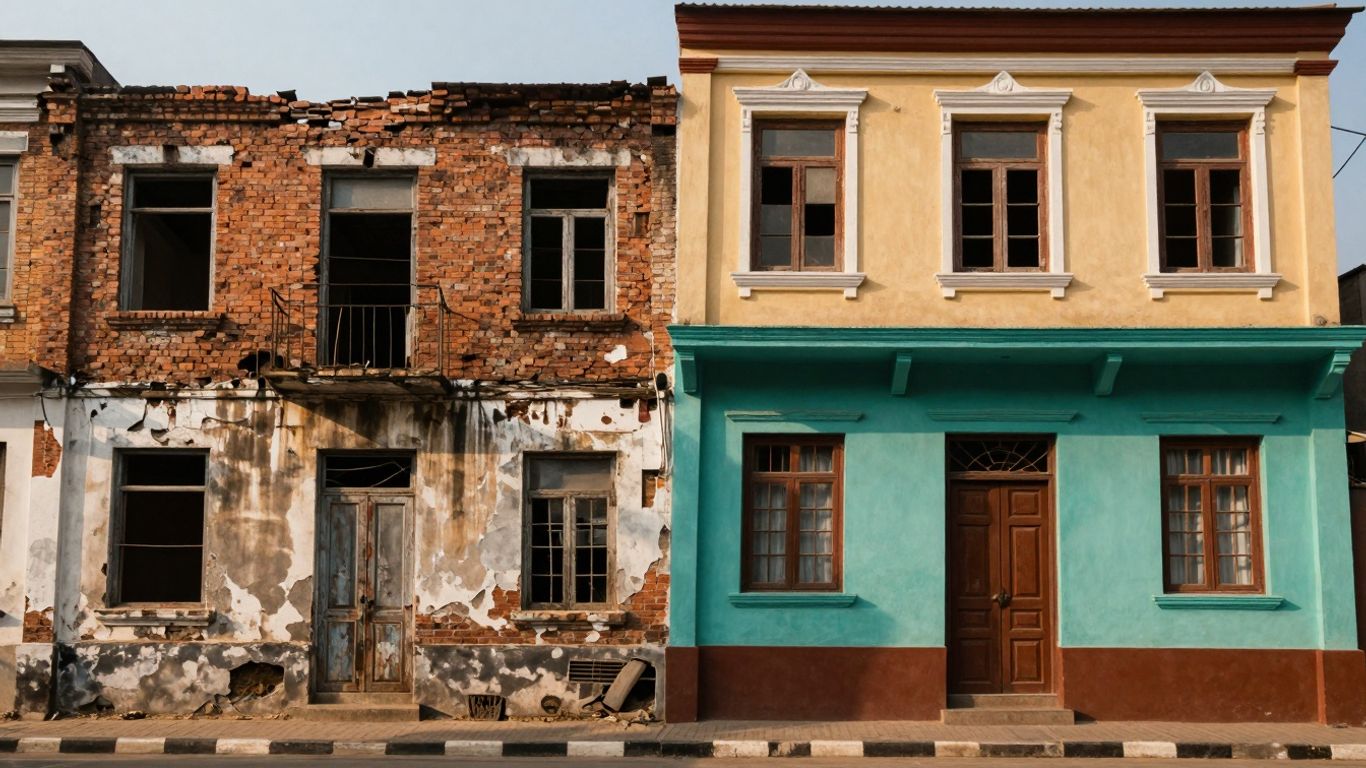
Thinking about fixing up an old place? It’s a big project, for sure. You’re not just slapping on some paint; you’re bringing history back to life. It’s kind of like breathing new air into something that’s been around for ages. It can be super rewarding, but let me tell you, it’s not always a walk in the park. There are definitely things you need to think about before you even pick up a hammer. This guide is here to help you figure out How to Renovate Old Buildings so you don’t end up with more problems than you started with.
Key Takeaways
- Always start by really understanding the building’s history and condition. Get to know its quirks and any hidden issues.
- Make sure you’ve got your funding sorted and all the necessary permits before you begin any work. This avoids big headaches later.
- Finding the right people to help is a big deal. You need folks who know how to work with older structures.
- Plan your renovation carefully, thinking about what needs to be done first, especially structural repairs.
- Try to blend modern comforts with the old-school charm. The goal is a livable home that still feels historic.
Why Renovate Old Buildings?
Thinking about tackling an old building renovation? It’s a big project, for sure, but there are some really good reasons to consider bringing aged structures back to life. It’s not just about slapping on a new coat of paint; it’s about preserving a piece of history and giving a building a new purpose. Whether you’re looking at restoring historic homes or remodeling an old commercial building, the rewards can be pretty significant.
Here are a few key benefits:
- Preserving Architectural Heritage: Old buildings often have unique architectural details and craftsmanship that just aren’t made anymore. Renovating them means keeping that history alive for future generations. It’s about more than just bricks and mortar; it’s about the stories those buildings hold.
- Environmental Benefits: Reusing an existing structure is often more sustainable than building something new from scratch. You’re reducing waste and conserving resources. Plus, updating an old building can make it much more energy-efficient, saving you money in the long run.
- Unique Character and Charm: Let’s face it, old buildings have a certain something about them. They often come with character, charm, and a sense of place that new constructions struggle to replicate. Updating vintage properties can result in a home or business with a distinct personality.
- Potential for Increased Value: A well-executed renovation, especially one that respects the building’s history, can significantly increase its market value. People are often drawn to the unique appeal of older properties.
Renovating an old building is a chance to blend the past with the present. It’s about respecting the original structure while making it functional and beautiful for today’s needs. This approach to old building renovation can create spaces that are both historically rich and modernly comfortable.
When you’re looking at updating vintage properties, remember that the process is about more than just aesthetics. At SKLZ Construction, we focus on understanding the building’s past and planning for its future. This guide, “How to Renovate Old Buildings”, will help you through that process. For those interested in the specifics of older homes, renovating old village homes can be a particularly rewarding endeavor, though it comes with its own set of challenges.
Assessing the Building’s Condition
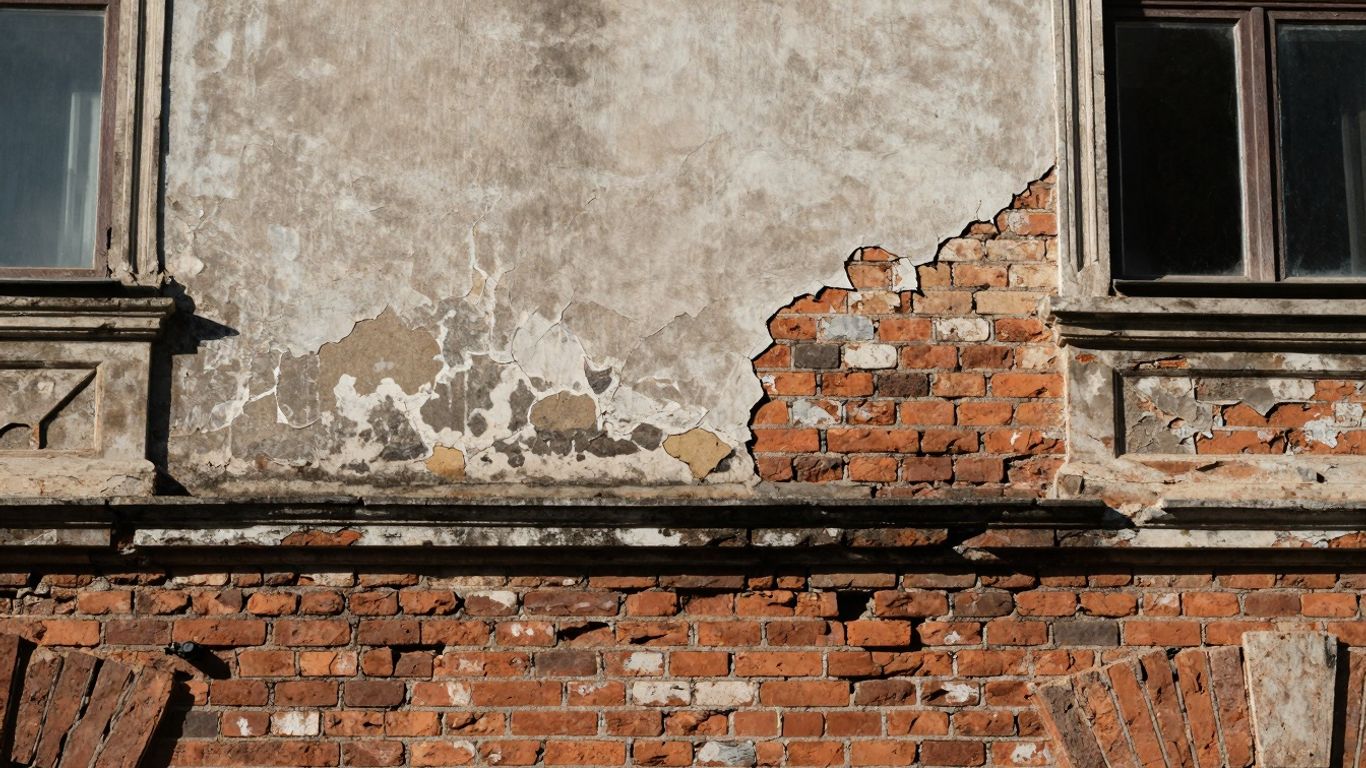
Before you even think about picking out paint colors or new fixtures, you’ve got to get a real handle on what you’re working with. This is probably the most important step, honestly. Ignoring problems now will just lead to bigger headaches and way more cash down the drain later. Think of it like a doctor’s check-up for your house – you need to know what’s going on under the surface.
Structural Integrity Checks
This is where you find out if the bones of the building are sound. You’re looking for any signs of weakness that could cause trouble. This includes checking the foundation – is it cracked, settling, or leaning? Don’t forget to look at the roof, the walls (inside and out), and the floors. Are there any big cracks? Any signs of water damage or mold? Sometimes, the foundation issues are the most expensive to fix, so get a good look at it early on.
Here’s a quick rundown of what to inspect:
- Foundation: Look for cracks, water pooling, or unevenness. A professional might need to do some digging, especially if you suspect major issues.
- Walls: Check for cracks, bowing, or water stains. Pay attention to where walls meet floors and ceilings.
- Roof: Inspect for sagging, missing shingles, or signs of leaks. Water damage here can wreck everything below.
- Floors: Are they level? Any soft spots or signs of rot?
Identifying Potential Hazards (Asbestos, Lead Paint)
Older buildings often come with hidden dangers that you absolutely need to address. The big ones are asbestos and lead paint. Asbestos was used in a lot of building materials for insulation and fireproofing, and lead paint was common before it was banned. Both can be really harmful to your health if disturbed.
- Asbestos: You might find it in insulation, floor tiles, ceiling tiles, and pipe wrap. If you suspect it, don’t try to remove it yourself. Get a certified professional to test and abate it.
- Lead Paint: Common in homes built before 1978. If the paint is chipping or peeling, it can create dust that’s dangerous to inhale or ingest, especially for kids. Again, professionals are best for testing and safe removal.
You’ll want to get a professional inspection for these hazards. They have the right tools and knowledge to identify them safely and tell you the best way to deal with them without making the problem worse. It’s not worth the risk to skip this step.
Don’t forget to check things like the basement for dampness or structural issues, and look closely at the siding for any rot, damage, or missing pieces that could let water in. A thorough assessment now saves you a lot of trouble later.
Understanding Local Regulations and Permits
Alright, so you’re thinking about fixing up an old place. Before you even think about swinging a hammer, you absolutely have to get a handle on the local rules and what permits you’ll need. This isn’t just a suggestion; it’s a major part of the process, and skipping it can lead to some serious headaches, like fines or having to tear down work you already paid for.
Different towns and cities have their own specific requirements, especially when it comes to older buildings. Some areas have historic districts, and these come with their own set of rules designed to keep the neighborhood looking a certain way. You might need to get special approval for things that seem pretity minor, like changing your windows or even the color you paint your house. It’s not just about modern building codes; it’s about preserving the character of the place.
Here’s a quick rundown of what you’ll likely run into:
- Historic Preservation Boards: Check if your property is in a designated historic area. If it is, you’ll probably be dealing with a local historic preservation commission or board. They review plans to make sure renovations fit with the historical look and feel.
- Building Codes: Even old buildings need to meet current safety standards. You’ll need to figure out how to update things like electrical wiring and plumbing to meet today’s codes without messing up the historic charm.
- Permit Applications: You’ll need permits for pretty much any significant work. This can include building permits, demolition permits, and sometimes specific permits for historic renovations. Don’t assume a standard permit covers everything.
- Certificate of Appropriateness (CoA): In many historic districts, you’ll need this before you can even get a regular building permit, especially for exterior work.
The key here is to be proactive. Contact your local planning department or building office early on. Ask them what permits are needed for your specific project and if there are any historic review processes involved. Getting this information upfront can save you a ton of time and money down the road. It’s better to have a few extra conversations now than to face a stop-work order later.
Sometimes, you might need to get architectural drawings or even recreate old blueprints if they’re lost. This helps show the authorities what you’re planning and how it respects the original structure. It might seem like a lot of paperwork, but it’s all part of making sure your renovation is done right and stays on the right side of the law.
Developing a Renovation Plan and Budget
Alright, so you’ve got this old place and you’re ready to make it shine. Before you even think about picking out new tiles for the Kitchen or deciding if you need new Bathroom fixtures, you absolutely need a solid plan and a realistic budget. This isn’t just about slapping some paint on the walls; it’s about making sure the whole project makes sense financially and practically.
Prioritizing Renovation Tasks
When you’re dealing with an older building, things can get complicated fast. You can’t just jump into the fun stuff. You’ve got to figure out what’s most important. Think about it like this:
- Structural Integrity First: Seriously, this is non-negotiable. If the foundation is shaky or the roof is about to give out, all the fancy new Kitchen cabinets in the world won’t matter. You need to address any major structural issues before anything else. This might mean reinforcing walls, fixing the foundation, or dealing with sagging beams. It’s the backbone of your whole project.
- Essential Systems: Next up are the things you can’t see but definitely need to work. We’re talking about plumbing, electrical wiring, and HVAC. Old systems can be a fire hazard or just incredibly inefficient. Upgrading these is key to making the house safe and comfortable.
- Functional Areas: Once the bones are good and the systems are updated, you can focus on areas that are critical for daily living. This is where you’d tackle major Kitchen or Bathroom renovations. These rooms often have the biggest impact on your quality of life and the home’s value.
- Aesthetic Improvements: Finally, you get to the cosmetic stuff. This includes things like new flooring, paint, lighting fixtures, and maybe even adding a new Deck. These are the finishing touches that make the house look great.
Remember, old houses have a way of surprising you. You might find hidden water damage, outdated wiring you didn’t expect, or structural quirks that need special attention. Always build in some wiggle room in your timeline and budget for these unexpected discoveries. It’s better to be prepared than to have your project stall because of a surprise.
Securing Funding and Financing
Let’s talk money. Renovating an old building can get expensive, and costs can add up quickly. Gut renovations typically range from $400–$600 per square foot for mid-range projects and $600–$800+ per square foot for high-end projects. These figures can change based on where you are and the complexity of the work. You need to know how you’re going to pay for it all.
- Estimate Costs Accurately: Get detailed quotes from contractors for each part of the job. Don’t forget to factor in costs for things like permits. For example, if you’re planning significant changes, you’ll likely need a permit for interior renovations, and specific rules might apply, like needing a permit in Montreal for renovation projects if that’s where you are.
- Contingency Fund: This is super important. Aim to set aside at least 15-25% of your total estimated cost for unexpected issues. You might need to call in specialized help, like Deck Builders if your existing one is beyond repair, or deal with unforeseen problems behind the walls.
- Explore Financing Options: Look into savings, home equity loans, or personal loans. Sometimes, there are also grants or tax incentives available for renovating older or historic properties, so it’s worth checking with your local authorities.
Having a clear budget and a plan for how you’ll fund the work will save you a lot of stress down the line. It helps you make smart decisions and keeps the project moving forward without hitting major financial roadblocks.
Choosing the Right Professionals
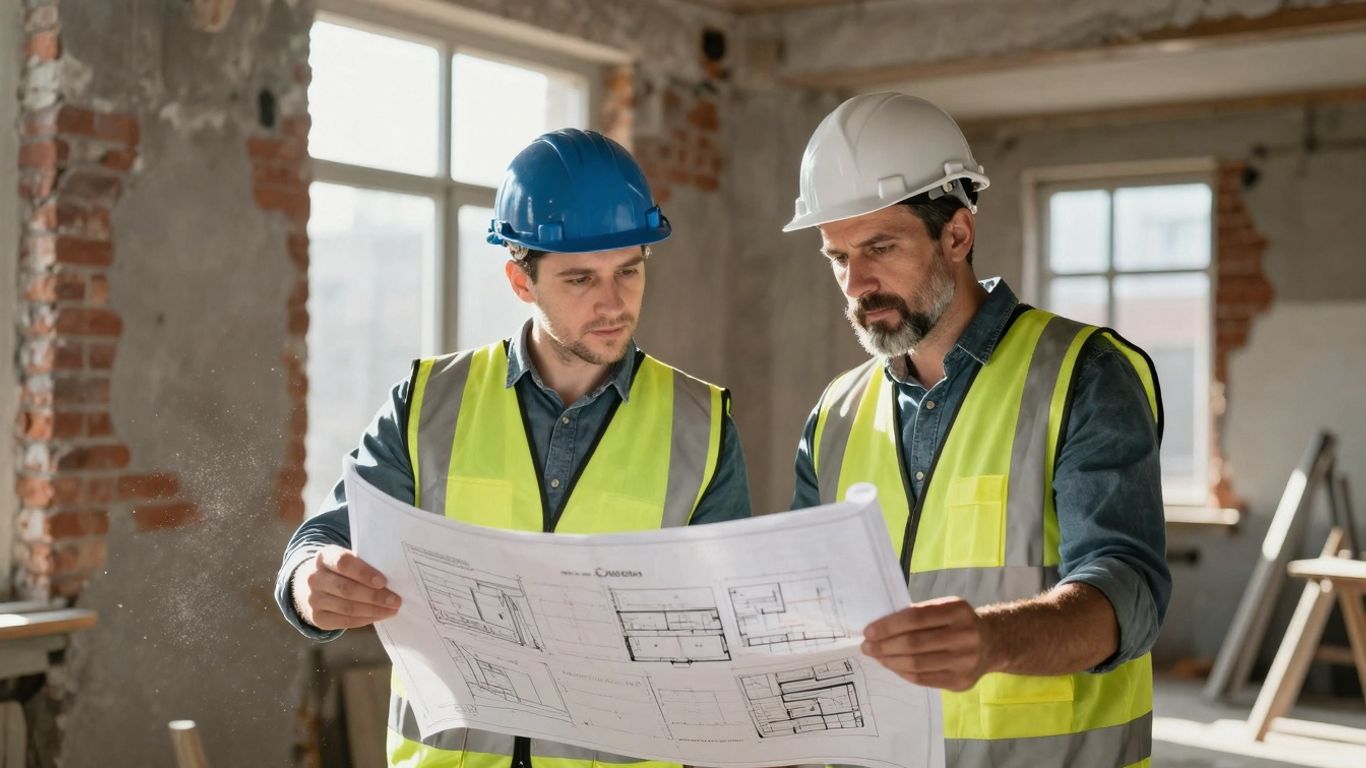
Okay, so you’ve got a vision for your old place, and you’ve figured out what needs doing. Now comes the really important part: who’s going to actually do the work? Picking the right people can make or break your renovation. It’s not like just hiring someone to paint your fence; these folks are going to be messing with the bones of your house, so you need to be smart about it.
First off, you absolutely need a good Contractor. Think of them as the general manager for your project. They’ll be coordinating everything, from ordering materials to scheduling the different tradespeople. A bad contractor can lead to delays, cost overruns, and a whole lot of stress. So, how do you find a good one?
- Ask for Recommendations: Talk to friends, family, or neighbors who’ve had similar work done. Personal experiences are gold.
- Check Their Experience: Make sure they’ve actually worked on old buildings before. These places have quirks that newer homes just don’t. They need to know about old plumbing, wiring, and structural stuff.
- Get Multiple Bids: Don’t just go with the first person you talk to. Get at least three detailed quotes. This helps you compare prices and see who seems to understand your project best.
- Look at Their Portfolio: Ask to see pictures of past projects, especially ones that are similar to yours.
Beyond the main contractor, you’ll likely need specialists like electricians, plumbers, and maybe even a structural engineer or an architect who knows old buildings. It’s often best if your contractor can recommend reliable people they’ve worked with before. This can make communication and scheduling a lot smoother.
When you’re interviewing potential professionals, don’t be afraid to ask a lot of questions. How do they handle unexpected issues? What’s their communication style? What kind of warranty do they offer on their work? Getting clear answers upfront can save you a lot of headaches down the road. It’s about building trust, just as much as it is about finding someone skilled.
The Renovation Process: Key Stages
So, you’ve got the permits, the budget is set, and you’ve picked your team. Now comes the actual work. Renovations on older buildings aren’t quite like building from scratch; they’re more like a careful dance between preserving the past and making things work for today. It’s a two-part story, really: getting the old stuff out of the way and then putting the new, improved stuff in.
Demolition and Preparation
This is where things start to get messy, but it’s a necessary mess. Before you can build up, you’ve got to clear out what’s no longer needed or what’s causing problems. Think of it as peeling back the layers of time.
- Careful deconstruction: Instead of just smashing everything, we often need to carefully take things apart. This is especially true if there are original features you want to salvage, like old trim, doors, or even intact sections of plasterwork. It’s not just about removal; it’s about selective deconstruction.
- Hazardous material abatement: Old buildings can hide nasty surprises like asbestos or lead paint. These need to be identified and removed safely by professionals before any other work begins. This is a big one for safety and legal reasons.
- Structural assessment confirmation: While you did this earlier, demolition often reveals more. You might find hidden rot, pest damage, or structural weaknesses that weren’t visible before. This is the time to confirm those issues and plan for repairs.
This phase is all about making the space ready for its new life. It’s dirty, it’s noisy, and it often uncovers more work than you initially planned for. But getting this stage right sets the foundation for everything that follows.
Restoration and Modernization
Once the old is cleared out and the structure is sound, it’s time to bring the building into the present while respecting its history. This is where the vision starts to take shape.
- Structural repairs and reinforcement: This is the backbone. Fixing sagging beams, reinforcing foundations, or updating outdated electrical and plumbing systems are critical. These are the jobs that ensure the building is safe and functional for decades to come.
- Preserving historical elements: This could mean repairing original windows, restoring ornate plasterwork, or bringing back the shine to old hardwood floors. The goal is to keep the character that makes the building special.
- Integrating modern systems: This is where you add the conveniences of modern living. Think updated HVAC systems, energy-efficient windows (if the originals can’t be restored), modern kitchens and bathrooms, and updated electrical wiring to handle today’s power needs. The trick is to make these additions blend in without looking out of place.
| Feature | Restoration Approach | Modernization Approach |
|---|---|---|
| Plumbing | Repair/replace with period-appropriate materials | Install new, efficient pipes and fixtures |
| Electrical | Assess and upgrade wiring for safety and capacity | Install new circuits, outlets, and smart home tech |
| Insulation | Use period-appropriate materials where possible | Add modern insulation for energy efficiency |
| Windows | Repair original frames and glass, or replicate | Install new, energy-efficient windows, matching style |
Conclusion
So, you’ve made it through the whole process of renovating an old building. It’s a big job, no doubt about it. You’ve checked the structure, dealt with permits, planned your budget, hired people, and overseen the actual work. It’s a lot to handle.
The real reward comes when you see that old place brought back to life, ready for a new chapter. It’s not just about fixing things up; it’s about preserving a piece of history and making it useful again. Think about it – you’re taking something that might have been falling apart and turning it into something special, something with character that you just don’t find in new builds.
Here are a few things to keep in mind as you wrap things up:
- Final Inspections: Always do a final walkthrough. Check that all the work is done to your satisfaction and meets any building codes or permit requirements.
- Documentation: Keep all your receipts, permits, and warranties. This is super important for future reference or if you ever decide to sell.
- Maintenance Plan: Old buildings need a bit of extra care. Think about a simple plan for ongoing maintenance to keep your hard work looking good for years.
Renovating an old building is a journey. It tests your patience and your problem-solving skills. But when it’s all said and done, you’ve not only created a beautiful space but also contributed to keeping a piece of the past alive for future generations. It’s a pretty cool feeling, honestly.
We’ve wrapped up our discussion. If you’re ready to start your next project or just want to learn more about what we can do, head over to our website. We’re excited to help you bring your ideas to life!
Wrapping It Up
So, there you have it. Bringing an old building back to life is a big job, for sure. It takes patience, a good plan, and the right people to help. You’re not just fixing up a house; you’re keeping a piece of history alive while making it work for today. It’s a lot of work, and sometimes things pop up that you didn’t expect, but seeing that old place shine again, with all its original character intact but updated for modern living? That’s a pretty great feeling. It’s a challenge, but one that’s totally worth it in the end.
Frequently Asked Questions
Why should I think about renovating an old building instead of building new?
Old buildings have a special charm and history that new ones just can’t match. Renovating saves old structures from being torn down, which is good for the environment. Plus, many old buildings have unique details and solid construction that are hard to find or expensive to recreate today. It’s like giving a piece of history a new life!
What’s the very first thing I need to do before starting a renovation?
Before you even think about hammers and paint, you absolutely must do your homework. This means digging into the building’s history to understand its original design and important features. Also, check if the building has any special historical status, as this can affect what you’re allowed to change. Knowing the building’s story helps you make smart choices throughout the project.
How do I figure out how much money I’ll need for this project?
Creating a budget is super important, and you need to be realistic. Historic renovations can be pricey because you might need special materials or face unexpected issues. Always add extra money to your budget for surprises – they almost always pop up! Look into any grants or special programs that might help with the costs, especially if you’re trying to preserve historical details.
What kind of professionals should I hire for an old building project?
You’ll want to hire people who know their stuff when it comes to old buildings. This means contractors, architects, and craftspeople who have experience with historic homes. They understand the unique challenges, like dealing with old materials or specific building codes for older structures. A good team is key to making sure the job is done right and the building’s character is kept safe.
What are some common problems I might run into during the renovation?
Old buildings can have hidden issues like old wiring, plumbing problems, or even structural weaknesses you didn’t see at first. You might also discover things like asbestos or lead paint, which need to be handled carefully. Plus, getting all the necessary permits and approvals from local authorities can take time and effort. It’s a good idea to expect the unexpected!
How can I update an old building without losing its historic feel?
This is the art of renovation! The goal is to blend old and new. You can add modern comforts like better insulation, updated electrical systems, or new kitchens and bathrooms, but do it in a way that respects the original style. Think about using materials that match the era or hiding modern tech behind original features. It’s all about making the space livable for today while honoring its past.
