
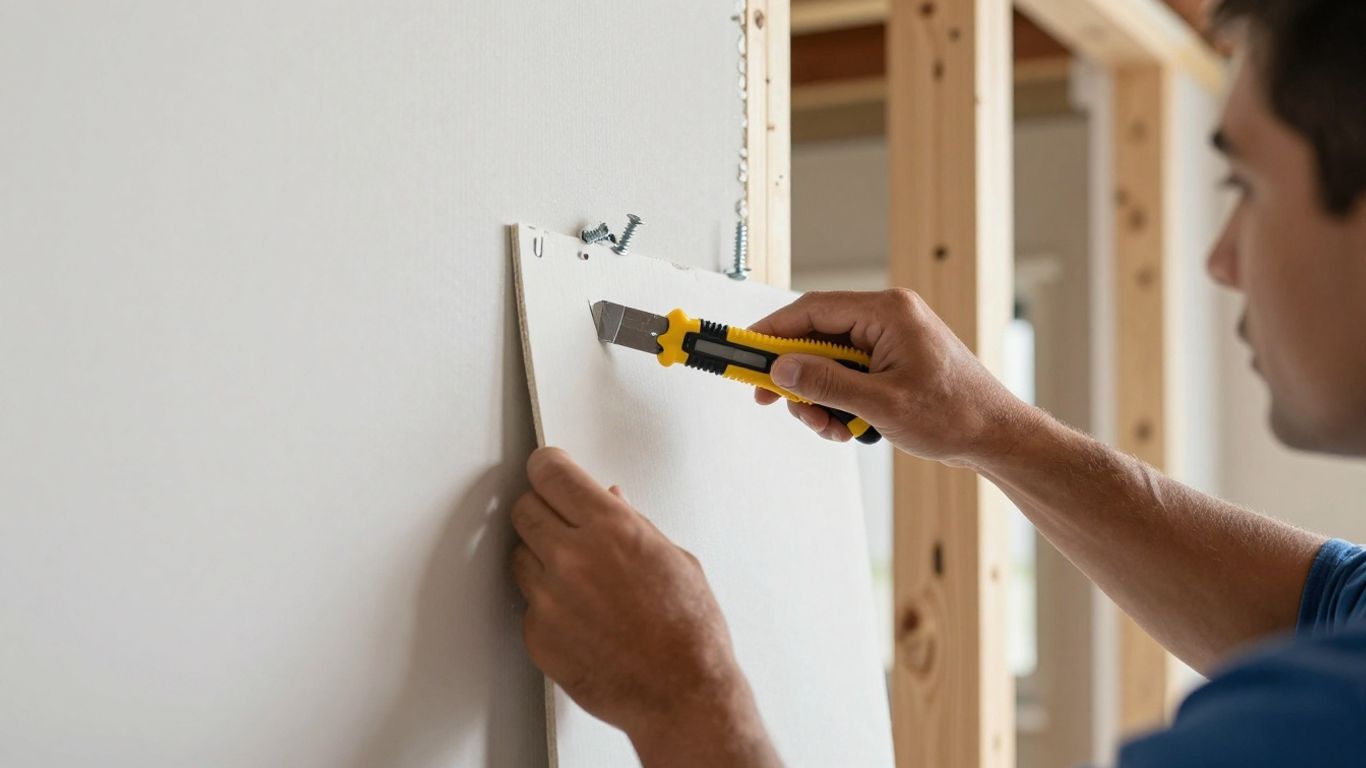
So, you’re thinking about tackling drywall installation yourself? Maybe you’re in Montreal and looking to spruce up your place. It can seem like a big job, and honestly, it is. But with a little patience and the right steps, you can get those walls looking pretty darn good. We’re going to walk through the whole process, from getting your tools ready to the final sanding, so you can feel more confident about your drywall installation project.
Key Takeaways
- Before you start, make sure your wall framing is straight and solid. Any wonky studs or uneven surfaces will make hanging drywall a real headache.
- Measure your spaces carefully before cutting. Remember to leave a small gap at the bottom of the sheets where they meet the floor.
- When hanging drywall, keep a small gap between sheets for expansion. Stagger your seams on long walls to avoid issues.
- Taping and mudding take time. Apply thin coats, let them dry completely, and feather the edges to make sanding easier.
- Sanding is important for a smooth finish, but wear a mask. After sanding, prime the walls before painting.
What Drywall Is and Why It’s Important
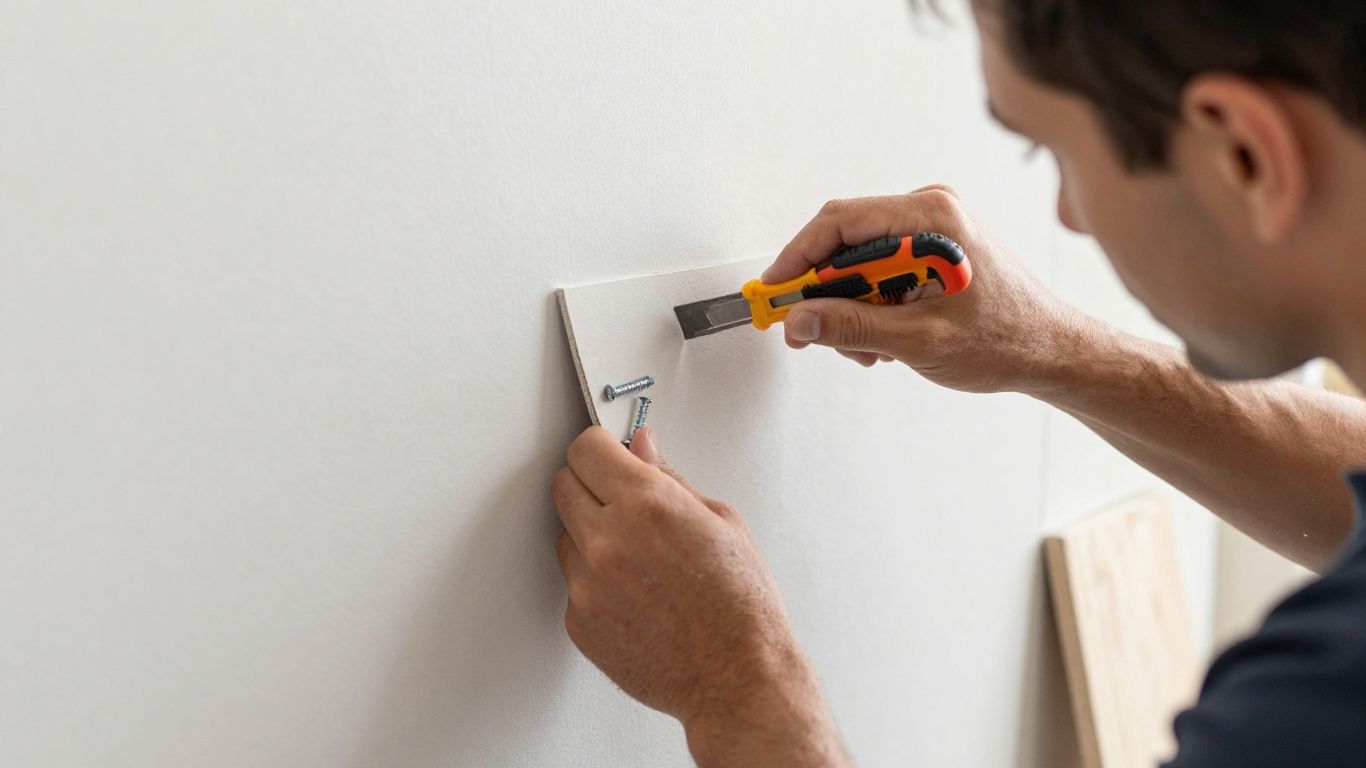
So, you’re looking to put up some new walls or maybe fix up an old ceiling? You’ve probably heard the term ‘drywall’ thrown around. It’s basically those big, flat panels you see in pretty much every house built in the last century. They’re made by sandwiching a layer of gypsum plaster between two sheets of heavy paper. Think of it like a really sturdy, flat sandwich for your walls.
Essential Tools for Drywall Installation Montreal
Before you even think about hanging a sheet, you’ll need a few things. It’s not a ton of fancy equipment, thankfully. You’ll want a good tape measure, a utility knife or drywall saw for cutting, a T-square for straight lines, and a chalk line to mark things out. For putting the sheets up, a drill with screw bits is a must, and some people like a special drywall screw gun. Don’t forget safety glasses – gypsum dust isn’t fun to breathe in. A step ladder or sturdy chair will also be handy for reaching those higher spots.
Types of Drywall and Their Uses
Not all drywall is created equal, though it might look that way at first glance. The most common type is standard drywall, good for most rooms. Then there’s moisture-resistant drywall, often with a green paper facing, which is a smart choice for bathrooms where things might get a bit steamy. You can also find fire-resistant drywall, which has additives to help slow down a fire – a good idea for basements or garages. For really specific jobs, like curved walls or covering up old plaster, there’s thinner drywall, sometimes just 1/4 inch thick. The standard stuff is usually 1/2 inch or 5/8 inch, with the thicker one offering a bit more sound dampening and rigidity.
Drywall really changed how we build interiors. It’s cheaper and way faster to put up than old-school plaster, and it gives you a smooth surface that’s ready for paint or wallpaper almost immediately. Plus, it’s pretty fire-resistant, which is always a good thing.
Here’s a quick look at common drywall thicknesses:
- 1/4 inch: Best for curves and covering existing walls.
- 3/8 inch: A good all-around choice for walls.
- 1/2 inch: Standard for walls and ceilings, offers decent rigidity.
- 5/8 inch: Heavier, provides better soundproofing and fire resistance, often used for ceilings or shared walls.
Preparation is Key: Before You Hang
Alright, before we get to the fun part of actually putting up the drywall sheets, there’s a bit of groundwork to do. Think of it like getting your ingredients ready before you start cooking – you don’t want to be scrambling for a measuring tape when you’ve already got the oven on, right? This prep stage is super important for making sure everything goes smoothly and your walls end up looking great.
Measuring and Cutting Drywall Sheets
This is where you get to play architect a little bit. You’ll need to figure out exactly how much drywall you need and how to cut it to fit your space. It’s not just about covering the studs; you’ve got to account for windows, doors, and those tricky inside and outside corners. Getting your measurements right the first time saves you a ton of headaches later on.
Here’s a quick rundown on how to approach it:
- Measure Twice, Cut Once: Seriously, this old saying is gold. Measure the area you need to cover, then measure it again. Note down any openings like windows or doors.
- Drywall Thickness Matters: Before you buy, check what thickness your existing drywall is, if any. The most common are 3/8-inch and 1/2-inch, but there are others. You’ll want to match it if you’re patching, or choose the right one for new walls. Thicker sheets offer more soundproofing.
- Cutting Techniques: For straight cuts, a utility knife and a straight edge work wonders. For more complex shapes, like around outlets or windows, you might need a drywall saw or even a jigsaw. Always cut on the ‘good’ side of the drywall to keep the face paper intact.
- Handling Large Sheets: Drywall comes in big sheets, usually 4×8 feet or larger. If you’re working alone, consider getting smaller sheets or having a helper. Trying to wrestle a giant sheet into place by yourself can be a real struggle.
Remember to leave a small gap, about 1/2 inch, between the bottom of the drywall sheet and the floor. This helps prevent moisture damage if there’s ever a spill and allows for natural expansion and contraction of the house materials.
Framing Considerations for Drywall
Your drywall sheets need something to hold onto, and that’s where the framing comes in. Whether you’re working with existing walls or building new ones, the framing needs to be solid and properly spaced. This isn’t just about making sure the wall doesn’t fall down; it directly impacts how your drywall sits and how easy it is to hang.
- Stud Spacing: Standard practice is to space your wall studs either 16 inches or 24 inches apart on center. This spacing is designed to work with the standard dimensions of drywall sheets, minimizing waste and providing good support.
- Level and Plumb: Make sure your studs are perfectly vertical (plumb) and that your top and bottom plates are level. Any crookedness in the framing will show up in your finished wall, making it look wavy or uneven.
- Obstructions: Keep an eye out for any electrical wiring or plumbing pipes that run through your studs. You’ll need to make sure these are properly protected, often with metal plates, before you hang the drywall over them. You don’t want to accidentally put a screw right through a wire!
- Inside and Outside Corners: Pay attention to how your framing meets at corners. For inside corners, you’ll typically have two studs meeting. For outside corners, you’ll have a corner stud that provides a surface for the drywall to attach to on both sides. Proper framing here makes taping and finishing much simpler.
The Drywall Hanging Process
Alright, so you’ve got your walls prepped, measured, and cut. Now comes the part where we actually get these sheets up on the studs. This is where things start looking like a real wall, and honestly, it’s pretty satisfying. This step is all about getting the drywall installation done right, so the rest of the process, like how to finish drywall, goes smoothly.
Securing Drywall Sheets
This is where the rubber meets the road, or rather, the screws meet the studs. You’ve got your drywall sheets ready to go. Remember that gap we talked about? Make sure you leave about a half-inch gap at the floor. This is super important for letting the wall expand and contract, and it’s a lifesaver if you ever have a little water situation on the floor. It’s a small detail, but it makes a big difference in the long run for DIY wall paneling.
Here’s a quick rundown of how to get those sheets secured:
- Apply Adhesive: Before you lift the sheet, put some drywall adhesive on the studs. This helps prevent popped screws later on. Think of it as extra insurance for your work.
- Position the First Sheet: Start with a full sheet, usually horizontally. Line it up with the studs. You might need a helper for this, especially with larger sheets. It’s not always easy to do this solo.
- Fasten with Screws: Now, grab your drywall screws. You want to drive them in every 12 to 16 inches along the studs. Don’t sink the screw heads too deep – just enough so they dimple the paper surface slightly. Over-driving can tear the paper, which is a pain to fix.
- Cutouts for Openings: If you have windows or doors, you’ll need to cut out those sections. It’s best to hang the sheet first and then carefully cut out the opening with a drywall saw. Try to avoid having a seam right at the corner of a window or door frame; this can lead to cracks down the line.
- Inside and Outside Corners: For inside corners, don’t push the sheets too tightly together. Leave a small gap, maybe 1/8 inch. This prevents the drywall from crumbling when it expands. For outside corners, let one sheet overlap the corner slightly, then hang the adjacent sheet so it butts up against the overhang. You’ll trim the excess later.
Working with drywall, especially for the first time, can feel a bit daunting. It’s heavy, it can be awkward to handle, and getting those cuts just right takes practice. But remember, this material is forgiving. Small mistakes can usually be fixed with a bit of mud later on. The goal here is to get the sheets up securely and with as few gaps as possible. Don’t stress too much about perfection at this stage; that’s what the taping and mudding are for.
This process applies whether you’re doing a whole room or just a small section, like in a Bathroom. Installing plasterboard might seem like a big job, but taking it one step at a time makes it manageable. Once all the sheets are up and screwed in, you’ve completed a major part of your Drywall Installation project.
Taping and Mudding for Seamless Joints
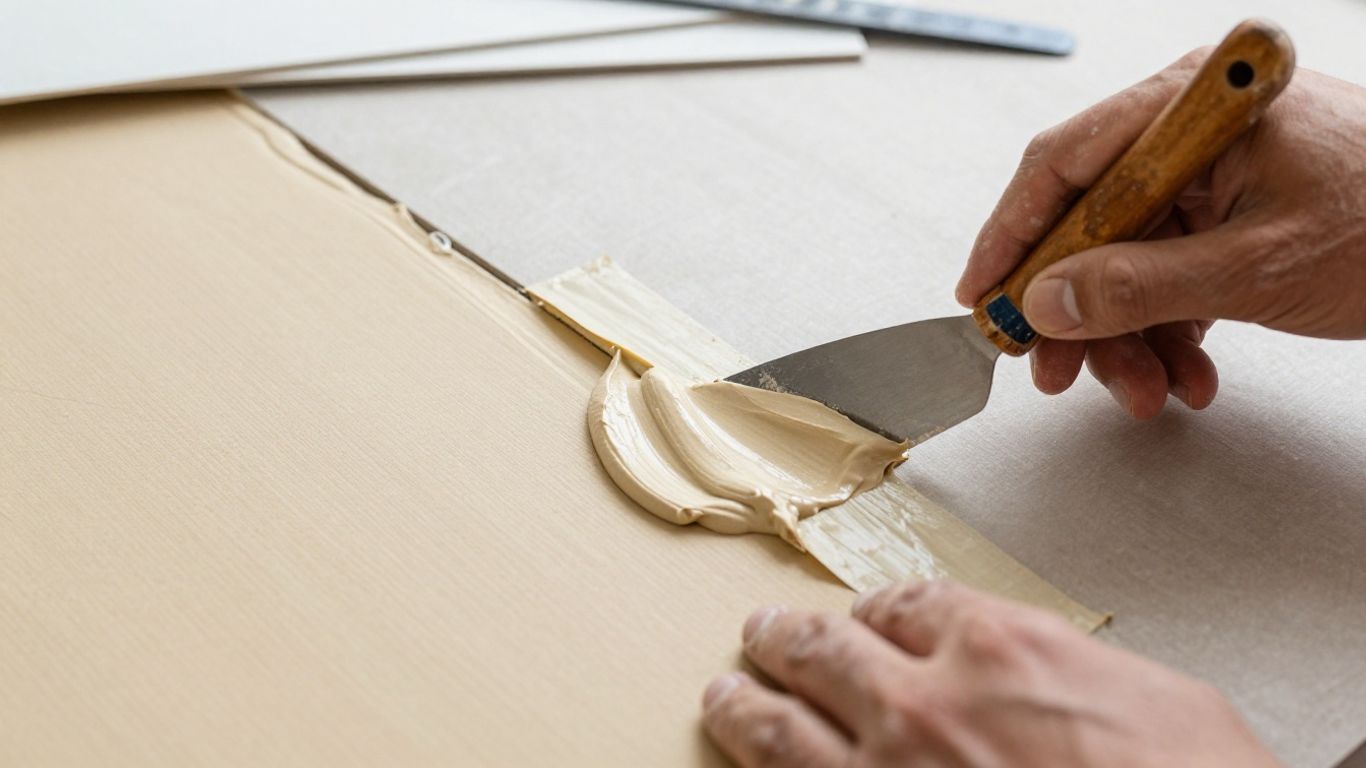
Alright, so you’ve got your drywall sheets up on the wall. Now comes the part that really makes it look like a professional job: taping and mudding. This is where you hide all those seams and screw holes, turning a bunch of separate boards into one smooth surface. It might seem a little tricky at first, but take your time, and you’ll get there. This is especially important if you’re finishing a Basement, where you want everything to look clean and finished.
Applying Joint Tape
First things first, you need to cover those joints where two pieces of drywall meet. You’ve got a couple of options for tape. Paper tape is pretty common and works well, especially in corners. You can also get mesh tape, which some folks find easier to work with because it sticks on its own. Whichever you choose, the idea is to cover the seam completely.
- For flat seams: Apply a thin layer of joint compound (we call it ‘mud’) over the seam. Then, press your tape firmly into the wet mud. Use a drywall knife to smooth out any excess mud and air bubbles. You want the tape to be fully embedded.
- For inside corners: Fold the tape down the middle and press it into the corner, mudding both sides. Again, use your knife to get a clean line.
- For screw or nail holes: Just dab a bit of mud over each one. Don’t go too crazy, just enough to cover it.
This initial taping step is all about getting a solid base. Don’t worry too much about it being perfectly smooth yet. The main goal is to get the tape to stick and cover the gaps.
The Art of Mudding: Multiple Coats
Now that your tape is in place, it’s time for the mudding. This isn’t a one-and-done deal; you’ll need a few coats to get that smooth finish. Each coat builds on the last, filling in any low spots and feathering out the edges so they blend into the wall.
- First Coat: After taping, apply a thin coat of joint compound over the tape and fasteners. Use a wider knife than you used for taping. The goal here is to cover the tape and start smoothing things out. Let this coat dry completely. This can take several hours, or even overnight, depending on humidity.
- Second Coat: Once the first coat is dry, apply another layer of mud. This time, spread it a bit wider than the first coat. Feather the edges out so they blend nicely with the surrounding drywall. Again, let it dry fully.
- Third Coat (if needed): For really flat walls, you might need a third coat. This one is usually applied even wider and thinner, just to catch any minor imperfections and make sure the transition from the seam to the wall is invisible. Let it dry.
Remember, the key to good mudding is patience. Let each coat dry properly before moving on. Trying to rush it will only lead to more work later. You’re aiming for a surface that feels smooth to the touch, with no bumps or ridges, ready for sanding and priming.
Finishing Touches: Sanding and Priming
Alright, so you’ve gotten all the mudding done, and it’s finally dried. This is where things start to look like a real wall, not just a patched-up mess. The next big step is sanding. You’ll want to grab some fine-grit sandpaper, maybe around 120-grit, or even a sanding pole if you have a lot of wall space. The goal here is to knock down any high spots, bumps, or ridges left from the mudding process. It’s all about getting that surface super smooth so your paint looks good. Don’t go too crazy, though; you’re not trying to take off a ton of material, just level things out.
After you’ve sanded everything, you’ll notice a fine dust coating everything. Seriously, it gets everywhere, especially if you’re working in a Kitchen area. It’s a good idea to wipe down the walls with a damp cloth or sponge to get rid of all that dust. You can also use a shop vac with a brush attachment. This prep work is super important because any dust left behind will show up under the paint.
Once the walls are clean and dust-free, it’s time to prime. You need a good quality drywall primer. This stuff seals the surface, making sure your paint adheres properly and that the different textures of the drywall paper and the joint compound absorb paint evenly. Without primer, you might end up with shiny spots or patches that look darker than others.
Here’s a quick rundown of what to do:
- Sanding: Use fine-grit sandpaper (120-150 grit) to smooth out imperfections. A sanding pole can make this easier for large areas.
- Cleaning: Wipe down all walls thoroughly to remove dust. A damp cloth or sponge works well.
- Priming: Apply a thin, even coat of drywall primer. Let it dry completely according to the manufacturer’s instructions.
Remember, sanding creates a lot of dust. It’s wise to wear a dust mask and safety glasses, and maybe even cover up doorways with plastic sheeting to keep the dust from spreading to other rooms. Open windows for ventilation if you can.
After the primer is dry, you’re ready for paint. You might need two coats of your final paint color, depending on the shade you choose. But with good sanding and priming, that paint job will look professional and last for years.
Conclusion
So, you’ve made it through the whole process of putting up drywall. It’s a big job, no doubt about it, and seeing those bare studs turn into smooth, ready-to-paint walls is pretty satisfying. Remember, the key to a great finish really comes down to how well you prep and how patient you are with the taping and mudding stages. Don’t rush that part; it’s where the magic happens (or doesn’t, if you’re in a hurry).
Taking your time with each coat of joint compound and proper sanding makes all the difference. It’s not just about covering up the seams; it’s about creating a surface that looks like it was always meant to be there. If you’re feeling good about this, you might even consider tackling some advanced techniques down the line, like texturing or even looking into soundproofing options if your space needs it.
Here’s a quick recap of what we covered:
- Preparation: Getting your measurements right and checking your framing is step one.
- Hanging: Securing the sheets properly, making sure they’re snug against the studs.
- Finishing: The multi-step process of taping, mudding, and sanding for those invisible joints.
- Final Touches: Sanding again until it’s perfectly smooth, then priming.
This whole project, from start to finish, really shows how much careful work goes into creating the interior surfaces of our homes. It’s a skill that, with practice, anyone can get better at, leading to a much more polished look for your living space. Don’t forget that proper wall preparation is just as important as the hanging itself.
If you’ve followed along, you should now have a much better idea of what it takes to get those perfect walls. It might seem like a lot, but breaking it down step-by-step makes it manageable. Happy building!
In conclusion, we’ve covered the key aspects of our services. If you’re ready to start your next project or have questions, don’t hesitate to reach out. Visit our website today to learn more and get a free quote!
Frequently Asked Questions
What exactly is drywall and why is it so common?
Drywall, also called gypsum board or sheetrock, is a building material used to create smooth walls and ceilings inside homes and buildings. It’s super popular because it’s not too expensive, pretty easy to put up, and can be finished in lots of different ways to look nice. Plus, some types can even help with fire safety and blocking out noise.
What tools do I absolutely need to hang drywall?
To get started with drywall, you’ll need some basic tools. Think of a sharp utility knife for cutting, a T-square to help make straight lines, a drill with special bits for driving screws, a putty knife or drywall knives of different sizes for applying the joint compound, and sandpaper for smoothing. Don’t forget safety glasses!
How do I make sure my drywall sheets fit perfectly?
Measuring is key! Always measure the space where the drywall will go. When cutting, remember to leave a small gap (about half an inch) at the bottom where the wall meets the floor. This helps prevent damage from bumps and allows for the material to expand or shrink a little. Also, plan your cuts to avoid having too many seams, especially around windows and doors.
What’s the deal with taping and mudding the seams?
Taping and mudding are what make your walls look smooth instead of showing where the drywall sheets meet. You’ll put a special tape over the seams and then cover it with a few layers of ‘mud,’ which is joint compound. Each layer needs to dry completely before you sand it smooth and add the next one. This process hides the seams and screw holes.
How many coats of joint compound do I need?
Typically, you’ll need at least three coats of joint compound. The first coat goes over the tape to secure it. The second coat covers the first and helps to smooth things out. The final coat is for making everything perfectly flat and ready for paint. It’s important to let each coat dry fully before moving on.
What’s the difference between drywall tape and joint compound?
Joint compound, often called ‘mud,’ is the paste-like material that you spread over the seams and screw holes. Drywall tape is a special paper or mesh strip that you press into the wet mud over the seams. The tape reinforces the joint, and the mud holds the tape in place and fills in any gaps, creating a smooth surface once dried and sanded.