
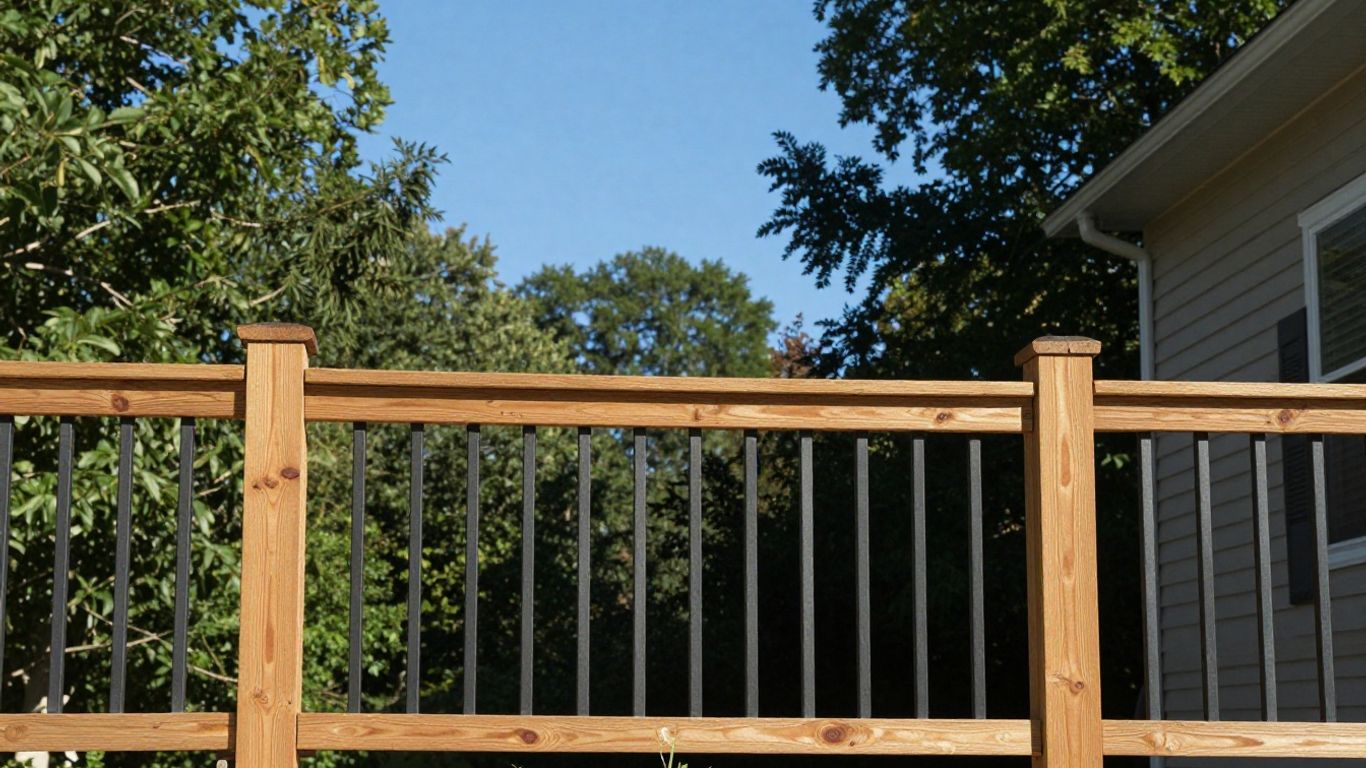
Thinking about upgrading your outdoor space in Montreal or Laval? A solid deck railing isn’t just about looks; it’s about safety and making sure your deck is usable for years to come. This guide will walk you through everything you need to know about deck railing installation in Montreal & Laval, from picking the right materials to understanding local rules. We’ll cover what you need to consider so you can enjoy your deck worry-free.
Key Takeaways
- Understanding the basics of deck railing installation in Montreal & Laval is the first step for homeowners.
- Choosing the right type of deck railing for your home, considering Montreal’s climate, is important.
- Following proper installation steps and adhering to building codes in Montreal & Laval ensures safety and compliance.
- Knowing when to repair versus replace existing deck railings can save time and money.
- Regular maintenance after deck railing installation will help keep your deck looking good and functioning well.
What Is Deck Railing Installation Montreal & Laval ?
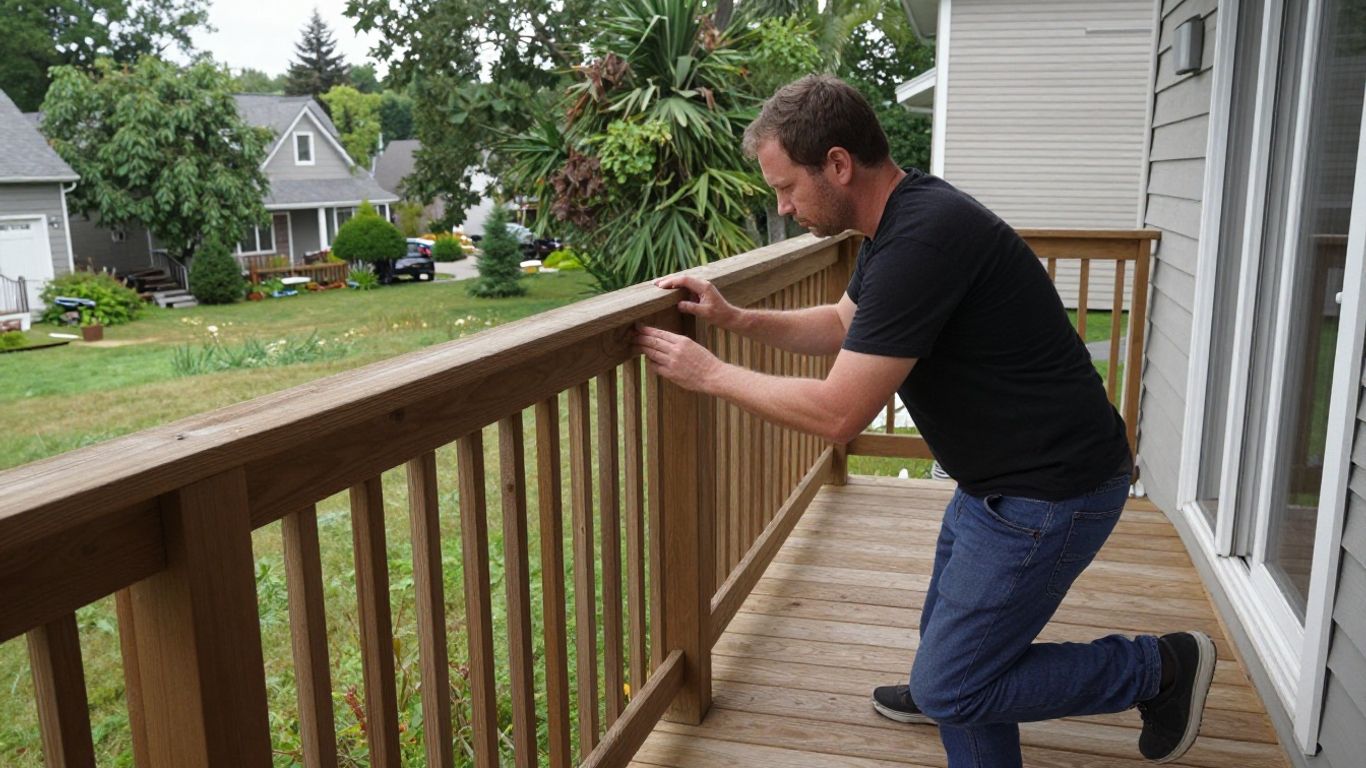
Deck railing installation in Montreal and Laval is all about adding safety, style, and functionality to your outdoor living space. Think of it as the finishing touch that makes your deck usable and attractive. It’s not just about putting up a fence; it involves carefully selecting materials, ensuring they meet local building codes, and properly attaching them to your deck structure. Whether you’re looking at Laval exterior stair railing installation or a full deck overhaul, the goal is to create a secure and visually appealing area for your home.
This process typically involves several key steps:
- Site Assessment: Evaluating your existing deck and the surrounding area to determine the best railing design and placement.
- Material Selection: Choosing from various options like wood, aluminum, composite, or glass, considering durability, maintenance, and aesthetics.
- Code Compliance: Making sure the chosen design and installation methods adhere to Quebec’s building regulations for height, spacing, and structural integrity.
- Installation: Securely fastening posts, rails, and balusters to create a sturdy and safe barrier.
- Finishing Touches: Adding any decorative elements or protective coatings.
Working with a reputable deck company in Montreal & Laval can make all the difference. They bring the know-how to handle everything from design to the final nail, ensuring a professional result that you can enjoy for years. They understand the local climate and building requirements, which is super important for a long-lasting installation.
Proper deck railing installation is more than just an aesthetic choice; it’s a critical safety feature. It prevents falls from elevated decks and stairways, making your outdoor space accessible and secure for everyone, including children and pets.
When you’re considering new railings, it’s good to know what you’re getting into. A well-installed railing system not only boosts your home’s curb appeal but also adds real value. It’s an investment in both safety and enjoyment of your property. For homeowners in the area, finding a reliable contractor is key to a successful project, and there are many great options available, like Decimal Renovation for your contracting needs.
Types of Deck Railings for Montreal & Laval Homes
When you’re thinking about deck railings in Montreal or Laval, there are quite a few options to consider. It’s not just about safety, though that’s a big part of it. The railing you choose really sets the tone for your whole outdoor space. You’ve got your classic wood railings, which can look nice but need a good amount of upkeep, especially with our weather here. Then there are composite railings, which are super popular because they hold up well against the snow and sun and don’t need much attention. Aluminum is another choice, often seen with modern designs, and it’s pretty low maintenance too.
Here’s a quick rundown of some common types:
- Wood: Traditional and can be painted or stained. Needs regular sealing and upkeep.
- Composite: Made from a mix of wood fibers and plastic. Resists rot, insects, and fading. Comes in many colors.
- Aluminum: Lightweight, strong, and rust-resistant. Great for a sleek, modern look.
- Vinyl (PVC): Similar to composite in its low maintenance, but it’s all plastic. Doesn’t rot or splinter.
Choosing the right material often comes down to balancing looks, how much work you want to do, and your budget. For homeowners looking for durable and attractive solutions, especially when considering balcony railing services Montreal or custom deck railings Laval, exploring composite or aluminum options is usually a smart move.
When you’re looking at custom deck railings Laval, you’ll find that many companies can create unique designs. This could mean mixing materials, like having wood posts with metal balusters, or incorporating special lighting. The goal is usually to match your home’s style and your personal taste. Don’t forget to ask about local building codes, too – they often dictate things like height and spacing to keep everyone safe.
How to install deck railing for Home
So, you’re thinking about tackling deck railing installation yourself? It’s definitely doable, but it’s not quite as simple as assembling flat-pack furniture. You’ll need the right tools, a bit of patience, and a good understanding of the steps involved. Getting the measurements and layout just right is probably the most critical part before you even pick up a drill.
First things first, check if you need a Permit for Deck work in your area. While it might seem like a small addition, some municipalities have regulations. It’s always better to be safe than sorry and avoid potential fines or having to redo the work.
Here’s a general rundown of how to install deck railing:
- Plan Your Layout: Measure your deck perimeter. Decide where your posts will go. Typically, posts are placed at corners and then spaced out every 4 to 6 feet, depending on your railing material and local codes. Mark these locations clearly.
- Install Posts: This is the backbone of your railing. Posts are usually attached to the deck’s framing (joists or ledger board) using sturdy brackets and bolts. Make sure they are plumb (perfectly vertical) and securely fastened. You don’t want these wobbling!
- Attach Top and Bottom Rails: Once the posts are in place, you’ll connect the top and bottom rails between them. These provide the structure for your balusters or infill.
- Install Balusters/Infill: This is where you add the vertical elements that prevent falls. Whether you’re using wood balusters, metal spindles, or a cable system, ensure they are spaced according to code – usually no more than 4 inches apart to prevent small children from slipping through.
- Add Top Cap (Optional): Many railing systems have a separate top cap that sits over the top rail, providing a smooth surface to lean on and a finished look.
It’s a bit like putting together a Bathroom or Kitchen cabinet – precision matters. You’re building something that needs to be both functional and safe.
Remember, deck railing installation isn’t just about aesthetics; it’s primarily a safety feature. Building codes exist for a reason, and adhering to them protects you, your family, and anyone using your deck. If you’re unsure about any step, especially concerning structural integrity or code compliance, it’s wise to consult with professionals or look for detailed installation videos to guide your setup.
Don’t forget to consider accessories like deck lighting as you go. It can make a huge difference in usability and ambiance after dark. While it’s not directly part of the railing structure, integrating it during the installation process can be much easier than adding it later.
Building Code and Safety Requirements in Montreal & Laval
When you’re putting up a deck railing in Montreal or Laval, it’s not just about making it look good; it’s also about making sure it’s safe and follows the rules. The city and provincial governments have specific guidelines to keep everyone, especially kids, from taking a tumble. These regulations are there to protect you and anyone who uses your deck.
Here are some of the key things you’ll need to keep in mind:
- Height Requirements: Railings typically need to be a certain height, often around 36 inches (about 91.5 cm) for residential decks. This can change depending on the deck’s height off the ground, so always check the latest codes.
- Baluster Spacing: The gaps between the vertical posts (balusters) are super important. They usually can’t be wider than 4 inches (about 10 cm). This prevents small children from slipping through.
- Post Strength: The posts that hold up your railing need to be strong enough to handle pressure. They’re usually attached to the deck’s frame in a specific way to make sure they don’t budge.
- Handrails: If your deck has stairs, you’ll need a handrail that’s easy to grip.
- Load Capacity: Railings have to be built to withstand a certain amount of force, like someone leaning on them. This is often measured in pounds per linear foot.
It’s also worth noting that if your deck is attached to a house that has a Basement entrance, there might be additional requirements for the stairs and railings leading down.
Always get the most up-to-date information directly from your local building department or a qualified contractor. Building codes can be updated, and what was true last year might be different now. It’s better to be safe and compliant than to have to redo the work.
Most reputable contractors are well aware of these rules and will build your deck railing to meet or exceed them. If you’re doing it yourself, make sure you do your homework before you start cutting any wood or drilling any holes. A little bit of research now can save you a lot of headaches later.
Deck Railing Replacement vs Repair Montreal & Laval
When your deck railing starts looking a bit rough, you’ve got a couple of main paths to consider: repair or full replacement. It’s not always a clear-cut decision, and what makes sense really depends on the situation.
The biggest factor is usually the extent of the damage and the overall condition of the railing system. If you’ve got a loose post here, a cracked baluster there, or maybe some minor rot on a section, a repair might be perfectly fine. It’s often the more budget-friendly option in the short term and can get your railing back in shape without a huge overhaul. Think of it like fixing a leaky faucet – you replace the worn-out washer, and you’re good to go.
However, if you’re seeing widespread issues – like multiple rotted posts, significant structural instability, or railings that just don’t meet current safety codes anymore – then replacement is likely the smarter move. Trying to patch up a fundamentally unsound structure can end up costing you more in the long run with repeated fixes. Plus, if your existing railings are outdated or don’t comply with the latest building regulations, replacing them ensures your deck is safe for everyone.
Here’s a quick breakdown to help you decide:
- Repair is often suitable for:
- Minor cosmetic issues (scratches, fading).
- Isolated damage to a few individual components (e.g., one baluster, a single post cap).
- Loose connections that can be tightened or reinforced.
- When the main structural elements are still sound.
- Replacement is usually better for:
- Widespread rot or insect damage affecting multiple posts or beams.
- Structural instability that compromises safety.
- Railings that are significantly out of compliance with current building codes.
- When the cost of multiple repairs starts to add up close to the price of new.
- If you’re looking to upgrade the style or material of your railing.
Sometimes, you might find yourself in a situation where a partial replacement makes the most sense. For example, if only the top rail is severely damaged but the posts and balusters are fine, you could just replace the top section. This can be a good middle ground.
Deciding between repair and replacement isn’t just about aesthetics; it’s primarily about safety and long-term value. A professional assessment can help you understand the true condition of your deck railings and guide you toward the most cost-effective and secure solution for your home in Montreal or Laval. Don’t hesitate to get a quote for both options if you’re unsure.
When you’re planning significant deck work as part of your Montreal home renovations, it’s always wise to consult with professionals. Companies specializing in deck renovations can assess the condition of your existing railings and provide expert advice on whether a repair or a full replacement is the best choice for your needs and budget.”
Maintenance Tips After Deck Railing Installation
So, you’ve got that brand-new deck railing looking sharp in Montreal or Laval. Awesome! But don’t just forget about it. Keeping it in good shape means it’ll last way longer and stay looking good, which is pretty important, right?
First off, give it a good clean every few months. Depending on what your railing is made of – wood, composite, or aluminum – the cleaning method will change. For wood, a gentle scrub with soap and water usually does the trick. Composite and aluminum can often just be hosed down. Regular cleaning prevents dirt and grime from setting in, which can cause staining or even corrosion over time.
Here’s a quick rundown of what to look for:
- Check for loose fasteners: Screws and bolts can loosen up with weather changes and use. Just give them a quick tighten if you find any wobbly bits.
- Inspect for damage: Look for any cracks, splinters (especially on wood), or signs of rust. Catching these early means you can fix them before they become a bigger problem.
- Examine the posts: Make sure the posts are still firmly anchored. A wobbly post is a safety hazard, and you don’t want that, especially if you have kids or pets running around.
- Clear debris: Don’t let leaves or snow pile up around the base of the posts or on the railing itself. This can trap moisture and lead to rot or other issues.
If you have any special features, like integrated lighting, make sure those are working too. You wouldn’t want your beautiful new deck to be dark and uninviting at night.
Remember that even low-maintenance materials need some attention. Ignoring your railing can lead to premature wear and tear, potentially costing you more in repairs down the line than a little regular upkeep would have.
Think of it like this: a little bit of care now saves you a lot of headaches later. It’s about protecting your investment and keeping your outdoor space safe and enjoyable, whether it’s a ground-level deck or a fancy rooftop setup.
Common Mistakes to Avoid During Deck Railing Installation
Putting up deck railings might seem straightforward, but there are definitely a few pitfalls that can turn a weekend project into a headache. It’s easy to get caught up in the excitement of a new deck and overlook some important details.
One of the most common slip-ups is not checking the local building codes first. Seriously, this is a big one. Montreal and Laval have specific rules about railing height, spacing between balusters, and how the posts need to be secured. Ignoring these can mean having to redo the work, which is never fun and always costs more.
Another frequent mistake is using the wrong fasteners or not enough of them. Using fasteners that aren’t rated for exterior use or are too small for the load they’ll carry is a recipe for disaster down the road. You want your railing to be sturdy and safe for years, not wobbly after the first season. Think about using hidden fasteners for a cleaner look and a strong connection, especially if you’re going for a modern aesthetic. Systems designed for grooved deck boards can make a big difference in both appearance and durability.
Here are a few other things to watch out for:
- Inadequate Post Support: Railing posts need to be securely anchored. Simply screwing them to the deck boards isn’t enough. They should be bolted directly to the deck’s framing (joists or beams) for maximum stability.
- Incorrect Baluster Spacing: Building codes usually specify a maximum gap between balusters (often 4 inches or less) to prevent small children from falling through. Measure carefully!
- Ignoring Material Compatibility: Mixing different types of metals, especially with certain woods, can lead to corrosion. Make sure your fasteners and railing components are compatible.
- Not Planning for Drainage: Ensure that your railing installation doesn’t block water drainage from the deck surface, which can lead to rot and structural issues over time.
When you’re cutting posts or balusters, always measure twice and cut once. It sounds cliché, but it’s true. A small miscalculation can lead to wasted material and delays. Also, make sure you’re using the right tools for the job; trying to force things with the wrong equipment can damage materials and lead to unsafe connections.
Finally, don’t underestimate the importance of a level and plumb installation. Railings that aren’t installed straight and true not only look bad but can also be a safety concern. Take the time to get everything aligned correctly before you permanently fix it in place.
Benefits of Installing New Deck Railings
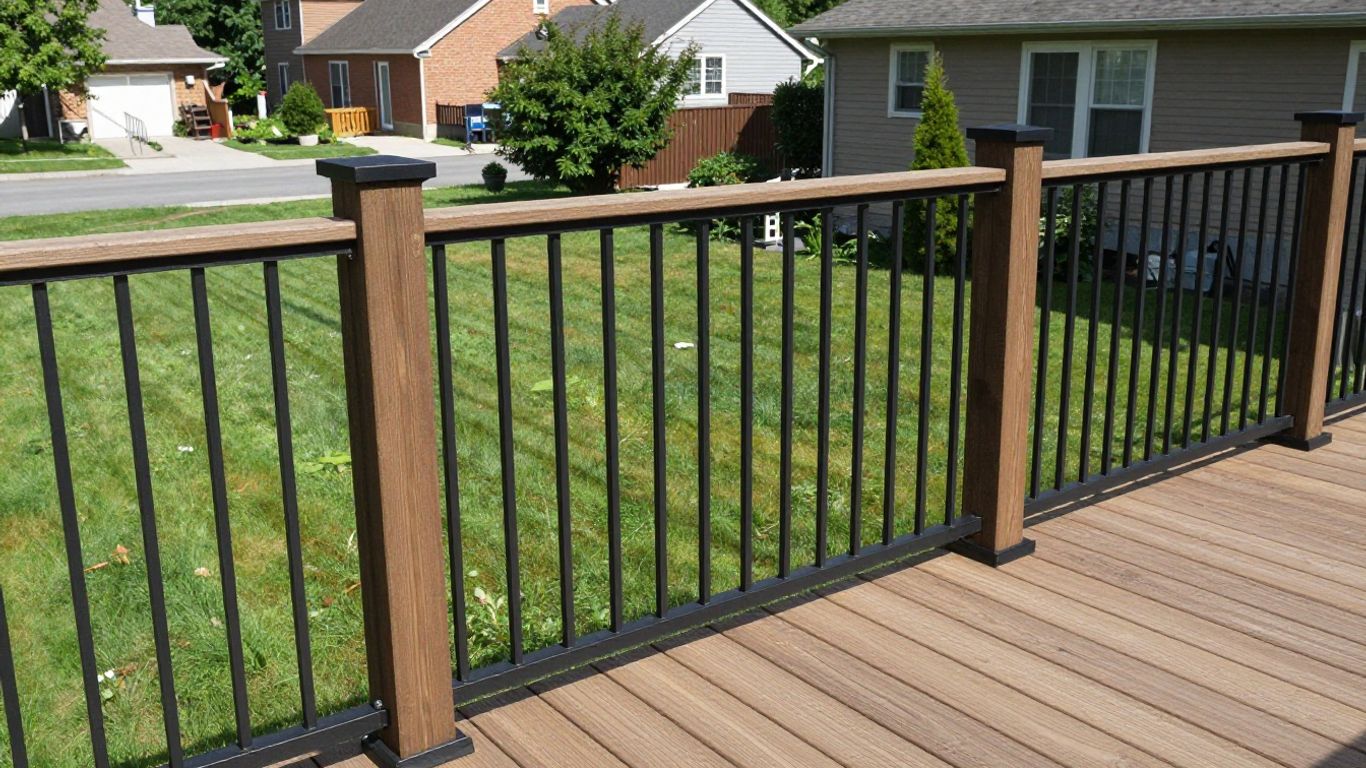
So, you’re thinking about getting new deck railings installed in Montreal or Laval? It’s a pretty smart move, honestly. Beyond just looking nicer, new railings can really change how you use and feel about your outdoor space. It’s not just about safety, though that’s a big one, especially if you have kids or pets running around. Think about it – those old, wobbly railings? Not exactly confidence-inspiring. New ones mean you can actually relax out there without that nagging worry.
Safety First, Always
This is probably the most obvious benefit, but it’s worth repeating. Deck railings are there to stop people from taking an unplanned tumble off your deck. Especially with Montreal’s weather, where things can get icy or wet, good railings with sturdy posts and a proper height are super important. They make your deck usable for everyone, from your toddler taking their first steps to your elderly aunt who might need a bit more support.
Boosting Your Home’s Look and Value
Let’s be real, old, weathered railings can make even the nicest house look a bit tired. Swapping them out for something fresh and modern can totally transform your home’s curb appeal. It’s like giving your house a facelift! This isn’t just about aesthetics, either. A well-maintained deck with attractive railings can actually add to your property’s resale value. Buyers notice these things, and a deck that looks good and feels safe is a big selling point.
Extending Your Outdoor Season
Who doesn’t want to spend more time outside? New railings, especially if they’re paired with other deck upgrades like lighting, can make your outdoor space more inviting and functional, even after the sun goes down. Imagine enjoying a cool evening breeze or hosting a barbecue that goes into the night. Properly lit and secure railings make this possible and much more enjoyable.
Low Maintenance Options
If you’re like me, you’d rather spend your weekends relaxing than doing endless upkeep. Luckily, there are tons of railing materials available now that require very little maintenance. Think composite or aluminum instead of traditional wood that needs constant staining and sealing. These modern materials resist rot, insects, and fading, meaning less work for you and more time to actually enjoy your deck.
Choosing the right material for your new deck railings can make a huge difference in how much time you spend on upkeep. Materials like composite or aluminum are designed to withstand the elements and look good for years with minimal effort, unlike traditional wood which requires regular staining and sealing to prevent rot and fading.
Conclusion
So, yeah, getting new deck railings installed is more than just a repair job. It’s an investment in your home’s safety, appearance, and usability. Whether you’re looking to update an older deck or ensure your new one is up to code and looks fantastic, new railings are a solid choice that pays off in the long run.
Upgrading your deck with new railings is a smart move! It not only makes your outdoor space look much better but also keeps everyone safe. Think about how much more you’ll enjoy your deck when it’s secure and stylish. Ready to give your deck a fresh new look and feel? Visit our website today to explore your options and get a free quote!
Frequently Asked Questions
What exactly is deck railing installation in Montreal and Laval?
Deck railing installation in Montreal and Laval means putting up the safety rails around your deck. These rails are super important for keeping people safe, especially kids, from falling off the edge. It’s all about making your deck a secure and enjoyable place to hang out.
What are the most popular railing materials for decks in this area?
Many homeowners in Montreal and Laval are choosing materials like composite or PVC for their decks and railings. These are great because they can handle Quebec’s tough weather, like snow and ice, and don’t need a lot of fixing up. They also resist things like rot and fading, looking good for a long time.
Do I need to follow specific building rules for deck railings in Montreal?
Yes, absolutely! Montreal and Laval have strict rules, often called building codes, that you must follow. These rules make sure your railings are strong enough, the right height, and have the correct spacing between balusters to prevent accidents. It’s crucial to build safely and correctly.
When is it better to replace old deck railings instead of just fixing them?
If your old railings are really worn out, wobbly, or damaged in many spots, it’s usually best to replace them. Trying to fix something that’s falling apart might not be safe or last very long. A full replacement ensures everything is sturdy and up to code.
What kind of upkeep do deck railings need after they’re installed?
The good news is that if you choose materials like composite or PVC, the upkeep is minimal! You’ll mostly just need to give them a good wash now and then to keep them looking fresh. Unlike wood, they won’t need sanding, staining, or painting, saving you a lot of time and effort.
What are the main benefits of getting new deck railings?
Putting in new deck railings makes your deck much safer, which is the biggest plus. They also make your deck look way better and can even increase the value of your home. Plus, they help define your outdoor space, making it feel more complete and inviting for relaxing or entertaining.