
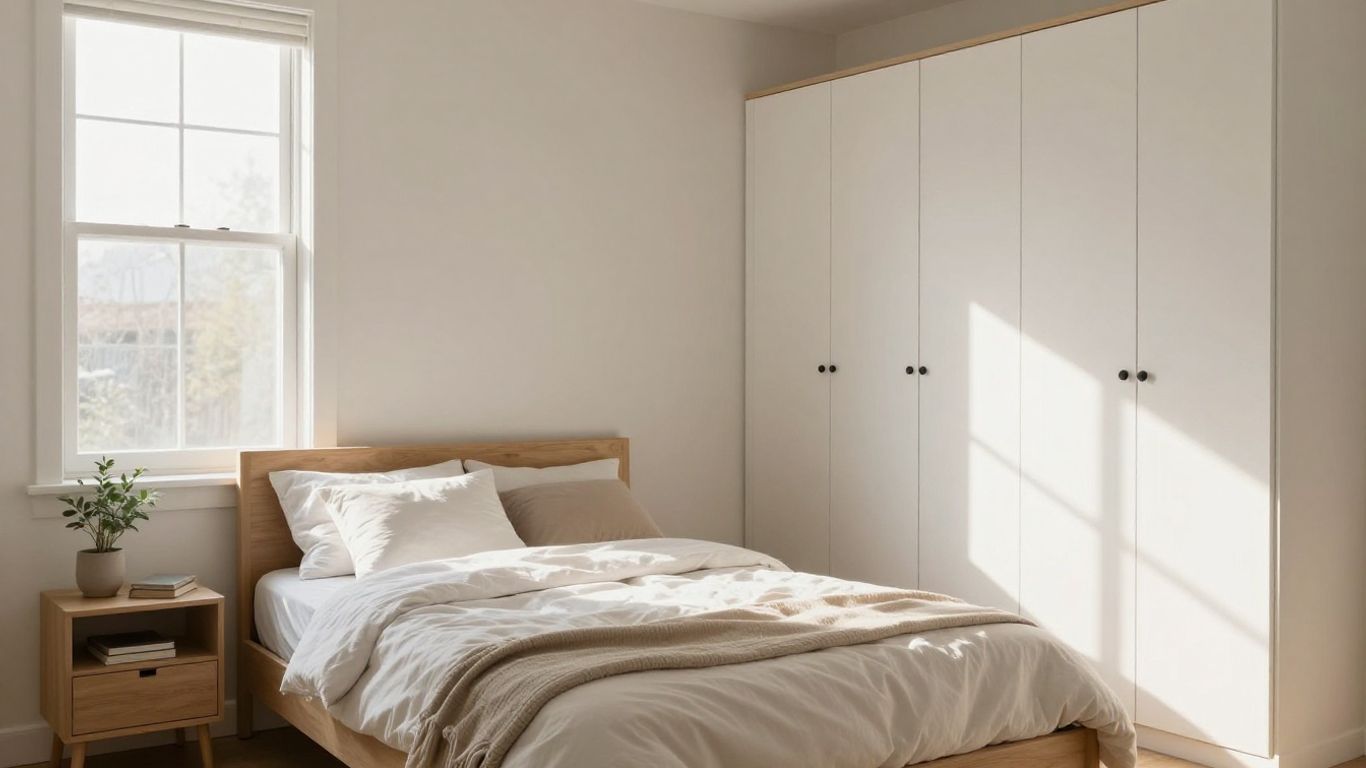
Trying to make a small, narrow bedroom in Montreal feel comfortable can be a headache. Most of us want more space than we actually have, and it’s easy to feel boxed in by the walls. But you don’t have to give up style or comfort just because the room is tight. With a few smart choices and some creative thinking, Bedrooms Design in Montreal can work for any size space—even the most awkward ones. Here are some tips and tricks that can help you get the most out of your bedroom, no matter how narrow it is.
Key Takeaways
- Choose furniture that doubles as storage, like beds with drawers or ottomans that open up.
- Stick to a few larger furniture pieces instead of cramming in lots of small ones to avoid a cluttered look.
- Use lighter wall colors or mirrors to make the room feel more open and bright.
- Mount lights and shelves on the wall to save space on nightstands and dressers.
- Always plan your layout before buying new furniture—sketch it out first to see what actually fits.
How to Maximize Bedroom Space in Montreal Homes
When you’re decorating compact bedrooms in Quebec, especially long and narrow ones, every inch counts. Making the most of small bedrooms in Montreal often comes down to smart planning and a bit of creativity. Let’s break it down into straightforward steps, using ideas that actually work for how we live.
- Choose multi-purpose furniture: Go for beds with built-in drawers or storage ottomans at the foot. A storage bed keeps the clutter hidden and helps keep things organized.
- Use closets for more than hanging clothes. Tuck a dresser inside if you’re running out of floor space—it opens up the room and makes it instantly feel less cramped.
- Think vertically. Add shelves above headboards or along high walls. Floating shelves or floor-to-ceiling units turn walls into extra storage without crowding valuable floor space. Even hanging art or a statement mirror above the bed can help draw the eye upwards, which visually lifts the room, making it feel larger.
- Don’t crowd the room with furniture. A couple of well-sized pieces work better than too many small ones. Appropriate scaling, as suggested by select the right size furniture, balances the room out and keeps it functional.
- Double-duty nightstands: If there isn’t space for two, place one larger nightstand between beds or consider alternatives like a small stool or wall-mounted shelf.
A practical strategy for Bedrooms Design in Montreal apartments or houses is to treat storage like décor—turning every corner and wall into usable, but still attractive, space. Less furniture can sometimes be more effective, making your room feel private but not overcrowded.
Table: Storage Solutions for Small Bedrooms
| Solution | Space Saved | Extra Benefits |
|---|---|---|
| Storage bed | High | Hidden organization |
| Floating shelves | Moderate | Easy access/display |
| Dresser in closet | High | Opens up floor area |
| Single nightstand | Moderate | Room for essentials |
When it comes down to decorating compact bedrooms in Quebec, keep it simple, double-purpose, and let each choice make the room feel more open, not cluttered.
How to Arrange Furniture in Small Narrow Bedrooms
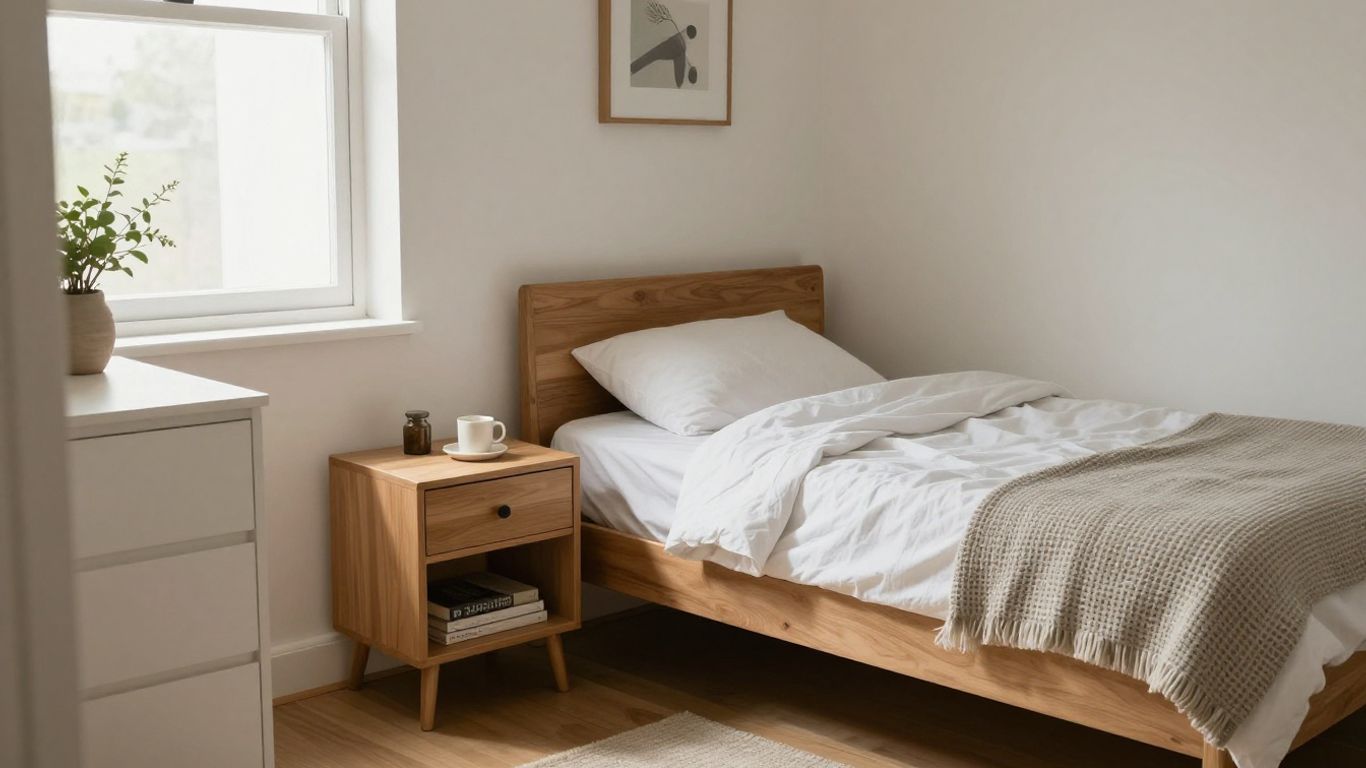
Working with a small, narrow bedroom can really test your nerves. There’s often a strong temptation to cram every piece you own into the space, but the right layout can turn a cramped room into something much more open and comfortable. The trick is to focus on the essentials and make every piece count.
Here are a few practical tips to help you get started:
- Start with the bed placement. It almost always works best to put your bed against the longest, most visible wall, usually facing the door, so it’s easy to access from both sides.
- Limit big items. Choose only what you really need, like a bed, a nightstand (or two if you have room), and maybe a dresser. Skip extras that clutter walkways.
- Go for multifunctional furniture. A storage bed or a nightstand with drawers can help minimize clutter, while wall shelves or floating desks free up the floor.
- Use vertical space. Tall, slim wardrobes or bookshelves keep your footprint small while adding storage above eye level.
- Prioritize walking paths. Try leaving at least 20″ of space on one side of the bed; otherwise, making the bed turns into an obstacle course every morning.
| Furniture Piece | Alternatives for Small Rooms |
|---|---|
| Regular nightstand | Floating shelf or wall-mounted table |
| Standard bed frame | Storage bed or lofted bed |
| Tall dresser | Dresser inside closet or under-bed bins |
Put the biggest item (usually the bed) first, then test the space with boxes or painter’s tape before dragging all your furniture in. It’s always easier to shuffle things around on paper or in your head than to move a solid oak dresser more than once.
Arranging furniture in small narrow rooms takes trial and error. Some weekends, you’ll think you’ve nailed it… until you trip over a new chair or realize the closet won’t open! But commit to keeping things simple and make your furniture work double (or triple) duty, and even the smallest, weirdest rooms can start to feel much bigger.
Best Color Schemes for Small Narrow Bedrooms
When you’re dealing with a small, narrow bedroom, picking the right colors can really change how the space feels. It’s not just about making it look pretty; it’s about tricking the eye into thinking the room is bigger than it is.
Light and cool colors are generally your best bet for making a small room feel more open and airy. Think soft blues, gentle greens, pale grays, or even a warm off-white. These shades reflect light, which helps to expand the space visually. They create a calm atmosphere, too, which is exactly what you want in a bedroom.
However, don’t shy away from color altogether. Sometimes, a richer, deeper hue can actually make a small room feel cozier and more sophisticated, rather than cramped. The trick is to use these darker colors strategically. For instance, painting just one accent wall a deep navy or forest green can add depth without overwhelming the space. Or, consider painting the ceiling a slightly lighter shade than the walls to draw the eye upward, making the room feel taller.
Here are a few color ideas to get you started:
- Monochromatic Magic: Sticking to different shades of the same color can create a cohesive and expansive feel. For example, using a light gray for the walls, a slightly darker gray for the bedding, and charcoal accents.
- Cool & Calm: Soft blues and greens are known for their calming properties and can make a room feel more spacious. Think a pale sky blue or a muted sage green.
- Warm Neutrals: Creams, beiges, and light taupes can add warmth without making the room feel smaller, especially when paired with natural wood tones.
- Bold Accents: If you love vibrant colors, use them sparingly. A bright throw pillow, a piece of artwork, or a decorative vase can add personality without closing in the room.
While it might seem counterintuitive, sometimes a darker color palette can actually make a small room feel more intimate and less stark. The key is balance and knowing where to place those deeper tones so they add character rather than make the space feel like a box.
When choosing your colors, remember to consider the natural light in the room. If your room doesn’t get a lot of sunlight, lighter colors will be even more important to keep it from feeling gloomy. And don’t forget about how the colors of your furniture and decor will play with your wall color – it all works together to create the final look and feel.
Smart Storage Solutions for Narrow Bedrooms
When you’re dealing with a narrow bedroom, storage can feel like a real puzzle. You want to keep things tidy, but there’s just not a lot of room to work with. The key is to think vertically and multi-functionally.
Instead of bulky dressers that eat up floor space, consider built-in wardrobes that go all the way up to the ceiling. You can even have them built into alcoves or on either side of your bed, creating little nooks for bedside essentials. Open hanging rails can also work well for clothes, especially if you’re not storing a huge amount. For items you don’t use every day, like seasonal clothes, look for storage beds with built-in drawers or lift-up mechanisms. These are lifesavers.
Here are a few ideas to get you started:
- Utilize Wall Space: Install shelves above the bed or along the longest walls. Floating shelves are great because they don’t take up much visual space. You can use them for books, decorative items, or even small storage boxes.
- Under-Bed Storage: Don’t let that space go to waste. Use rolling bins or drawers designed to fit under the bed. This is perfect for stashing extra bedding, out-of-season clothes, or even items you might keep in a basement storage unit.
- Multi-Purpose Furniture: Think about ottomans or benches at the foot of the bed that can double as storage. Some even have lift-off lids for easy access.
- Slim Furniture Choices: Opt for nightstands with drawers rather than open shelves to hide clutter. If you have a closet, consider tucking a dresser inside to free up floor space in the main room.
Remember, the goal isn’t just to cram more stuff into the room, but to find clever ways to store things so the room feels open and calm. Think about what you really need to keep in the bedroom and what could potentially be stored elsewhere, maybe even in a basement if you have one available.
Don’t forget about the doors! Over-the-door organizers can be surprisingly useful for shoes, accessories, or toiletries. And if you have tall ceilings, definitely take advantage of that height with taller shelving units or wall-mounted cabinets.
Lighting Tips to Make Small Bedrooms Feel Larger
Lighting is a super easy way to trick your brain into thinking a small room is bigger than it actually is. It’s all about how you use it, you know?
Don’t just rely on that one overhead light; it can make the whole space feel a bit flat and even smaller. Instead, think about layering your light sources. This means using a mix of different types of lighting to create depth and interest.
Here are a few ideas to get you started:
- Wall Sconces: These are fantastic for narrow rooms. Mount them on the walls next to your bed, or even integrated into the headboard if you’re feeling fancy. This frees up precious nightstand space, which is always a win.
- Table Lamps: If you have the surface area, a couple of well-placed table lamps can add a warm glow. Look for ones with smaller bases so they don’t take up too much room.
- Floor Lamps: A slim floor lamp can add height and direct light upwards, drawing the eye toward the ceiling. Just make sure it doesn’t block any pathways.
- Accent Lighting: Consider small spotlights to highlight artwork or architectural features. This adds visual interest and makes the room feel more dynamic.
Mirrors are also your best friend here. Placing a mirror opposite a window can bounce natural light around the room, making it feel brighter and more open. Even a decorative mirror above a dresser can create the illusion of more space.
Think about how light travels. You want to avoid dark corners and create a soft, inviting ambiance. Using dimmer switches can also give you control over the mood and brightness, adapting the light to different times of day or activities.
When you’re choosing fixtures, think about scale. A huge chandelier might overwhelm a tiny room, but a stylish pendant light that hangs lower can actually draw the eye up, making the ceiling seem higher. It’s all about balance and making the most of what you’ve got.
Design Tricks to Make Narrow Bedrooms Look Spacious
Dealing with a narrow bedroom can feel like a puzzle, but there are some clever ways to make the space feel much bigger than it actually is. It’s all about tricking the eye and using your space smartly. These narrow room layout tips can really change how you feel about your room.
The right furniture placement is key to optimizing tight bedroom layouts. Instead of cramming in too many pieces, focus on a few well-chosen items. Sometimes, you don’t need a nightstand on both sides of the bed. If one side is too tight or blocks a door, skip it or opt for a smaller, legged table that feels less bulky. You can even hide a dresser in a closet if floor space is really limited. This frees up the room and makes it feel more open.
Here are a few ideas to get you started:
- Use mirrors strategically: Placing mirrors can really open up a room. A floor-length mirror can fill a corner without taking up much visual space, and wall mirrors can make the room seem wider by reflecting light and the view.
- Draw the eye upward: Make the ceiling feel higher. You can do this by hanging curtains closer to the ceiling or using vertical patterns on the walls. Even painting the ceiling a lighter or slightly more vibrant color can help.
- Lighten up: Lighter paint colors on the walls and ceiling reflect more light, making the room feel airier. Also, make sure natural light has a clear path from the window into the room.
Don’t underestimate the power of vertical space. Think about wall-mounted shelves or sconces instead of floor lamps or bulky nightstands. This keeps the floor clear, which is a big win in a narrow room.
Consider how you use your walls. Hanging artwork can create a focal point, drawing attention away from the room’s dimensions. Wall paneling, especially vertical lines, can also add character and make the ceiling appear taller. Layering your lighting, perhaps with wall sconces instead of table lamps, also helps create depth and makes the room feel more inviting and less cramped.
Common Mistakes to Avoid in Small Narrow Bedroom Design
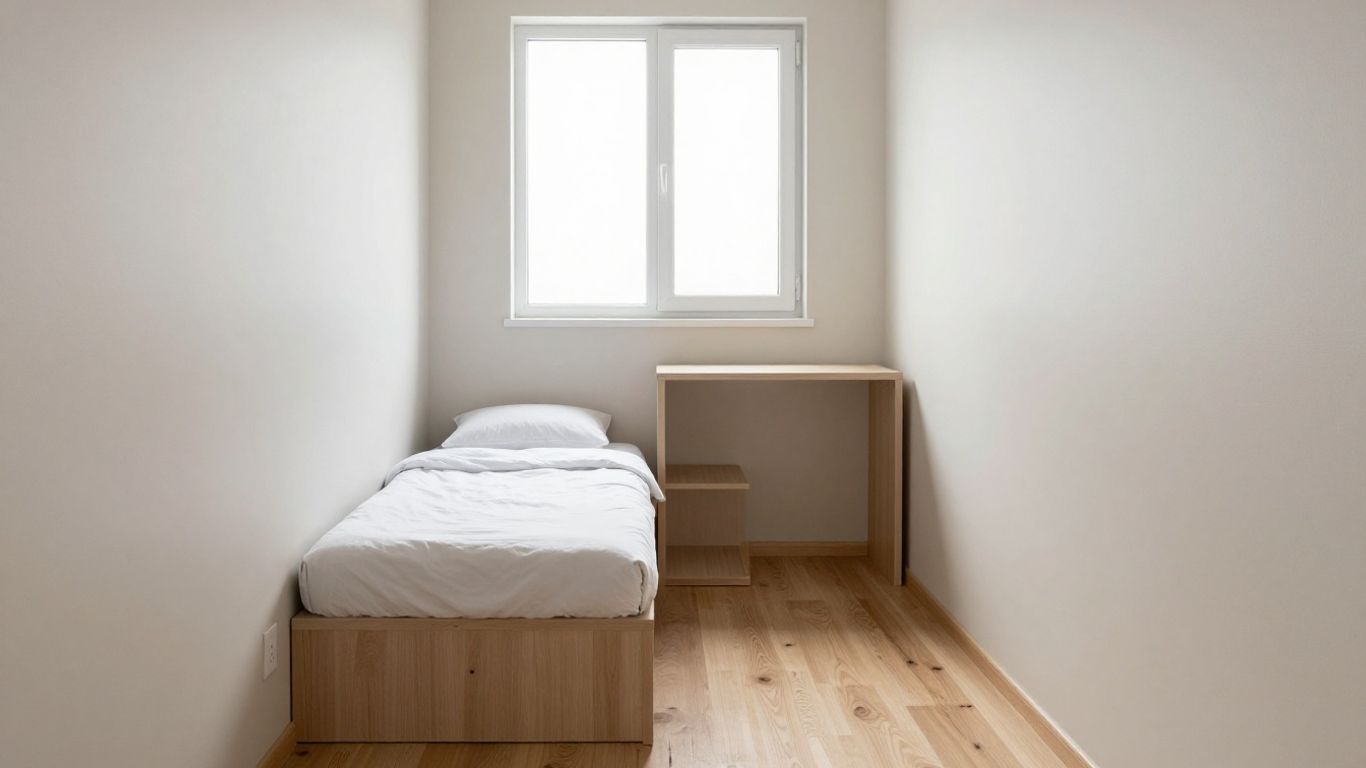
When you’re working with a small, narrow bedroom, it’s easy to fall into some traps that make the space less comfortable and functional. Overcrowding the room or choosing the wrong furniture can quickly take your project from cozy to cramped. Here are some missteps you want to avoid:
- Picking a bed that’s too large for the room. A king-sized bed might feel like a dream, but if it’s wedged against the walls with barely any space to walk around, the entire room suffers.
- Using too much or too little furniture. Enough storage is important, but stacking the space with lots of small items just adds clutter. On the flip side, pieces that are too small look out of place and won’t give you the storage or use you need.
- Neglecting vertical or wall space. Forgetting about wall shelves, hooks, or wall-mounted lights leaves you fighting for floor space you simply don’t have.
- Ignoring the need for multifunctional furniture. Skipping out on storage beds, drawers under the bed, or nightstands with cabinets means losing out on storage space that could make your room livable.
- Bad lighting choices. Relying on a single overhead light can make the space feel flat and boxed in. Layer your lighting and consider wall sconces to free up tabletops.
- No plan for clutter. Without closed storage, your room will feel messy fast, no matter how clever your layout.
It’s easy to let your wishlist take over, but in a small, narrow bedroom, every piece you add should have a reason. Always check: does it fit, does it store, and does it make the room work better?
Carefully measuring and thinking through every decision upfront will go much further than shopping impulsively. A simple, intentional approach leads to a bedroom that feels open—even when it’s not.
Conclusion
So, we’ve gone over a bunch of ways to make those small, narrow bedrooms feel a lot more livable and stylish. It’s not about magic tricks, really, just smart choices. Think about how you can use vertical space, like with paneling or hanging lights, to draw the eye up. Mirrors are also your best friend here; they really do bounce light around and make things feel more open.
When it comes to furniture, less is often more. You don’t need a matching set of nightstands if one side just doesn’t work. Sometimes, one larger nightstand or even a small stool can do the job just fine.
Here are a few key takeaways:
- Prioritize light colors and materials: Whites, creams, cotton, and linen can make a big difference in how airy a room feels.
- Utilize wall space: Think shelves, wall-mounted lights, and art to keep floor space clear.
- Mirrors are essential: They create an illusion of more space and add a decorative touch.
- Be selective with furniture: Only bring in what you truly need and consider multi-functional pieces.
Remember, the goal is to create a functional and comfortable space that feels like your own personal retreat, not a storage unit. Even the smallest room can feel spacious and inviting with a little thoughtful planning.
It might seem like a lot, but tackling these ideas one by one can really transform a cramped room into something you’ll love spending time in. For more ideas on making the most of tight spaces, check out these small bedroom design ideas.
In conclusion, we’ve covered the key aspects of our services. If you’re ready to start your next project or have questions, don’t hesitate to reach out. Visit our website today to learn more and get a free quote!
Conclusion
Designing a small, narrow bedroom can feel like a puzzle, but it’s definitely doable with a bit of planning and creativity. The main thing is to keep it simple—don’t try to cram in too much furniture, and make sure every piece you do add has a purpose. Multi-use furniture, like beds with storage or wall-mounted shelves, can really help you make the most of your space. Don’t be afraid to play around with the layout on paper or with an online planner before you start moving things around. And remember, a small room doesn’t mean you have to give up on style—using color, art, and smart lighting can make even the tiniest bedroom feel cozy and personal. At the end of the day, it’s all about making the space work for you and your needs. So take your time, experiment, and don’t stress if it takes a few tries to get it right. You’ll get there!
Frequently Asked Questions
How can I make a small, narrow bedroom look bigger?
To make a small, narrow bedroom look bigger, use light colors on the walls, add mirrors to reflect light, and keep the room tidy. Try to pick furniture that fits the room, and don’t put too many things inside. Using vertical space, like tall shelves, can also help.
What kind of bed is best for a small bedroom?
A storage bed or a bed with drawers underneath is a great choice for a small bedroom. These beds give you extra space to keep clothes, blankets, or other items out of sight. You can also use a loft bed or a daybed if you want even more space.
Should I use dark or light colors in a small bedroom?
Light colors like white, light gray, or soft blue can make a small bedroom feel more open and airy. But if you like dark colors, you can use them on one wall or the ceiling to make the room feel cozy without making it look smaller.
How can I arrange furniture in a narrow bedroom?
Put the bed against the longest wall if you can, and try to keep a clear walkway. Use tall dressers or shelves to save floor space. If you don’t have room for two nightstands, just use one or try wall-mounted shelves instead.
What are some smart storage ideas for small bedrooms?
Use under-bed storage boxes, hanging organizers on the back of doors, and floating shelves on the walls. A storage ottoman at the end of the bed can be used for both sitting and storing things. If you have a closet, put a small dresser inside to save space.
What lighting is best for making a small bedroom feel bigger?
Use different types of lighting, like ceiling lights, wall sconces, and small lamps. Try to let in as much natural light as possible by keeping window areas clear. Mirrors placed across from windows can also help spread light around the room.