
Thinking about finishing your basement in Montreal or Laval? It’s a smart move to add usable space to your home. One of the biggest decisions is what kind of flooring to go with, and basement tile is a popular choice for good reason. This guide will walk you through everything you need to know about basement tile in Montreal & Laval, from picking the right stuff to getting it installed and keeping it looking good.
Key Takeaways
- Choosing the right basement tile in Montreal & Laval involves considering moisture resistance, durability, and style to fit your needs.
- Proper installation is key for basement tile; it often requires a moisture barrier and professional attention for best results.
- Design ideas for basement tile range from classic ceramic to modern luxury vinyl, allowing for personalized spaces.
- Regular cleaning and prompt attention to spills are vital for maintaining your basement tile’s appearance and longevity.
- Understanding common installation mistakes and maintenance needs will help you avoid costly repairs and keep your basement tile looking great.
Why Choose Basement Tile in Montreal & Laval
Thinking about finishing your basement in Montreal or Laval? It’s a smart move, and choosing the right flooring is a big part of that. Basement tile montreal options are plentiful, and for good reason. Basements often face unique challenges like potential moisture issues and temperature fluctuations, making tile a really practical choice. Unlike carpet, which can trap moisture and odors, tile is much more resistant to water damage and easier to clean. This is super important for a space that’s below ground level.
Beyond durability, basement tiles offer a huge range of styles. You can go for a sleek, modern look with large format porcelain tiles, or a warmer, more traditional feel with ceramic that mimics wood or stone. It really depends on the vibe you’re going for. Plus, tile is known for its longevity. A well-installed tile floor can last for decades, making it a solid investment for your home.
Here are a few key benefits to consider:
- Moisture Resistance: Tile is far less likely to be damaged by dampness compared to other flooring types.
- Durability: It holds up well against foot traffic and general wear and tear.
- Aesthetics: A vast selection of colors, patterns, and textures are available to match any decor.
- Easy Maintenance: Spills and dirt are generally simple to wipe away.
When planning any renovation, especially for a basement, it’s wise to consult with professionals. They can offer insights into the best materials for your specific environment and ensure proper installation techniques are used, which is key for preventing future problems.
If you’re looking for help with your home improvement projects, companies like LEDV can assist with general contracting services in Montreal. They can provide free estimates and help coordinate your renovation needs.
Types of Basement Tiles to Consider
When you’re thinking about flooring for your basement in Montreal or Laval, you’ve got a bunch of options that are way better than just bare concrete. The main thing is to pick something that can handle moisture, because basements can get damp.
Luxury Vinyl Plank (LVP) and Luxury Vinyl Tile (LVT) are super popular right now, and for good reason. They look a lot like real wood or stone but are way more forgiving when it comes to water. Plus, they’re pretty tough and don’t cost an arm and a leg. They often come with a click-lock system, which makes them easier to install yourself if you’re feeling handy.
Another solid choice is ceramic or porcelain tile. These are basically waterproof, so spills or even minor leaks aren’t a big deal. You can find them in tons of styles, from sleek modern looks to something that mimics natural stone. They’re durable and easy to clean, which is always a plus.
If you want something a bit more industrial or are using your basement as a workshop, epoxy flooring is worth a look. It’s basically a super-tough coating you put over concrete. It’s completely waterproof and resistant to stains and chemicals. Just be aware that it can be a bit slippery when wet, so you might want to add some texture or anti-slip additives.
Here are some of the best basement floor options to think about:
- Vinyl Planks/Tiles (LVP/LVT): Great water resistance, lots of styles, durable, and DIY-friendly.
- Ceramic/Porcelain Tiles: Completely waterproof, very durable, easy to clean, and versatile in design.
- Epoxy Flooring: Seamless, waterproof, chemical-resistant, good for workshops, but can be slippery.
- SPC Click Flooring: Similar to LVP but with a stone composite core, making it extra rigid and water-resistant.
Choosing the right waterproof flooring for basements means thinking about how damp your space gets and what you’ll be using it for. Don’t just pick the prettiest option; make sure it can stand up to basement conditions.
Basement Tile Installation Guide
Getting your basement tiles installed right is pretty important if you want them to last and look good. It’s not just about slapping them down; there’s a bit more to it, especially in a basement environment where moisture can be a sneaky problem.
First off, you’ve got to prep the subfloor. This means making sure it’s clean, dry, and level. Any bumps or dips can cause tiles to crack later on, and you definitely don’t want that. If you’ve got concrete, check for any cracks or uneven spots and fix them up. Sometimes, a self-leveling compound is your best friend here.
Next up is dealing with moisture. Basements can get damp, so it’s a good idea to use a moisture barrier or a primer designed for concrete. This step is super critical to prevent water from seeping through and causing issues down the line, like mold or tile lifting.
When it comes to laying the tiles themselves, you’ve got a few options depending on the tile type. For ceramic or porcelain tiles, you’ll be using thin-set mortar. Make sure you spread it evenly with a notched trowel – the size of the notches matters, so check the tile manufacturer’s recommendation. For click-lock systems, like some luxury vinyl tiles (LVT) or SPC flooring, it’s more about fitting the pieces together correctly, often without any adhesive.
Here’s a general rundown of the steps for traditional tile installation:
- Layout Planning: Start by dry-laying a few rows to figure out your pattern and where cuts will be needed. This helps avoid awkward small cuts at the edges.
- Mortar Application: Apply the thin-set mortar to a small section of the floor at a time. Don’t cover too much area at once, or the mortar will start to dry out before you can lay the tiles.
- Tile Placement: Press each tile firmly into the mortar with a slight twisting motion to ensure good adhesion. Use tile spacers to keep the grout lines consistent.
- Cutting Tiles: Measure and cut tiles as needed for edges and around obstacles. A wet saw is usually best for ceramic and porcelain.
- Grouting: Once the tiles are set (usually after 24 hours), remove the spacers and apply grout to fill the gaps. Wipe away excess grout before it hardens.
- Sealing: After the grout has cured, seal the grout lines to protect them from stains and moisture.
Remember, basements can be tricky. If you’re unsure about any part of the process, especially moisture control or dealing with concrete, it’s often worth calling in a pro. A little extra cost upfront can save you a lot of headaches later.
For click-lock systems, the process is usually simpler. You’ll typically start along one wall and click the planks or tiles together, working your way across the room. Make sure to leave a small expansion gap around the perimeter of the room for the material to expand and contract with temperature changes.
Basement Tile Design Ideas
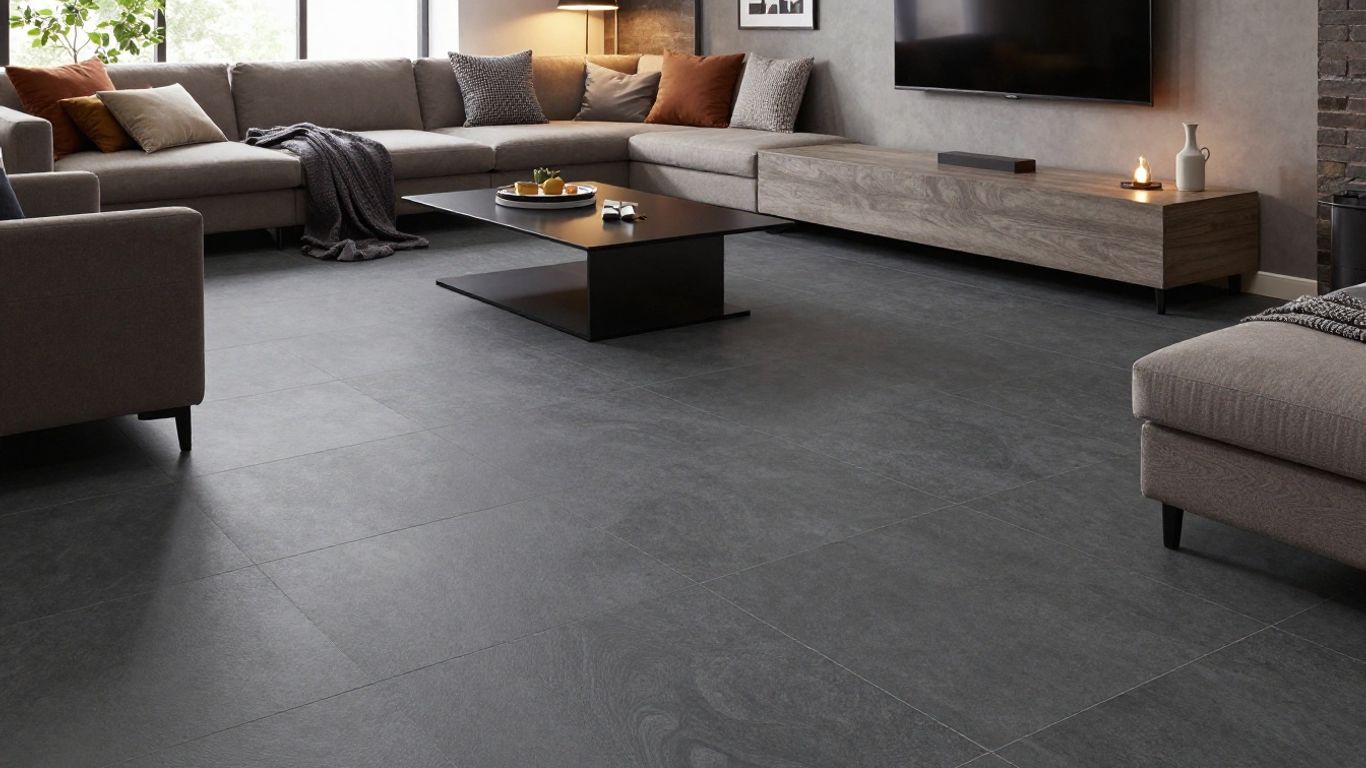
Your basement doesn’t have to be a drab, forgotten space. With the right tile choices, you can turn it into a stylish extension of your home. Think about creating different zones. Maybe you want a cozy reading corner with a warmer material, like cork, and then a more durable, easy-to-clean tile for a play area or home gym. Mixing materials can really break up the space and make it feel more intentional.
Patterns are also a big deal right now. Instead of just laying tiles straight, consider a herringbone or chevron pattern. These can add a lot of visual interest and make the floor a real focal point. Even simple geometric shapes, like hexagons, can give your basement a modern edge. Don’t be afraid to play with color, either. While grays and beiges are always safe, a pop of color can really liven things up. You could go for a bold accent area or even a multi-colored tile if you’re feeling adventurous.
Here are a few popular design approaches:
- Modern & Minimalist: Think large format tiles in neutral tones like concrete gray, charcoal, or a clean white. This look is sleek and makes the space feel bigger.
- Rustic Charm: Opt for tiles that mimic natural wood or stone. These can add warmth and texture, making the basement feel more like a traditional living space.
- Bold & Playful: Use vibrant colors, interesting patterns (like checkerboard or abstract designs), or even a mix of different tile shapes to create a unique and energetic atmosphere.
- Textured & Tactile: Consider tiles with a raised pattern or a matte finish that adds depth and prevents glare, making the space feel more inviting.
If you’re thinking about comfort, especially during those colder Montreal winters, don’t forget about the possibility of in-floor heating. It makes even materials like stone or concrete feel wonderfully warm underfoot, opening up a lot of design possibilities you might not have considered otherwise.
When planning your design, remember to think about how the tiles will look with your furniture and the overall style of your home. It’s all about making the basement feel like a natural, comfortable part of your house.
Maintenance Tips to Keep Your Basement Tile Looking New
Keeping your basement tiles looking sharp isn’t rocket science, but it does take a little bit of regular attention. Think of it like taking care of a car – a little upkeep now saves you big headaches later. Consistent cleaning is your best friend for preventing dirt and grit from scratching up the surface and dulling that fresh look.
Different tile materials need slightly different care, but the basic principles are pretty much the same. You want to sweep or vacuum regularly to pick up loose stuff. For a deeper clean, a damp mop usually does the trick. Just make sure you’re using the right cleaner for your specific tile type – harsh chemicals can really do a number on some finishes.
Here’s a quick rundown for common basement tile types:
- Ceramic & Porcelain: Sweep or vacuum often. For mopping, stick to pH-neutral cleaners. Avoid anything abrasive that could scratch the glaze.
- Luxury Vinyl Tile (LVT) & Plank (LVP): Regular sweeping is good. For spills or deeper cleaning, use a damp mop with a cleaner recommended by the manufacturer. These are pretty tough, but it’s still good to be gentle.
- Epoxy Coatings: Sweep or dry mop regularly. A mild, pH-neutral cleaner is best for tougher spots. Definitely steer clear of strong solvents or chemicals that could break down the coating.
- Natural Stone (like Slate or Travertine): These can be a bit more sensitive. Sweep or vacuum with a soft brush attachment. Use a stone-specific cleaner and a damp mop. Always blot up spills immediately, especially acidic ones like wine or juice.
Addressing moisture is also a big part of maintenance, even if it’s not direct cleaning. If you notice any dampness or leaks, deal with it right away. Water can seep under tiles, causing grout issues or even damage to the subfloor, which is way more work to fix than just wiping up a spill.
Taking care of your basement tiles isn’t just about making them look good; it’s about making them last. Simple, regular habits can significantly extend their lifespan, keep them looking great, and prevent minor issues from turning into expensive repairs down the road. It’s about being proactive rather than reactive.
Using area rugs or mats in high-traffic zones can also make a big difference. They act as a buffer, catching dirt and protecting the tiles underneath from extra wear and tear. It’s a simple step that adds up over time.
Common Mistakes to Avoid
So, you’ve picked out some awesome tiles for your basement and you’re ready to go. That’s great! But before you get too far, let’s chat about a few things that can really mess things up. It’s easy to make little errors that end up costing you time and money down the road, or just making your new floor look not-so-great.
One of the biggest slip-ups people make is not prepping the subfloor properly. Seriously, this is huge. If your subfloor is uneven, damp, or has old adhesive all over it, your new tiles are going to have a bad time. They might crack, lift, or just not stick right. Always make sure that subfloor is clean, dry, and level before you even think about laying down those tiles. It might seem like extra work, but trust me, it’s way better than dealing with a messed-up floor later.
Another common issue is using the wrong adhesive or grout. Not all tiles are created equal, and neither are the glues and fillers. Using a product that’s not meant for your specific tile type or for basement conditions (which can be damp!) is a recipe for disaster. You need something that can handle moisture and stick well. Always read the tile and adhesive manufacturer’s instructions. If you’re unsure, it’s worth asking a pro, maybe someone from a place like SKLZ Construction.
Here are a few other things to watch out for:
- Ignoring moisture issues: Basements are notorious for dampness. If you haven’t properly sealed walls or addressed any water seepage, your tiles and grout can get damaged, leading to mold or mildew. Always check for and fix moisture problems first.
- Cutting corners on layout: Just slapping tiles down without a plan can lead to awkward cuts at the end, uneven grout lines, or a visually unbalanced floor. Take the time to plan your layout, find the center, and figure out where your cuts will be.
- Using the wrong cleaning products: Once the tiles are in, don’t go wild with harsh chemicals. Many tile and grout types can be damaged by strong cleaners, leading to discoloration or erosion. Stick to pH-neutral cleaners recommended for your tile.
Don’t underestimate the importance of ventilation during and after installation. Proper airflow helps the adhesive and grout cure correctly and reduces the risk of moisture buildup, which is a basement’s worst enemy. Make sure windows are open or fans are running if needed.
Finally, don’t be afraid to ask for help. If you’re feeling overwhelmed or unsure about any step, it’s better to consult with a professional installer than to make a mistake that’s costly to fix. A little bit of professional advice can save you a lot of headaches.
Cost of Basement Tile in Montreal & Laval
So, you’re thinking about tiling your basement in Montreal or Laval? That’s a smart move, but let’s get down to the nitty-gritty: the cost. It’s not just about the tiles themselves; you’ve got to factor in the whole package. The price can really swing depending on what you pick and who you hire.
When you’re looking at prices, you’ll see a range. For basic ceramic or porcelain tiles, you might be looking at anywhere from $3 to $8 per square foot for the material alone. If you’re eyeing something a bit fancier, like natural stone or high-end porcelain, that number can jump up to $15 or even more per square foot. Don’t forget about the underlayment, grout, and any special adhesives needed, especially for a basement environment where moisture can be a concern.
Then there’s the labor. This is where things can get really varied. Professional tile installation services can charge anywhere from $5 to $15 per square foot, sometimes more, depending on the complexity of the job and the contractor’s experience. A simple, straight-lay pattern on a square room will be less than a complex mosaic or a room with lots of cuts around pipes and corners.
Here’s a rough breakdown to give you an idea:
- Tile Material: $3 – $15+ per sq ft
- Underlayment & Supplies: $1 – $3 per sq ft
- Professional Installation: $5 – $15+ per sq ft
So, for a 500 sq ft basement, you could be looking at a total cost anywhere from $4,500 to $12,500 or even higher. It really pays to get a few quotes from different contractors. Make sure those quotes are detailed and clearly state what’s included.
It’s always a good idea to add a buffer to your budget. Unexpected issues, like uneven subfloors or the need for extra waterproofing, can pop up in basements. Having an extra 10-20% set aside can save you a lot of stress down the line.
When you’re comparing quotes, ask about their experience with basement projects specifically. Some companies might give you a low initial price, but then add on fees for things you thought were covered. Always clarify what’s included in the tile installation services Laval quote before you sign anything. Getting a clear picture upfront helps avoid surprises later.
Conclusion
So, you’ve gone through the whole process of picking out tiles, figuring out the installation, and maybe even adding some cool design touches to your basement in Montreal or Laval. It’s a big project, for sure, but the end result is totally worth it. A well-done basement tile job can really change how you use that space, making it more comfortable and useful.
Remember the key things we talked about:
- Choosing the right tile for your basement’s specific needs, like moisture resistance.
- Proper installation is super important for longevity – don’t cut corners here.
- Design ideas to make your basement look great and fit your style.
- Regular maintenance to keep everything looking fresh.
Making informed decisions about your basement flooring will pay off for years to come. It’s about creating a space that works for you and your family, reflecting your style while also being practical. Keep all your receipts and documentation in a safe place; this will be super helpful if any issues pop up down the road. If you’re looking for professional help with installation, consider checking out local services like RGM Rénovation Grand Montréal for quality drywall and tile work.
Taking the time to plan and execute your basement tiling project thoughtfully means you’ll end up with a space you can truly enjoy, adding both comfort and value to your home.
Ultimately, your basement can become a fantastic extension of your living area. Whether it’s a home gym, a movie room, or just extra storage, the right tile makes all the difference.
Frequently Asked Questions
Why is tile a good choice for basements in Montreal and Laval?
Tile is great for basements because it handles moisture well, which is common in underground spaces. It’s also super durable and easy to clean, making it perfect for busy family areas or playrooms. Plus, there are tons of styles to pick from!
What are the best types of tiles for a basement?
Ceramic and porcelain tiles are top picks because they’re tough and resist water. Luxury Vinyl Tile (LVT) is another excellent option; it looks like wood or stone but is even more waterproof and comfortable underfoot. Some people also like natural stone, but it needs sealing to protect against moisture.
Can I install basement tiles myself?
For those who are handy, yes! Basic tile installation is doable with the right tools and patience. However, if your basement has uneven floors or you want a perfect finish, hiring a professional installer in Montreal or Laval is often worth it to avoid mistakes.
What design ideas work well for basement tiles?
Think about creating a cozy vibe with wood-look tiles or a modern feel with large-format gray tiles. You can also use patterned tiles for a fun accent wall or floor. Consider how the tile will look with your furniture and lighting to make the space feel welcoming.
How do I keep my basement tiles clean?
Regular sweeping or vacuuming with a hard floor attachment is key to removing dirt. For deeper cleaning, use a damp mop with a mild tile cleaner. Avoid using too much water, especially on grout, and wipe up spills right away to prevent stains.
What are common mistakes to avoid when tiling a basement?
A big one is not preparing the subfloor properly – it needs to be clean, dry, and level. Another mistake is using the wrong type of adhesive or grout, especially in a damp basement environment. Also, skipping the waterproofing step can lead to problems later.
How much does basement tile installation cost in Montreal & Laval?
The cost varies depending on the tile you choose and whether you DIY or hire a pro. Generally, expect to pay anywhere from $5 to $25 per square foot for materials and installation combined. Getting quotes from local installers is the best way to get an accurate price.
Is it important to waterproof my basement before tiling?
Absolutely! Basements can get damp. Waterproofing the floor and walls before tiling creates a barrier against moisture, protecting your new tiles, grout, and the foundation itself. It’s a crucial step for a long-lasting basement floor.