
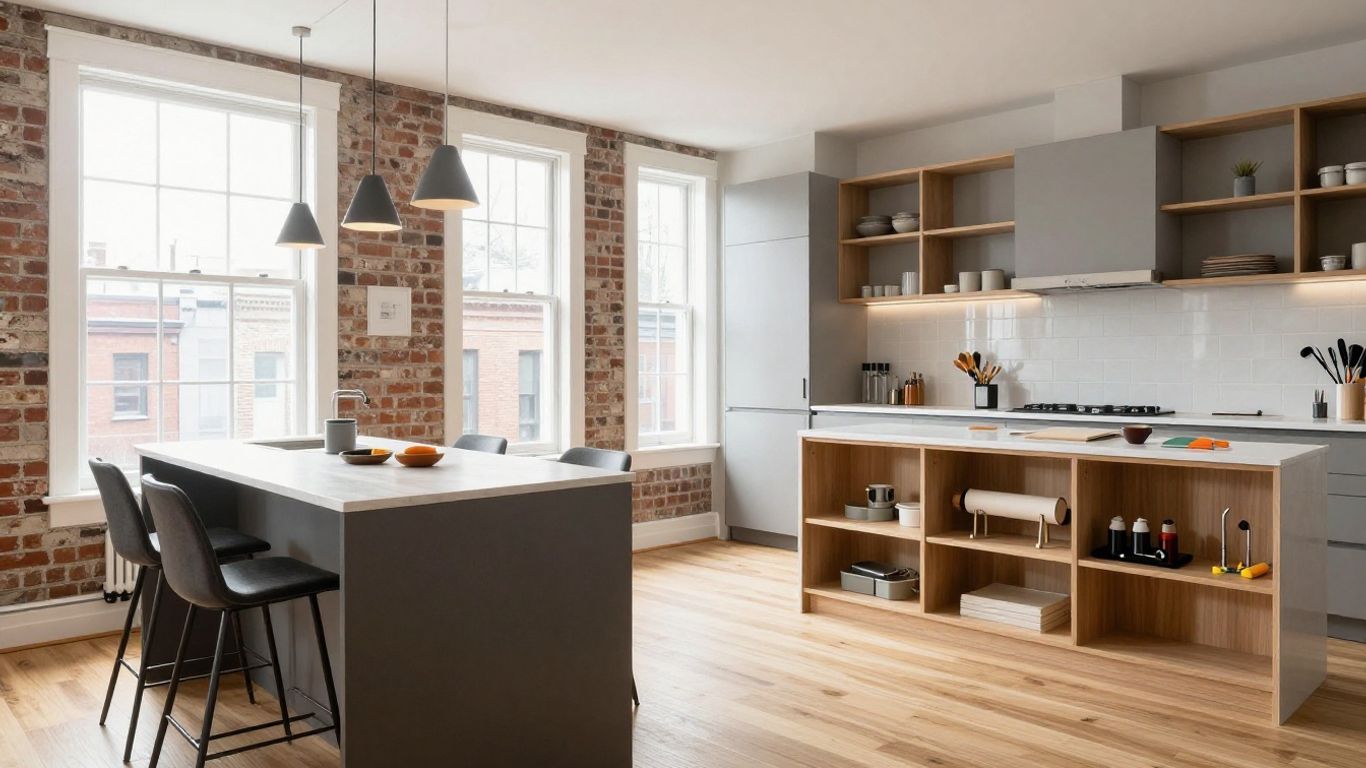
Renovating an apartment in Montreal comes with a different set of challenges than renovating a detached house. Between older building stock, condo syndicate rules, and the city’s famous July moving season, a project that looks simple on paper can get complicated fast if you don’t plan around these local realities first. Whether you’re updating a kitchen in a Plateau walk-up or gutting a bathroom in a Griffintown condo, here’s what to think through before you pick up a hammer.
What Makes Apartment Renovations in Montreal Unique
Montreal’s housing stock is older than most Canadian cities. Many apartments sit inside converted duplexes, triplexes, or pre-war walk-ups, which means you’re often dealing with plaster walls instead of drywall, original wood flooring that may need to be preserved rather than replaced, and plumbing or electrical systems that were never designed for modern appliances.
If you own a condo, you’re also working within a syndicate (the Quebec equivalent of a condo board), which typically has its own rules about what can be changed, when work can happen, and how it needs to be documented. Renters face a similar hurdle: most leases require written landlord approval before any renovation work begins, even for something as minor as swapping a light fixture.
Shared walls and plumbing stacks are another factor unique to multi-unit buildings. A bathroom renovation one floor up can affect water pressure or drainage for the unit below, so any plumbing work usually needs to be coordinated with neighbours, not just the city.
Permits and Approvals You Need to Know About
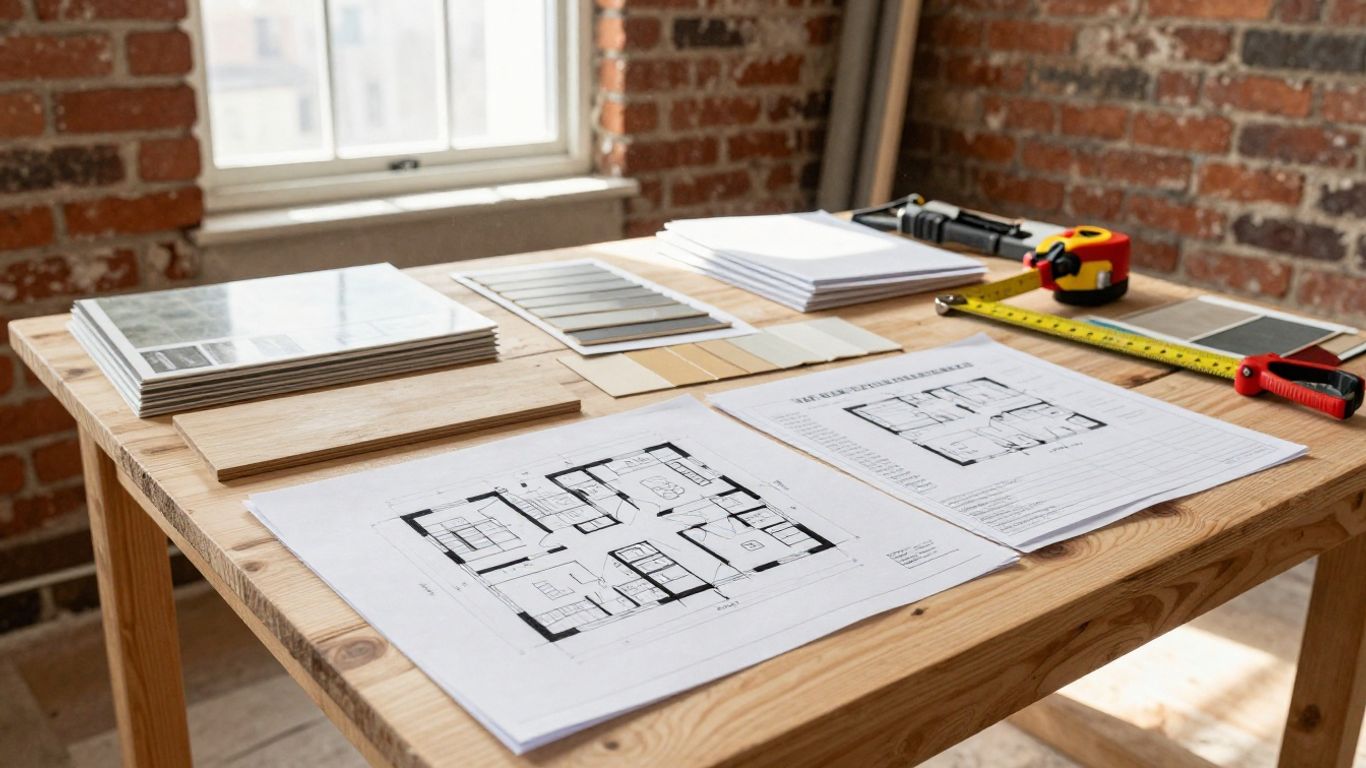
Not every renovation needs a permit, but more projects require one than most homeowners expect. In Montreal, you’ll generally need a permit for:
- Structural changes, including removing or altering walls
- Electrical work beyond basic fixture swaps
- Plumbing changes, especially anything touching shared stacks
- Changes to a building’s exterior appearance, including balconies and windows
Permit requirements are handled at the borough (arrondissement) level, and each of Montreal’s 19 boroughs has its own process and timeline. A kitchen reno in Ville-Marie may move through approvals differently than the same project in Rosemont–La Petite-Patrie, so it’s worth checking with your specific borough office early, not after your contractor is already scheduled.
If you own a condo, plan for a second layer of approval. Syndicates typically require a written request describing the scope of work, sometimes with drawings, before they’ll sign off — and that process can take several weeks. Building this into your timeline up front avoids a lot of frustration later.
Setting a Realistic Budget
Renovation costs in Montreal vary widely depending on the scope, the age of the building, and the finishes you choose, but a few patterns hold true across most apartment projects:
- Kitchens tend to be the most expensive room per square foot, largely because of cabinetry, countertops, and appliance costs.
- Bathrooms are smaller but can carry surprise costs if plumbing needs to be rerouted or waterproofing has to be redone.
- Flooring costs shift a lot depending on whether you’re refinishing existing hardwood or installing something new.
Older buildings also come with cost risks that newer construction doesn’t. Asbestos in older plaster, flooring adhesive, or pipe insulation is common in pre-1990s Montreal buildings and may require testing and remediation before other work can start. Knob-and-tube or older aluminum wiring is another frequent surprise once walls are opened up. A good rule of thumb is to set aside 10–15% of your total budget as a contingency for exactly these kinds of discoveries, especially if your building was constructed before 1970.
Planning Around Montreal’s Moving Day and Building Access
Montreal’s July 1 moving day is a citywide event, and it has ripple effects on renovation scheduling that don’t exist in most other cities. Contractors, movers, and building superintendents are all stretched thin in the weeks around it, so if your project timeline overlaps with early July, expect longer lead times for both quotes and actual work.
Building access is worth planning around too. Many older Montreal walk-ups don’t have elevators, which affects how materials get delivered and how long certain jobs take. Buildings with elevators often restrict their use for construction materials to certain hours, and some require a certificate of insurance from your contractor before they’ll allow any deliveries at all. It’s worth confirming these logistics with your building management or syndicate before your project start date is locked in, not after materials are already on order.
Choosing the Right Contractor
In Quebec, most renovation work legally requires a licensed contractor through the Régie du bâtiment du Québec (RBQ). Before hiring anyone, ask for their RBQ license number and confirm it’s active and covers the type of work you need — a license can be valid for general contracting but not cover certain electrical or plumbing specialties.
Experience with older buildings matters more in Montreal than in newer markets. A contractor who’s mainly worked on new-construction suburban homes may not know how to handle plaster walls, original mouldings, or century-old plumbing without causing damage. Ask specifically about their experience with buildings similar to yours, and request references from apartment or condo projects, not just houses.
Getting at least three quotes is standard practice, but pay attention to what’s included in each one, not just the bottom-line number. A lower quote that excludes permit handling, debris removal, or a fixed-price guarantee can end up costing more once change orders start coming in.
Common Renovation Projects for Montreal Apartments
Some project types come up again and again in Montreal apartments specifically because of how the buildings are laid out:
Kitchen renovations in narrow, galley-style layouts. Many older apartments have long, narrow kitchens rather than open floor plans, which means smart storage and layout planning matter more than square footage.
Bathroom updates working around original plumbing. Waterproofing, drain relocation, and working around cast-iron stacks are common challenges in bathrooms that haven’t been touched since the building was built.
Open-concept conversions in duplexes and triplexes. Removing a non-structural wall between a kitchen and living room is one of the most requested projects in Montreal’s older housing stock, though it always needs confirmation that the wall isn’t load-bearing before work starts.
Tips to Keep Your Project on Track
A few habits make the difference between a smooth renovation and a stressful one:
- Get a clear, written scope of work and a fixed quote before starting, so both you and your contractor are working from the same expectations.
- Set a regular check-in schedule with your contractor, even if it’s just a quick weekly update, so small issues get caught early.
- Build permit and approval delays into your timeline from day one rather than treating them as an afterthought — this is the single most common reason Montreal renovation projects run late.
Final Thoughts
A successful apartment renovation in Montreal comes down to planning for the things that are specific to this city: older buildings, borough-by-borough permit rules, condo syndicate approvals, and the scheduling crunch around moving season. Get those pieces lined up early, work with a licensed contractor who knows older buildings, and build a realistic budget with room for surprises, and your project is far more likely to stay on time and on budget.
If you’re planning a kitchen, bathroom, or full apartment renovation in Montreal, reach out for a free consultation and quote — we’ll walk you through permits, timelines, and costs specific to your building before any work begins.
FAQs About Montreal Apartment Renovations
Do I need a permit to renovate my apartment in Montreal?
It depends on the scope of work. Cosmetic updates like painting, new flooring over an existing subfloor, or swapping fixtures usually don’t require a permit. Structural changes, electrical work beyond basic fixture replacement, and plumbing changes almost always do. Since permit rules are set at the borough level, it’s best to confirm with your specific arrondissement office before work starts.
How long does it take to get condo syndicate approval for a renovation?
This varies by building, but plan for at least a few weeks. Syndicates typically require a written request outlining the scope of work, and some ask for drawings or contractor documentation before approving. Submitting your request as early as possible, ideally before you finalize your contractor’s start date, helps avoid delays.
How much does an apartment renovation cost in Montreal?
Costs depend heavily on the scope, the age of the building, and the finishes chosen. Kitchens are typically the most expensive room due to cabinetry and appliances, while bathroom costs can rise quickly if plumbing needs rerouting. Because older Montreal buildings often have hidden issues like outdated wiring or asbestos in older materials, it’s wise to budget an extra 10–15% as a contingency.
Can I renovate my apartment if I’m renting?
Most leases require written landlord approval before any renovation work, even for minor changes like fixture swaps. Larger projects, such as flooring changes or wall removal, typically need a more detailed agreement outlining what will be restored (or not) at the end of the lease. Always get approval in writing before work begins.
Why is it harder to schedule a renovation around July 1st in Montreal?
July 1st is Montreal’s citywide moving day, and the weeks surrounding it are the busiest time of year for movers, building staff, and many contractors. If your renovation timeline overlaps with this period, expect longer wait times for quotes and scheduling. Planning your project outside this window, or booking well in advance, helps avoid delays.
How do I know if a contractor is properly licensed in Quebec?
Ask for their RBQ (Régie du bâtiment du Québec) license number and confirm it’s active and covers the specific type of work you need — a license can be valid for general contracting without covering specialized electrical or plumbing work. You can verify license status directly through the RBQ’s website.
What’s the most common issue in older Montreal apartment renovations?
Outdated infrastructure is the most frequent surprise, including knob-and-tube or aluminum wiring, aging plumbing stacks, and asbestos in pre-1990s plaster, flooring adhesive, or pipe insulation. These issues are often only discovered once walls are opened up, which is why a contingency budget matters more in older buildings than in new construction.