
Key Takeaways
- Quebec’s freeze-thaw cycles should drive every material decision you make outdoors.
- Staying on top of deck and siding maintenance now prevents expensive structural repairs later.
- A licensed contractor brings safety and code compliance that’s hard to replicate with DIY work.
- Well-placed exterior lighting improves both curb appeal and nighttime security.
- Budgeting and scheduling early keeps your renovation from stalling mid-season.
Outdoor Renovation Ideas Worth Considering for Your Quebec Home
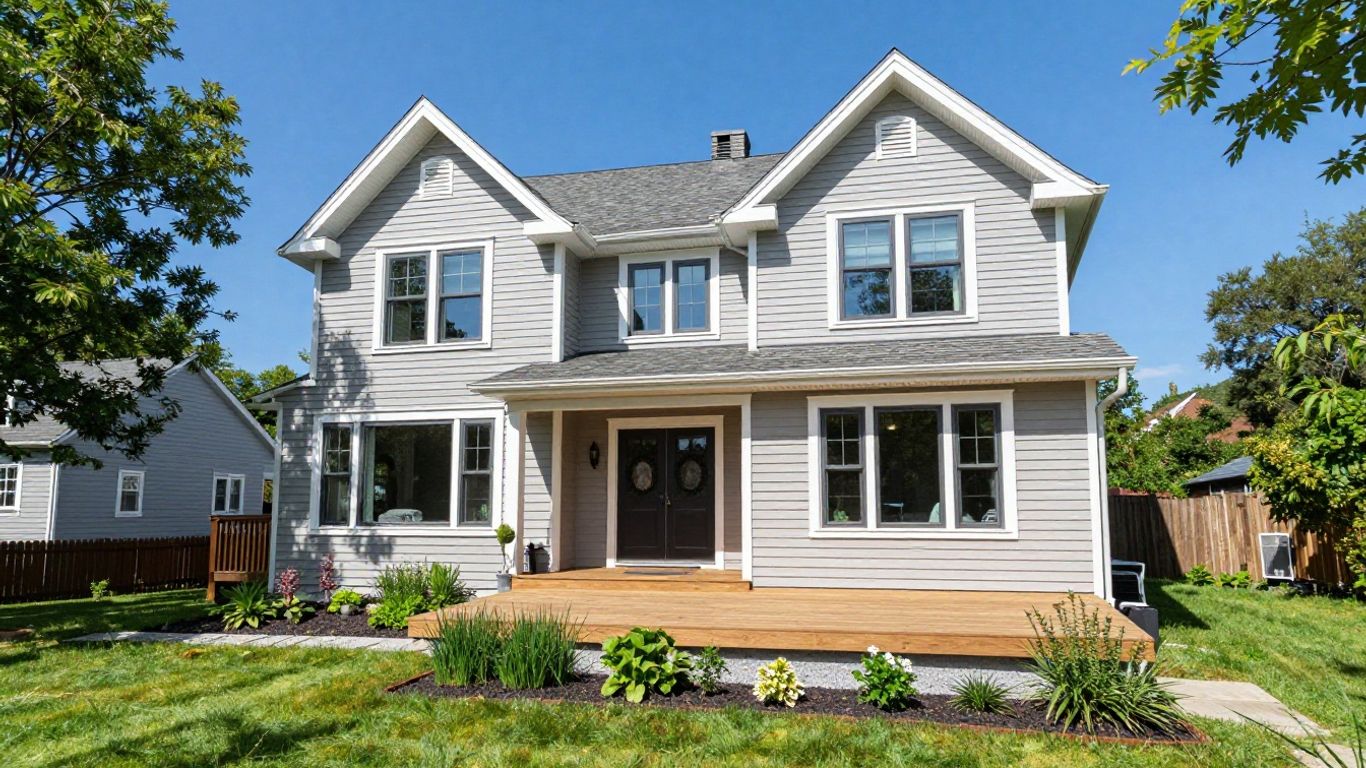
Outdoor renovation ideas aren’t just about a fresh look — in Quebec, they’re about survival. Harsh winters and unpredictable spring thaws are hard on exterior materials, which makes proactive upgrades more of a necessity than a luxury. Renovating your exterior protects your home’s structural integrity while improving insulation against everything the season throws at it.
There’s a practical upside too: a well-planned deck, patio, or outdoor living area effectively becomes extra square footage the moment the weather turns warm. It gives your family a second living room outdoors and, done well, it’s the kind of upgrade that pays for itself when you eventually sell. If you’re weighing a bigger structural change to your layout, working with a licensed general contractor early on ensures your plans meet regional safety standards from the start — which saves you from costly redesigns later. Getting the functional side right today means fewer emergency repairs tomorrow, and materials chosen specifically for our climate hold up to whatever the weather brings. Ready to bring these ideas to life? Our team specializes in deck renovations montreal & Laval homeowners rely on to transform outdated outdoor spaces into functional living areas.
Deck Renovation Ideas: Enhancing Your Outdoor Living Space
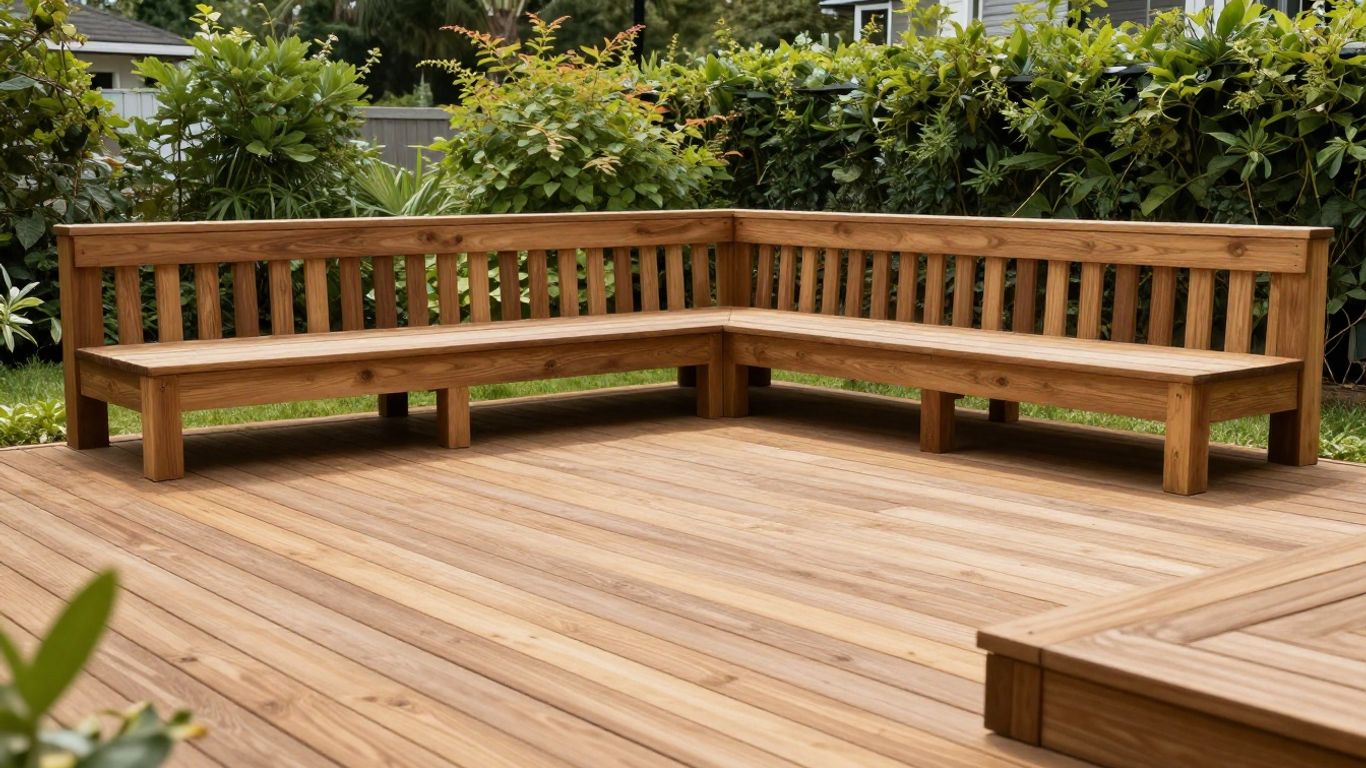
Getting your deck layout right matters more than it might seem. It needs to fit your home’s architecture while leaving enough room to actually live in — seating, dining, and traffic flow all need to work together. Getting professional input here helps you sidestep the layout mistakes that lead to early wear and tear.
Deck Materials: Durability and Aesthetics
Every material choice comes down to balancing upfront cost against ongoing upkeep. Natural wood gives you that classic look but needs regular staining to hold up against moisture. Composite and vinyl cost more initially but resist rot far better over time.
| Material | Maintenance | Lifespan | Aesthetic |
|---|---|---|---|
| Cedar | High | 15 years | Classic |
| Composite | Low | 25+ years | Modern |
| Tropical Hardwood | Moderate | 20 years | Premium |
Choosing the right material is what keeps your deck functional through every season rather than just the first few. If the technical side of installation feels daunting, an experienced deck builder can handle the layout and construction so the foundation is right the first time — because a solid base is really what determines how long the whole structure lasts.
Deck Design Trends for Quebec Climates
Tiered deck structures are gaining popularity for a practical reason: they manage drainage far better during heavy spring rains. Built-in heat lamps or a fire pit extend usability well into the cooler autumn evenings, and blending your hardscaping with the surrounding landscaping helps the whole structure feel like it was always meant to be there.
Siding Upgrades: Protecting and Beautifying Your Home’s Exterior
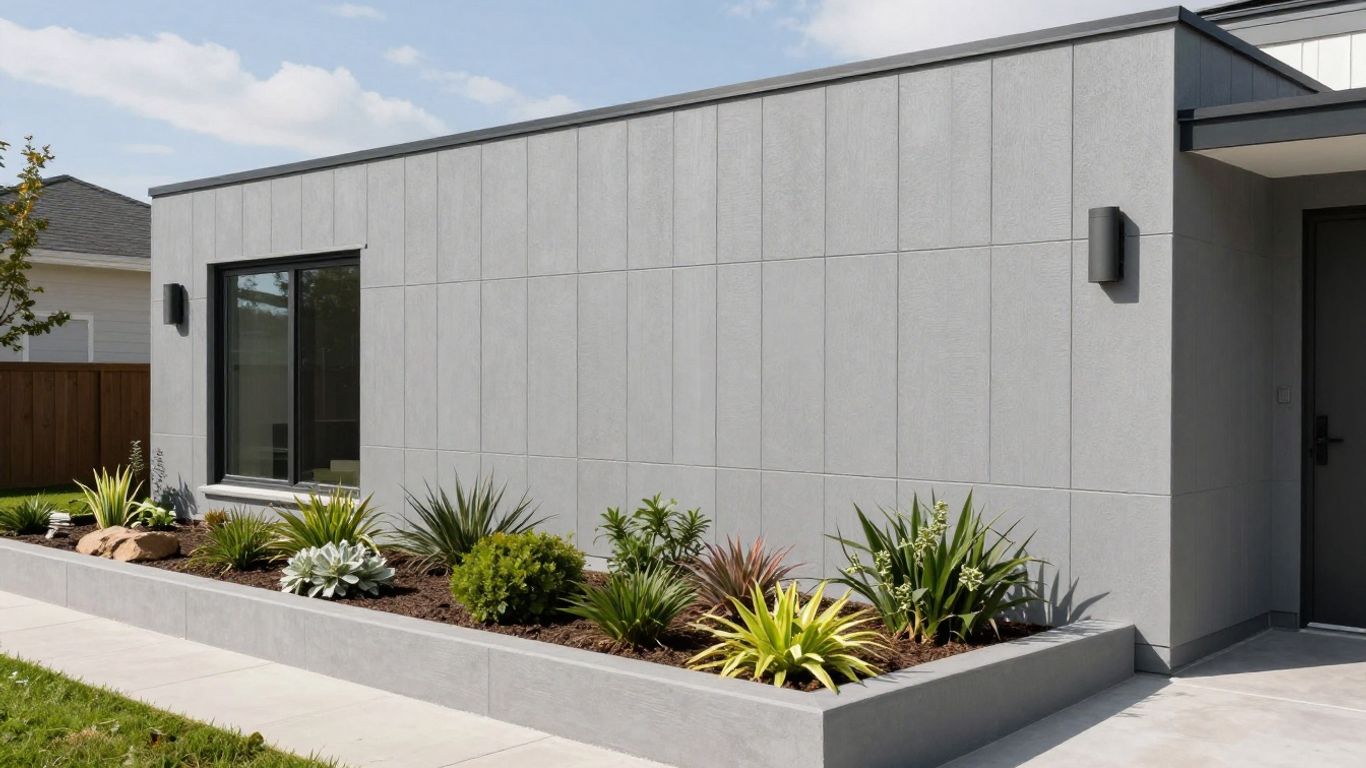
Old or damaged siding isn’t just a cosmetic issue — it exposes your insulation and framing to moisture that can quietly cause serious damage. Upgrading your exterior cladding is one of the more effective ways to boost thermal efficiency and curb appeal in a single project. An experienced siding contractor can guide material selection based on what actually holds up to heavy snow and ice, rather than what just looks good on the shelf.
This is from the blog post ‘Outdoor Renovation Ideas: Deck, Siding & Exterior Upgrades for Quebec Homes,’ which has a dedicated section titled ‘Siding Upgrades: Protecting and Beautifying Your Home’s Exterior,’ covering material choices (fiber cement, engineered wood), ventilation, and popular styles/colors for Quebec’s climate
Choosing the Right Siding for Quebec’s Weather
Fiber cement and engineered wood have become popular choices thanks to how well they handle our climate’s swings. Materials expand and contract with temperature changes, which is exactly why a professional assessment matters before you commit. Proper ventilation behind the siding layer is just as important — it lets moisture escape instead of getting trapped, which is what prevents mold and rot down the line.
Popular Siding Styles and Colors
Dark tones give a sleek, modern finish, while lighter earth tones help a home blend naturally into wooded surroundings. Vertical board-and-batten styles bring rustic charm that’s currently trending across both rural and suburban properties. Following these trends helps your exterior feel current without sacrificing a timeless look.
Beyond Decks and Siding: Other Exterior Upgrades
Window and Door Replacements
Updating your entry points does real work for energy efficiency. Old, drafty windows are a major source of winter heat loss, and modern multi-pane windows not only insulate better but often transform how bright and open your interior rooms feel.
Roofing and Gutter Systems
Your roof takes the brunt of heavy snowfall every winter, so keeping eaves clear and drainage properly sized for spring runoff is essential. Installing gutter guards is a simple addition that keeps falling debris from clogging your system when you need it working most.
Landscaping and Outdoor Lighting
Good lighting should do double duty — functional and attractive. Low-voltage systems are a smart way to highlight architectural details or light pathways for safer nighttime walking. A few additions worth considering:
- Solar-powered path lights for easy, low-effort installation
- Motion-activated floodlights for darker corners of the property
- Accent lighting to highlight garden trees or stone features
Planning your lighting alongside your broader landscaping ensures every element works together instead of feeling bolted on — the difference between a renovation that reads as polished and one that feels piecemeal.
Planning Your Outdoor Renovation Project in Quebec
Any major outdoor project starts with understanding your local municipal bylaws and zoning restrictions. Before demolition begins, check with your local planning office to confirm exactly what permits your address requires — falling behind on this paperwork is one of the most common reasons renovation timelines slip.
Budget for surprises. Hidden costs tend to surface once old siding or deck boards come off, so setting aside at least 15% of your initial quote for unexpected repairs is a smart buffer. Working with an experienced local team keeps these estimates realistic from the start rather than guesswork.
Timing matters too, especially around our freeze-thaw cycle. Most exterior work needs to wrap before permanent frost sets in, which makes spring and early summer the prime window to get on a contractor’s schedule. Planning ahead and setting realistic expectations is what keeps the whole project moving smoothly.
Conclusion
Taking on your home’s exterior renovation protects your property’s value, improves your day-to-day quality of life, and prepares your home for everything Quebec’s climate has in store. With the right materials and the right team behind you, your home becomes a resilient, inviting space you’re proud of every time you pull into the driveway. If you’re ready to talk through deck, siding, or broader exterior plans, SKLZ Construction’s renovation services cover the full scope from design through final walkthrough.
Frequently Asked Questions
What is the best season to start exterior renovations?
Late spring or early summer is generally ideal — the ground has thawed enough to give materials like concrete a stable foundation to set before cold weather returns.
How long do most siding upgrades typically last?
Depending on the material, quality siding can last anywhere from 25 to 50 years when it’s installed correctly and gets periodic cleaning and inspection.
Can I perform my own exterior renovations?
Smaller tasks like painting or laying a simple garden path are approachable for most homeowners. Structural work involving decks, siding, or roofing should go to professionals to avoid safety risks.
Does adding a deck always increase home value?
Most homeowners see a solid return, particularly when the deck is scaled appropriately to the house and finished with durable, high-quality materials.
How often should I inspect my outdoor structures?
A visual check each spring and autumn is a good habit — it catches small issues like loose boards or worn seals before they turn into bigger, costlier repairs.
Are there specific materials best for avoiding rot?
Composite, PVC, and fiber cement generally outperform natural wood when it comes to resisting moisture and rot, making them strong choices for our humidity and rainfall levels.
What are the main benefits of low-voltage landscape lighting?
It’s safer for DIY installation, energy-efficient, and versatile enough to guide visitors and highlight garden features without the need for high-voltage wiring.