
Key Takeaways
- A countertop replacement is one of the fastest ways to change how a kitchen feels, without the cost or disruption of a full renovation.
- The right material depends on your budget, how the kitchen actually gets used, and how much maintenance you’re willing to keep up with.
- Pricing varies widely by material, and labour, edge profiles, and plumbing work all factor into the final number.
- Installation typically takes only a day or two once your custom pieces are fabricated and delivered.
- Working with an experienced, certified contractor is what keeps measurements, cutouts, and timelines from turning into costly surprises.
Why Consider a Countertop Replacement?
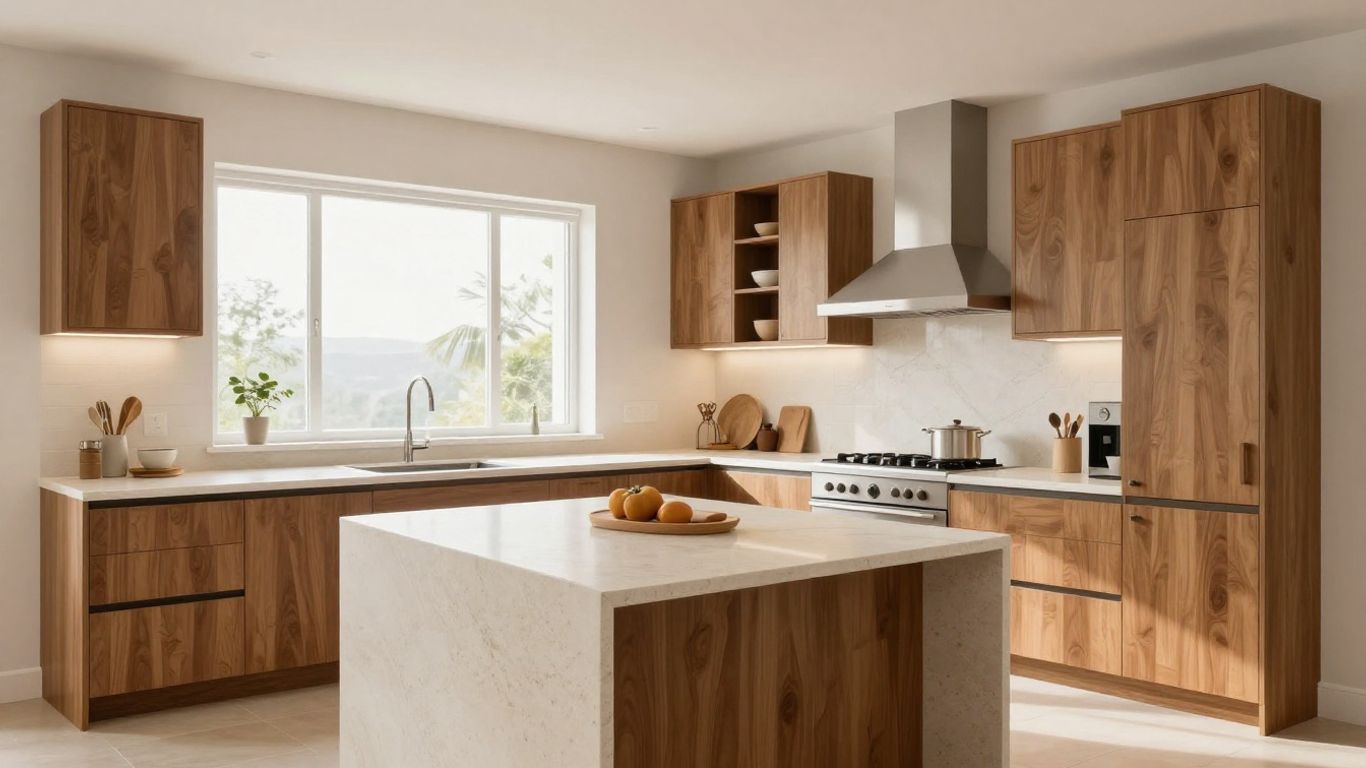
Most kitchen refreshes start with the same realization: the counters are stained, chipped, or simply out of step with the rest of the room. A countertop replacement is often the single change that makes the biggest visual difference, since the counter ties your cabinets, backsplash, and flooring together as one cohesive space.
A common assumption is that new countertops mean tearing the whole kitchen apart. In most cases, that’s not true. As long as your existing cabinets are structurally sound, you can install new counters without touching them, which keeps the project’s footprint small and lets more of the budget go toward better material rather than unnecessary demolition.
Ultimately, it comes down to balance: how much visual impact and long-term durability you want versus what you’re prepared to spend. For a kitchen that sees daily cooking and gathering, even a modest upgrade in material quality changes how the whole room feels, and it often sets the tone for future updates down the line.
Choosing the Best Countertop Material
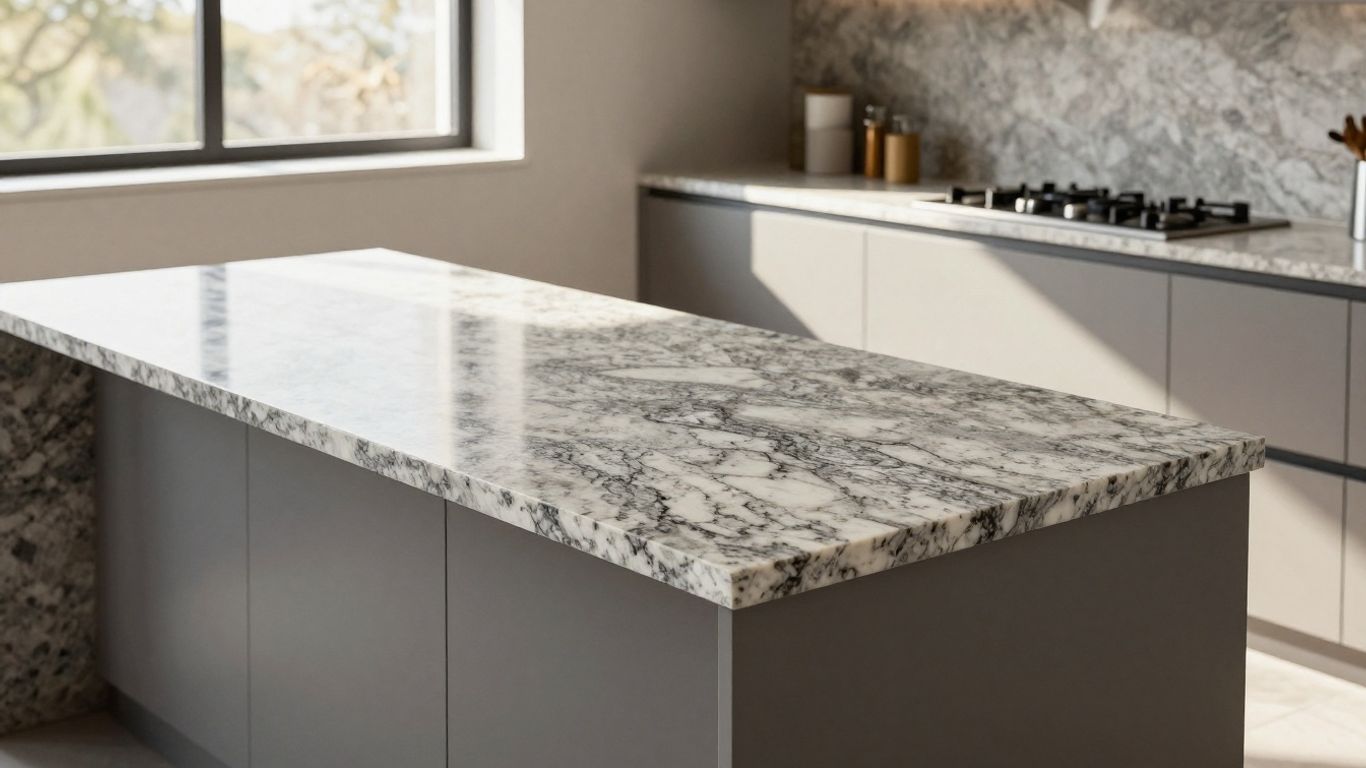
There’s no single “best” material, only the best fit for your kitchen’s use, style, and budget. Here’s how the most common options compare.
Granite: Durability and Natural Beauty
Granite has stayed popular for a reason. As a natural stone, every slab has unique veining, so no two kitchens end up looking identical. It holds up well against heat and resists scratching, which makes it a solid choice for busy households where heavy cookware sees regular use.
Quartz: Low-Maintenance and Consistent
Quartz is engineered rather than quarried, which gives it a non-porous surface that resists staining from spills and moisture without needing a sealant. Because it’s manufactured, the colour and pattern stay uniform across an entire slab, a detail designers appreciate when going for a clean, consistent look. It also comes in a much wider colour range than most natural stones.
Marble: Timeless, But High-Maintenance
Marble brings a classic, bright look that can open up a smaller kitchen visually. It’s softer than granite or quartz, though, and more prone to etching from acidic spills like wine or citrus. Homeowners who choose marble are typically willing to trade some extra care for the look and the patina it develops over time.
Laminate: Budget-Friendly and Practical
Laminate has come a long way from its dated reputation. Modern finishes can mimic natural stone or wood convincingly, at a fraction of the price, making it a strong option for anyone working with a tighter renovation budget who still wants a clean, updated look.
Butcher Block: Warmth and Character
Wood countertops soften the harder lines common in modern kitchens and work well in prep-heavy spaces. Over time, the surface develops colour variation from daily use, giving the kitchen a lived-in, personal character that engineered materials can’t replicate.
Understanding Countertop Replacement Costs
Budgeting starts with knowing what actually makes up the final invoice, material and labour are only part of it. Square footage, edge profile complexity, old surface removal, and any plumbing adjustments for the sink all factor into the total.
| Material | Estimated Cost Per Sq. Ft. | Maintenance Level |
|---|---|---|
| Laminate | $30 – $60 | Low |
| Granite | $60 – $120 | Moderate |
| Quartz | $70 – $150 | Low to Moderate |
These ranges are a starting point, not a quote. The only way to get an accurate number for your kitchen is to have your dimensions, layout, and material choice reviewed directly by an experienced contractor.
What to Expect During Installation
Once a material is chosen, the process generally follows a predictable sequence.
Measurement. Precise measurements are taken to make sure the new slab fits properly against your existing backsplash and cabinetry, especially important in older homes where walls and cabinets aren’t always perfectly square.
Preparation. The old countertop is removed and the sink plumbing disconnected. This stage produces some dust and short-term inconvenience, so it’s worth setting up a temporary prep space elsewhere in the house while the kitchen is out of commission.
Installation. Once your custom pieces are fabricated and delivered, most installations are completed within a day or two. The new slabs are set, secured, and, depending on the material, sealed or finished for daily contact with water and food.
Finishing. Plumbing is reconnected, the workspace is cleaned, and you’re left with a finished kitchen, without weeks of ongoing disruption.
Tips for a Smooth Countertop Replacement
A few details make the difference between a project that goes smoothly and one that runs into delays.
- Plan your sink and faucet early. Coordinating the countertop installer with any plumbing work upfront prevents cutout mismatches that can push back your timeline.
- Clear the workspace before installers arrive. Removing small appliances and clearing lower cabinets gives the crew clean access to the support structure beneath the counter, reducing the risk of dings to cabinet doors or paint.
- Ask about maintenance before the crew leaves. Every material, natural or engineered, has its own care routine. Getting sealant schedules or cleaning guidance directly from your installer protects the investment for years to come.
Why Homeowners Choose SKLZ Construction
SKLZ Construction was founded by Sebastien Lalonde, who has worked in residential renovation since 2013, building the company through a network of skilled, collaborative professionals. What sets the team apart is the ability to manage the unexpected challenges that inevitably come up mid-project, without letting them derail your timeline or budget.
Every project is carried out by a certified, skilled crew in full compliance with construction standards and the National Building Code, backed by partnerships with recognized suppliers like Milwaukee, Schluter Systems, Kaycan, and Home Hardware. Beyond countertops, SKLZ Construction handles the full scope of residential renovation work, kitchens, bathrooms, basements, decks, siding, and general contracting, so a countertop upgrade can be scaled into a larger renovation if your plans grow.
Based in Laval and serving the greater Montreal area, including Blainville, Boisbriand, Terrebonne, Rosemère, and Saint-Eustache, SKLZ Construction brings the same standard of certified, in-compliance work to every kitchen it touches.
If you’re planning a countertop replacement Montreal homeowners can rely on, SKLZ Construction offers direct guidance on material selection, accurate cost estimates based on your kitchen’s actual dimensions, and a crew that manages the project from measurement through final cleanup.
Conclusion
A countertop replacement is one of the most efficient ways to transform a kitchen without a full renovation, but getting it right depends on choosing a material suited to your lifestyle, understanding what actually drives the cost, and working with a contractor who can install it cleanly and on schedule. Done well, it’s an upgrade that pays off every single day the kitchen gets used.
Frequently Asked Questions
Can I install new countertops over the old ones?
It’s generally best to remove the existing countertop first, both to confirm your cabinets can support the new material’s weight and to check for any hidden structural issues underneath.
How long does a typical countertop installation take?
Fabrication time depends on the material, but once your custom pieces arrive, installation itself usually takes one to two days.
Which material handles heat the best?
Granite is highly heat-resistant and can often tolerate a hot pan directly on the surface, though using a trivet is still the safest habit to protect the finish long-term.
Does quartz need to be sealed like natural stone?
No. Quartz is a non-porous engineered material, so it doesn’t require sealing to resist stains or moisture the way granite or marble does.
How do I protect marble from acidic spills?
Wipe up spills from acidic substances like citrus or vinegar right away, and make sure the surface is sealed according to the manufacturer’s recommended schedule.
Are stone countertops durable enough for a busy kitchen?
Yes. Granite and quartz are both built to handle frequent daily use, which is exactly why they remain the top choices for high-traffic kitchens.
Will I need a new sink with my countertop replacement?
Not necessarily, an existing sink can often be reused, but it needs to be compatible with the new cutout dimensions, so verifying that early in the process avoids delays.